· space brief · 5 min read
Space Brief 3 Sep 2025
Today's Space Brief delves into NASA's lunar nuclear power initiative, a strategic Army data integration project, and a rare SpaceX Falcon booster launch. Also covered are significant advancements in military satellite technology and Navy unmanned surface vehicles.

📄Top Stories
NASA is propelling forward its lunar nuclear power strategy with a new focus on encouraging commercial involvement in space. SpaceX marked a milestone with the rare debut of a Falcon booster during their latest Starlink mission. Meanwhile, Lockheed Martin is set to develop an integrated data layer for the Army’s NGC2 system, highlighting the growing intersection of military initiatives and space technology.
📰Detailed Coverage
NASA’s Next Big Step: Lunar Nuclear Power
NASA is advancing plans to support the development of a nuclear power system on the Moon, emphasizing the role of commercial partners in this innovative venture. This bold step aims to establish a sustainable and reliable power source for future lunar missions, potentially transforming the landscape of lunar exploration.
The initiative focuses on leveraging commercial expertise and resources to accelerate the deployment of nuclear fission technology on the Moon. By fostering industrial collaboration, NASA aims to not only power lunar bases but also pave the way for extended human presence on the lunar surface. This development aligns with technologies tracked by our web app, enhancing both observational capabilities and data acquisition.
Read the full story: SpaceNews
SpaceX Launches Starlink Mission with New Falcon Booster
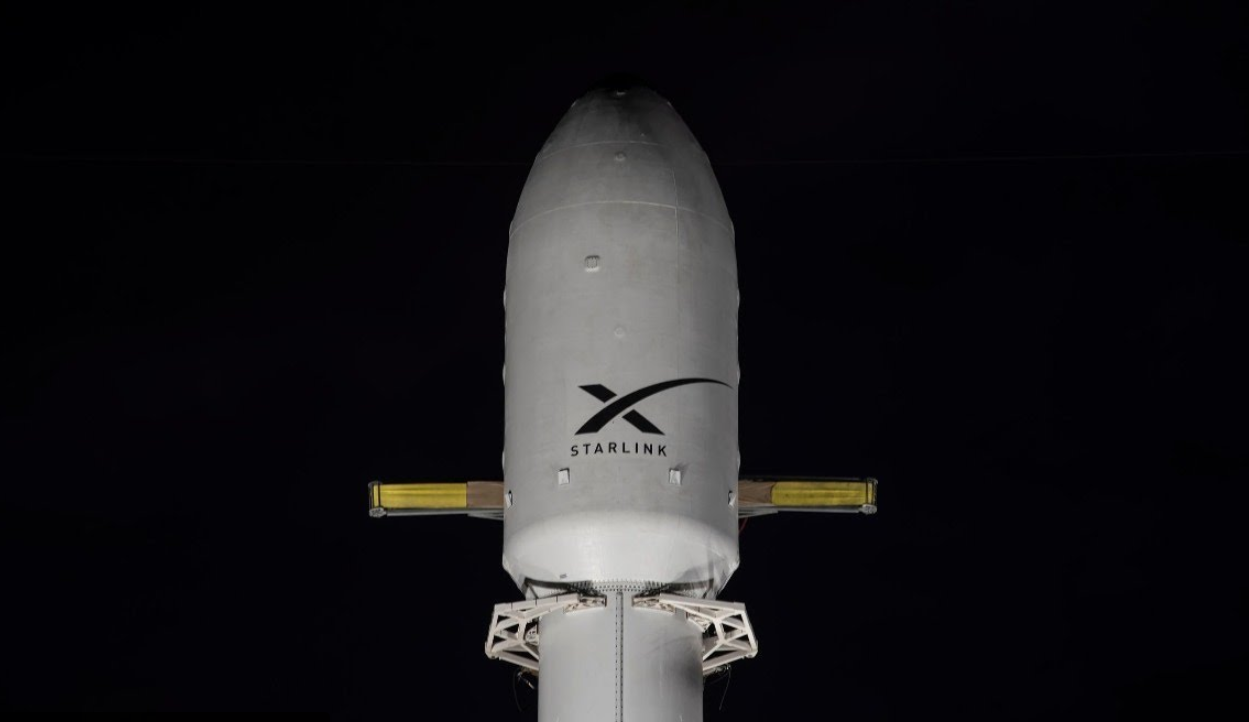
In a rare event, SpaceX’s Starlink mission launched using a new Falcon booster from Vandenberg Space Force Base. This marks only the seventh new booster out of over 100 launches by SpaceX this year, underscoring their commitment to boosting the reliability and efficiency of their launch fleet.
The successful liftoff of the Starlink 17-8 mission reflects SpaceX’s continued innovation in reusable rocket technology, which significantly reduces costs and environmental impact. The mission not only expands global internet coverage but also serves as a testament to the progress in satellite deployment technologies.
Read the full story: Spaceflight Now
Lockheed Martin’s Innovative Data Integration for Army NGC2
Lockheed Martin, in collaboration with various commercial technology companies, has been awarded an OTA to prototype an integrated data layer for the Army’s Next Generation Command and Control (NGC2) system. This project focuses on enhancing data accessibility and efficiency for the 25th Infantry Division.
The integrated data layer seeks to revolutionize how military data is shared and utilized, potentially leading to significant advancements in strategic operations. This initiative highlights the critical role of satellite-driven data systems in modern military applications, a key feature of our satellite tracking platform.
Read the full story: Breaking Defense
Navy’s Call for a Bold Unmanned Surface Vehicle
The U.S. Navy is advocating for a new Unmanned Surface Vehicle (USV) that challenges traditional methodologies and embraces innovative technologies. This development is part of the Modular Attack Surface Craft program, aiming to adapt industry innovations for military use.
Officials have expressed their willingness to take calculated risks to ensure the success of this initiative, which could redefine naval capabilities. The Navy’s push for technological evolution reflects broader trends in military advancements, where the convergence of space and maritime domains becomes increasingly apparent.
Read the full story: Breaking Defense
🛰️Satellite Spotlight
- Satellite Name: ONEWEB-0258
- NORAD ID: 48976
- Launch Date: July 1, 2021
- Mission: This satellite is part of the OneWeb constellation aimed at providing global broadband communication services.
- Orbit: Low Earth Orbit (LEO)
- Operator: OneWeb
- Fun Fact: ONEWEB-0258 is equipped with a Ku-Band payload and plays a crucial role in connecting underserved regions with reliable internet access.
Track this satellite in real-time on our web app: Track ONEWEB-0258
🌌Space Weather
Next 24 Hours
-
Radio Blackouts Probability
- Minor: 55
- Major: 15
- Risk: None
-
Solar Radiation
- Probability: 10
- Risk: None
-
Geomagnetic Storming
- Scale: 1
- Impact: minor
- Activity: Moderate
-
Impact Summary
- No risk of radio blackouts for satellite communication users and ground-based systems.
- No significant risk from solar radiation storms for operators or astronauts.
- Moderate geomagnetic activity may cause some fluctuations in satellite orbits, but impacts should remain minor.
- For the coming days, there is the potential for G1 (Minor) geomagnetic storms due to continued influences from Coronal Mass Ejections (CMEs).
Long Term Forecast
- Impact Summary
- Solar activity expected to remain low, but M-class flares (R1-R2/Minor-Moderate) could impact satellite communication and navigation, particularly through 27 Sep.
- A slight enhancement in the greater than 10 MeV proton flux levels anticipated, especially early September, which may have implications for satellite operations during those timeframes.
- Periods of moderate electron flux are expected, which may affect satellite electronics and increase drag on Low Earth Orbit (LEO) satellites during relevant dates.
- Geomagnetic storms are forecasted to reach G2 (Moderate) and G3 (Strong) levels early in September; this could lead to disruption in high-frequency communications and increased radiation exposure for high-altitude flights.
- Generally quiet conditions are expected in late September, providing a more stable operational environment for satellite users.
🚀Upcoming Space Launches
September 3
- SpaceX Falcon 9:
- Starlink Group 10-22 from Cape Canaveral Space Force Station, FL, USA (11:06 UTC) A batch of 28 satellites for the Starlink mega-constellation - SpaceX’s project for space-based Internet communication system.
September 5
-
China Aerospace Science and Technology Corporation Long March 3C/YZ-1:
- Unknown Payload from Xichang Satellite Launch Center, People’s Republic of China (02:26 UTC)
-
SpaceX Falcon 9:
- Starlink Group 10-57 from Kennedy Space Center, FL, USA (10:56 UTC) A batch of 28 satellites for the Starlink mega-constellation - SpaceX’s project for space-based Internet communication system.
-
Galactic Energy Ceres-1:
- Unknown Payload from Jiuquan Satellite Launch Center, People’s Republic of China (11:28 UTC)
September 6
-
SpaceX Falcon 9:
- Starlink Group 17-9 from Vandenberg Space Force Base, CA, USA (15:42 UTC) A batch of 24 satellites for the Starlink mega-constellation - SpaceX’s project for space-based Internet communication system.
-
China Aerospace Science and Technology Corporation Long March 6A:
- Unknown Payload from Taiyuan Satellite Launch Center, People’s Republic of China (16:26 UTC)
September 8
- SpaceX Falcon 9:
- Nusantara Lima from Cape Canaveral Space Force Station, FL, USA (23:52 UTC) Nusantara Lima is an Indonesian geostationary communications satellite with a capacity of more than 160 Gbps.
September 10
- SpaceX Falcon 9:
- SDA Tranche 1 Transport Layer B from Vandenberg Space Force Base, CA, USA (00:00 UTC) Classified mission launched by the Space Development Agency (SDA) for Tranche 1 Transport Layer.
Note: Launch dates and times are subject to change due to technical or weather considerations.

Maurice Stellarski