

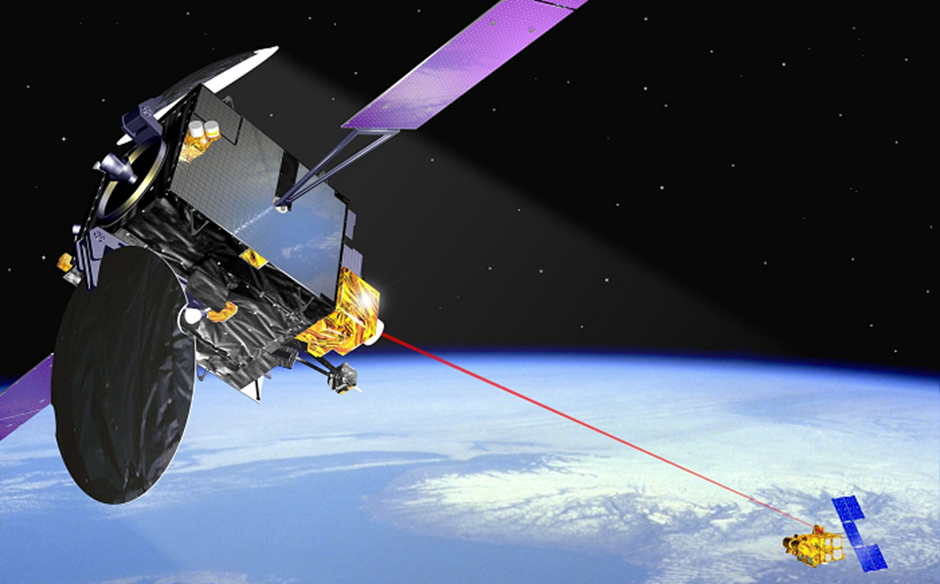
High-Throughput Satellite (HTS)
Spot beams and frequency reuse turned geostationary satellites from one-way TV broadcasters into terabit-per-second pipes - and made consumer satellite broadband actually work.


Spot beams and frequency reuse turned geostationary satellites from one-way TV broadcasters into terabit-per-second pipes - and made consumer satellite broadband actually work.
The laser-based crosslinks that turn Starlink into a mesh, anchor the SDA Transport Layer, and just made their GPS debut on GPS III SV10 - quietly rewriting how data moves through space.
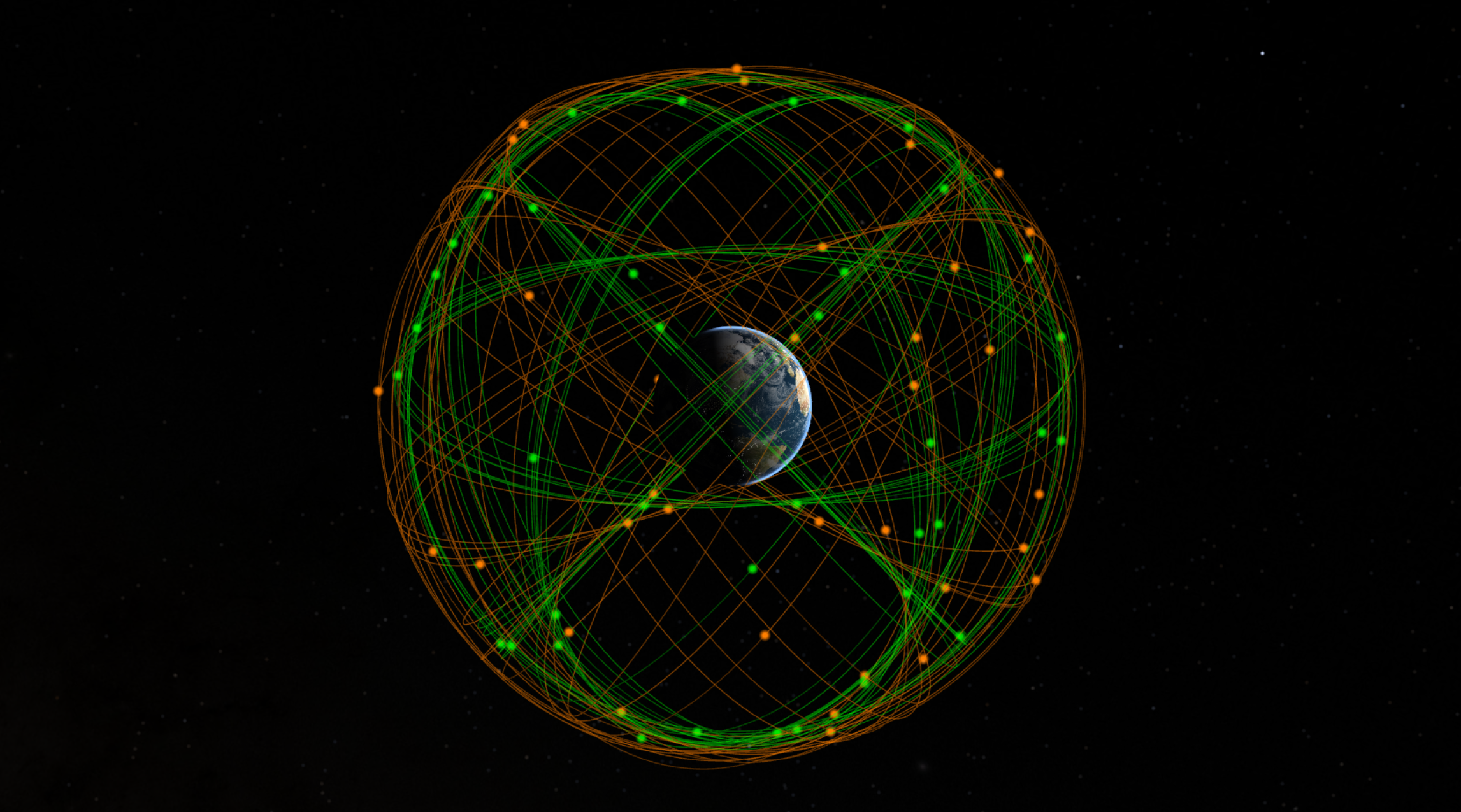
The orbital regime where every GPS, GLONASS, Galileo, and BeiDou satellite quietly does the work of telling the world where it is - and where it is going.
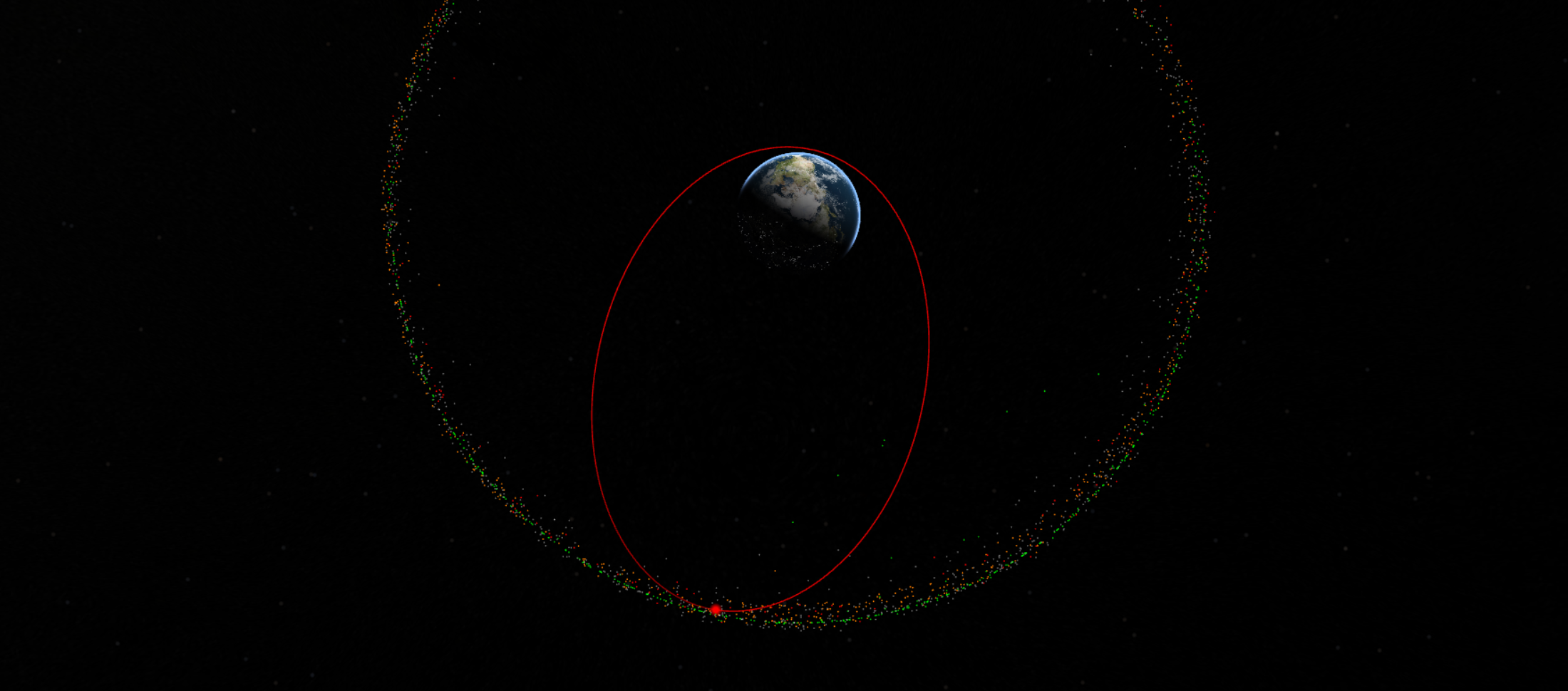
The highly elliptical handoff lane that rockets use to deliver satellites to geostationary altitude, a narrow sliver of orbital space where every communications satellite you've ever seen spends its first few weeks of life.
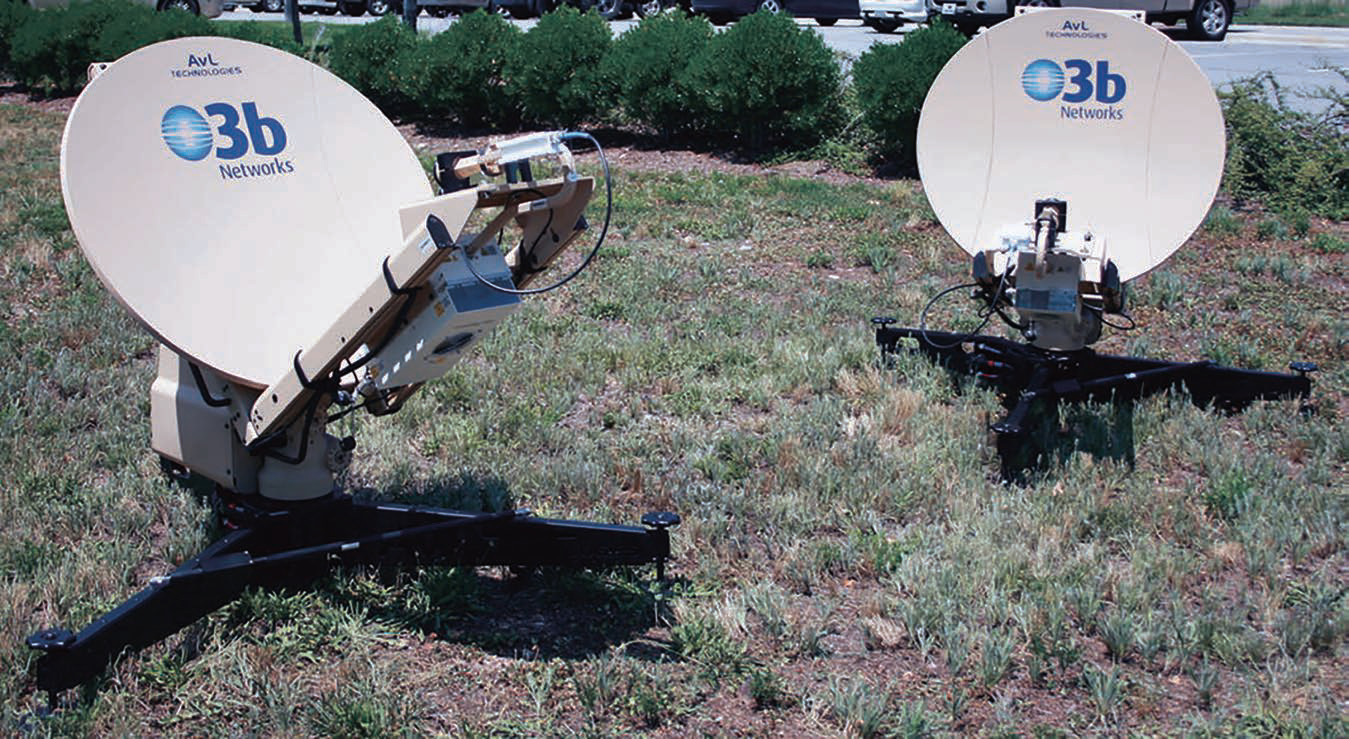
The high-frequency slice of the radio spectrum where modern broadband satellites live - narrow beams, fast data, and the inconvenient habit of being absorbed by rain.
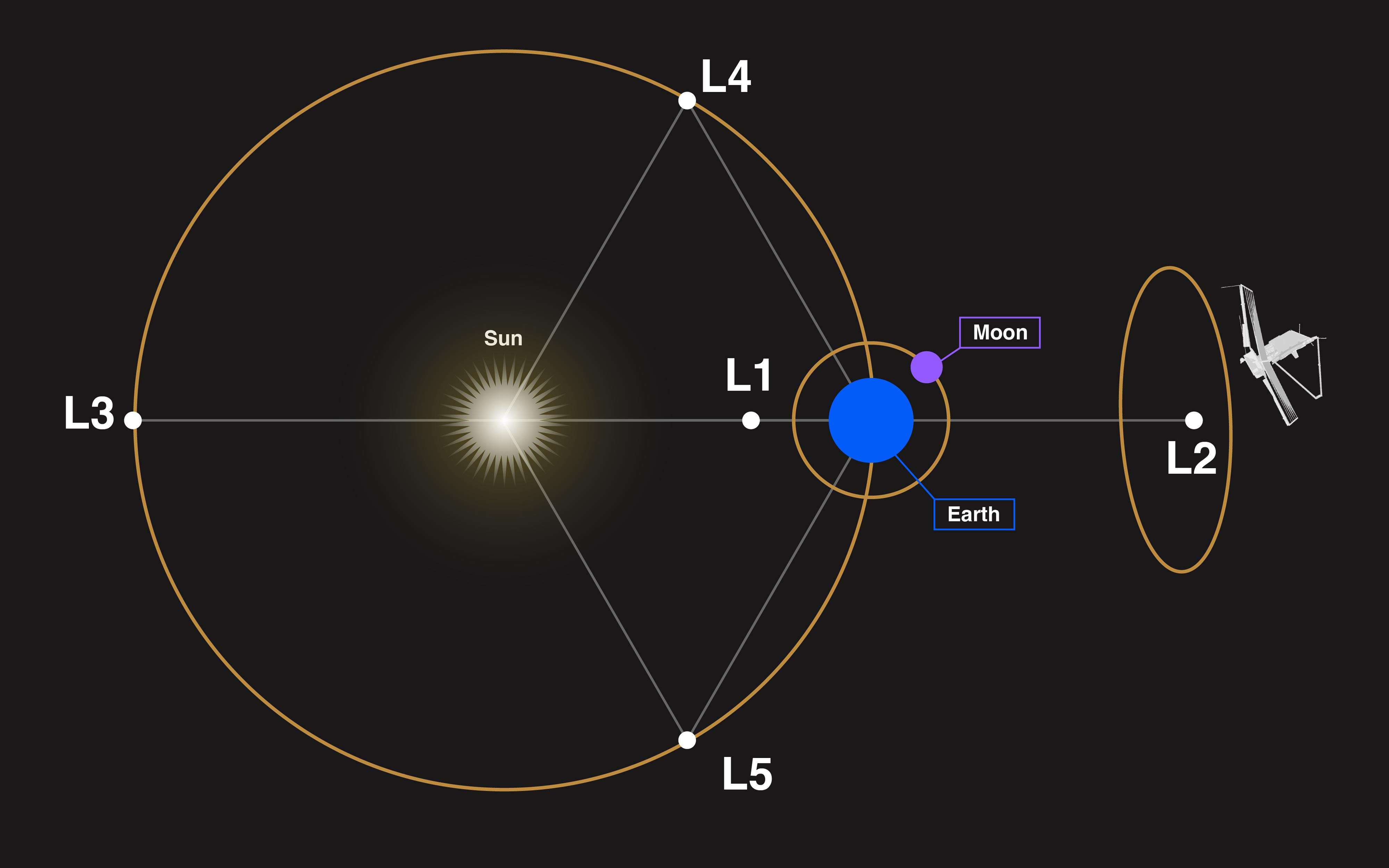
Five spots in the Earth-Sun system where the gravitational tug of two massive bodies and the pull of circular motion all cancel out, creating gravitational parking spaces where spacecraft can sit for decades with almost no fuel.