· space brief · 4 min read
Space Brief 10 Nov 2025
Today's brief covers China's record-breaking launch year, SpaceX's continued Starlink deployments, Blue Origin's launch challenges, and innovations in satellite maneuverability.

📰Top Stories
China Surpasses Annual Launch Record
China has exceeded its previous annual record for orbital launches with successful deployments of the VLEO Chutian and Shiyan technology test satellites. This marks a significant milestone, highlighting China’s increasing abilities in space transport and orbital technology. These launches are essential to China’s continued efforts to enhance its capabilities in very low Earth orbit (VLEO), a region offering unique technical challenges and opportunities.
Read the full story: SpaceNews
Intuitive Machines Expands with Lanteris Acquisition
Intuitive Machines’ acquisition of Lanteris Space Systems is expected to unlock new avenues in defense and lunar exploration. With potential contributions to the Golden Dome project and plans for a crewed lunar lander, the acquisition positions the company strategically for future space endeavors.
Read the full story: SpaceNews
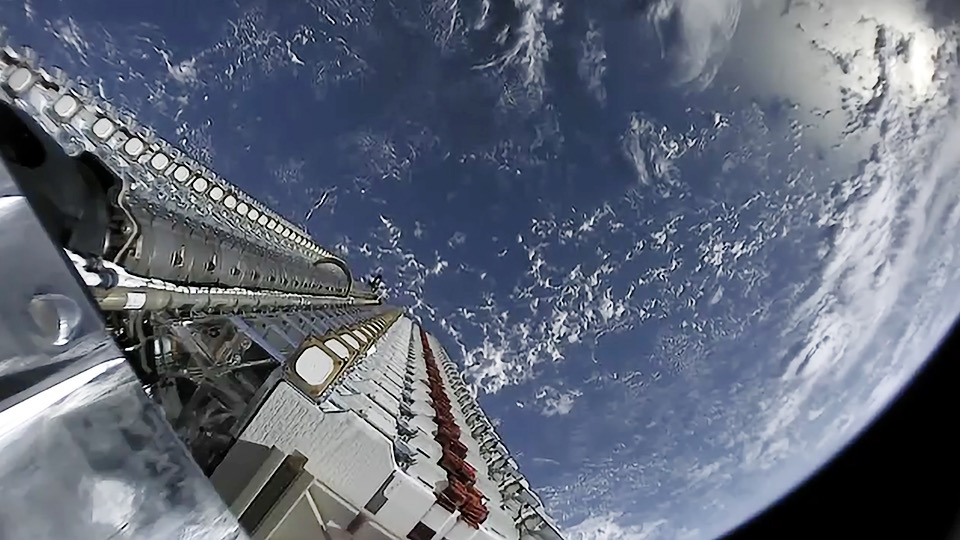
SpaceX Launches More Starlink Satellites
SpaceX successfully launched 29 Starlink satellites from Florida’s Space Coast, continuing its mission to expand global broadband internet coverage. This latest deployment enhances the Starlink constellation’s reach, promising improved connectivity and service reliability worldwide.
Read the full story: Space.com
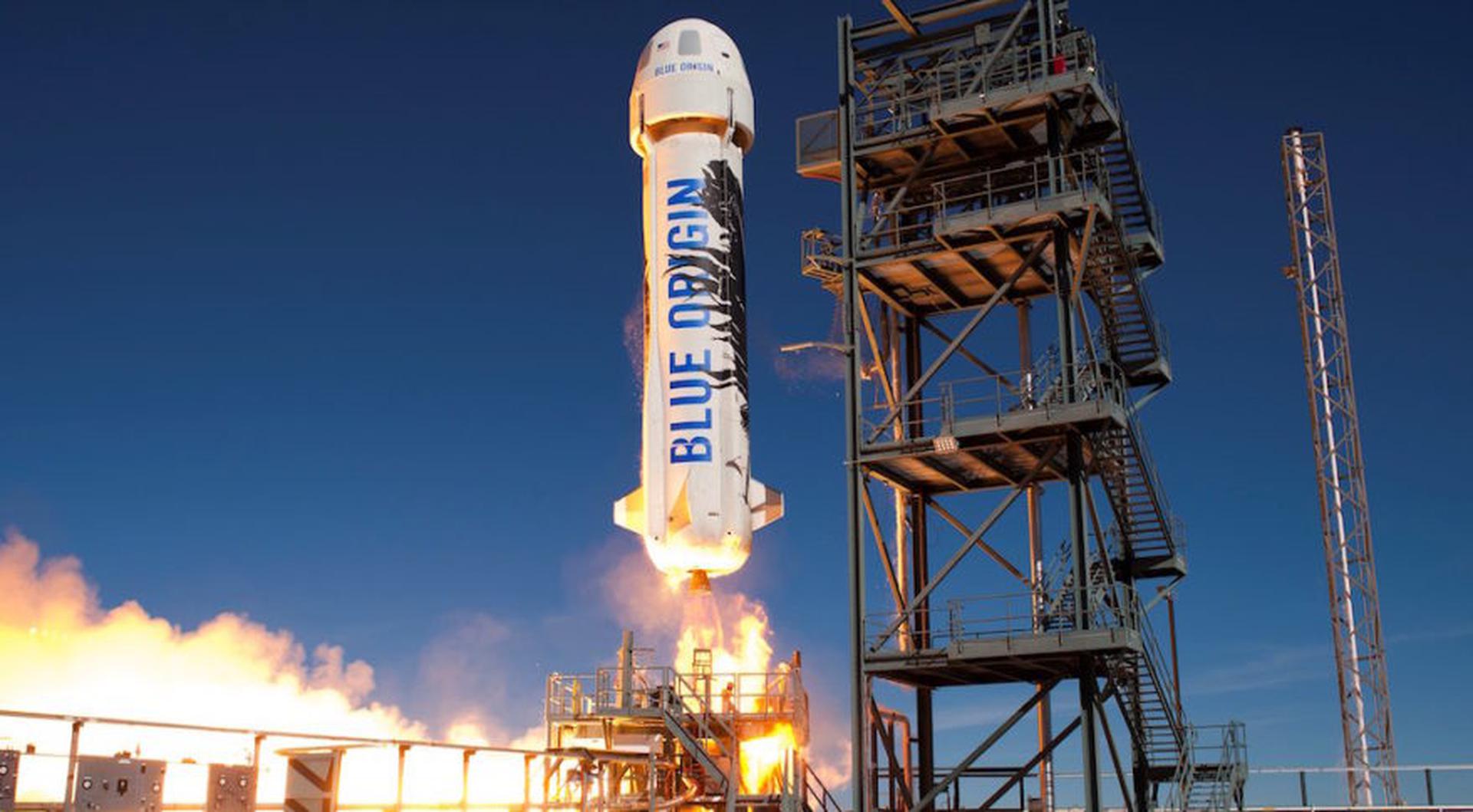
Blue Origin Faces Launch Delays with ESCAPADE
Blue Origin postponed the launch of its New Glenn rocket for the ESCAPADE mission, citing adverse weather conditions and technical issues. This setback highlights the intricate challenges faced during large-scale space operations, especially when coordinating with NASA for critical missions.
Read the full story: SpaceNews
Portal Space Systems Unveils Maneuverable Satellite Bus
Portal Space Systems has announced the development of a highly maneuverable satellite bus, expected to debut in late 2026. This innovation promises enhanced agility for satellite operations, potentially revolutionizing small satellite deployments and in-orbit maneuvering.
Read the full story: SpaceNews
Blue Origin Seeks Exemption from FAA Restrictions
Amid newly imposed FAA restrictions on commercial launches, Blue Origin seeks an exemption for its upcoming New Glenn mission. This request underscores the regulatory complexities encountered by commercial space operators as they navigate the ever-evolving landscape of space governance.
Read the full story: SpaceNews
🛰️Satellite Spotlight
- Satellite Name: TEMPSAT 1
- NORAD ID: 01512
- Launch Date: August 13, 1965
- Mission: Calibration
- Orbit: Low Earth Orbit (LEO)
- Operator: U.S. Naval Research Laboratory (NRL)
- Fun Fact: TEMPSAT 1 was designed as a calibration satellite and has played an important role in improving the accuracy of satellite measurements.
Track this satellite in real-time on our web app: Track TEMPSAT 1
🌌Space Weather
Next 24 Hours
-
Radio Blackouts Probability
- Minor: 70
- Major: 25
- Risk: None
-
Solar Radiation
- Probability: 25
- Risk: None
-
Geomagnetic Storming
- Scale: 1
- Impact: minor
- Activity: Moderate
-
Impact Summary
- No risk of radio blackouts for communication users or satellite operations.
- No risk of solar radiation storms, ensuring safe satellite environments.
- Moderate geomagnetic activity with a likelihood of mild geomagnetic storms (G1) expected, which may affect ground-based radar and navigation systems.
- Anticipated influences from coronal mass ejections (CMEs) might lead to increased drag on low Earth orbit (LEO) satellites over the coming days.
Long Term Forecast
- Forecast indicates moderate solar activity due to the returning Regions 4246 and 4248, enhancing magnetic complexity until at least November 29.
- An isolated proton event may be possible between November 7-12 if solar activity escalates.
- High levels of electron flux are expected at geosynchronous orbit until November 13, which could impact satellite operations.
- Geomagnetic activity is projected to be mostly quiet to active, with additional minor (G1) storm levels likely on specific dates, potentially affecting satellite drag and communications.
🚀Upcoming Space Launches
November 10
- Galactic Energy Ceres-1:
- Unknown Payload from Jiuquan Satellite Launch Center, People’s Republic of China (03:56 UTC) Details TBD.
November 11
- SpaceX Falcon 9:
- Starlink Group 6-87 from Cape Canaveral SFS, FL, USA (03:01 UTC) A batch of 29 satellites for the Starlink mega-constellation - SpaceX’s project for space-based Internet communication system.
November 12
- Blue Origin New Glenn:
- EscaPADE from Cape Canaveral SFS, FL, USA (19:50 UTC) Second flight of Blue Origin’s New Glenn launch vehicle carrying the Escape and Plasma Acceleration and Dynamics Explorers (EscaPADE), a dual-spacecraft mission from University of California, Berkeley to study ion and sputtered escape from Mars.
November 14
- United Launch Alliance Atlas V 551:
- ViaSat-3 F2 (ViaSat-3 EMEA) from Cape Canaveral SFS, FL, USA (03:00 UTC) The ViaSat-3 is a series of three Ka-band satellites expected to deliver more than 1-Terabit per second of network capacity.
November 15
-
SpaceX Falcon 9:
- Starlink Group 6-85 from Cape Canaveral SFS, FL, USA (03:01 UTC) A batch of 28 satellites for the Starlink mega-constellation.
-
SpaceX Falcon 9:
- Starlink Group 6-89 from Kennedy Space Center, FL, USA (03:01 UTC) A batch of 29 satellites for the Starlink mega-constellation.
November 16
- Rocket Lab HASTE:
- VAN from Wallops Flight Facility, Virginia, USA (12:45 UTC) Sub-orbital launch under Rocket Lab’s Hypersonic Accelerator Suborbital Test Electron (HASTE) program, details TBD.
November 17
- SpaceX Falcon 9:
- Sentinel-6B from Vandenberg SFB, CA, USA (05:12 UTC) This mission continues the long-term global sea surface height data record in partnership with NASA, NOAA, ESA, and EUMETSAT.
November 18
- SpaceX Falcon 9:
- Starlink Group 6-94 from Cape Canaveral SFS, FL, USA (23:29 UTC) A batch of 28 satellites for the Starlink mega-constellation.
Note: Launch dates and times are subject to change due to technical or weather considerations.

Maurice Stellarski