Top Stories
SDA hands L3Harris, Sierra Space $1.75B for missile-tracking satellites
The Space Development Agency awarded L3Harris and Sierra Space a combined $1.75 billion contract to build missile warning, tracking, and targeting satellites. The work falls under an “accelerated” schedule tied to the Pentagon’s target of demonstrating the Golden Dome missile defense shield by 2028.
The award adds to SDA’s growing proliferated constellation architecture, which already includes tracking layer satellites from other vendors. Golden Dome’s 2028 demo deadline puts pressure on contractors to deliver hardware faster than SDA’s typical acquisition cycle.
Read the full story: Breaking Defense
Space acquisition, NRO nominees testify before SASC
Erich Hernandez-Baquero, nominated as the Air Force’s top civilian space acquisition official, and Roger Mason, tapped to lead the National Reconnaissance Office, appeared before the Senate Armed Services Committee. Both nominations fill key leadership gaps in space procurement and reconnaissance oversight.
Confirmation of both roles matters for how fast SDA, Space Force, and NRO programs move through contracting and launch approval pipelines over the next several years.
Read the full story: SpaceNews
Senate Democrats stall NDAA over Iran war powers, budget fight
Senate Democrats blocked the National Defense Authorization Act, citing disputes over Iran war authority and the overall budget topline. SASC Ranking Member Jack Reed said resolving the budget number is the “practical step” needed before the bill moves again.
A stalled NDAA delays authorization language covering Space Force manpower growth and SDA program funding, both tied to Golden Dome timelines.
Read the full story: Breaking Defense
Antaris spins off Aeonyx for defense mission virtualization
Antaris announced a reorganization creating Aeonyx, a new company focused on mission virtualization for defense customers. Aeonyx will help military organizations evaluate satellite architectures, validate operational concepts, and model mission performance before committing to hardware.
Virtual mission modeling tools like this let planners war-game satellite constellation designs against threats before launch, cutting risk on programs like Golden Dome’s tracking layer.
Read the full story: SpaceNews
Space Force plans to double headcount by 2030 face real hurdles
The Space Force aims to grow from roughly 10,000 to 20,000 military members by 2030. That doubling requires new basing decisions, training pipelines, and career tracks that don’t yet fully exist for a service this young.
Whoever takes over as the next Chief of Space Operations inherits a scaling problem most services solve over decades, not years - a compressed timeline that will shape how fast new satellite programs get staffed and fielded.
Read the full story: Breaking Defense
Satellite of the Day
COSMOS 1851
COSMOS 1851 is a Soviet-era early warning satellite launched on June 12, 1987, from the Plesetsk Cosmodrome. Built by NPOL/KOMET for the Soviet Air Defense Forces (PVO), this spacecraft was part of the legendary Oko system - the Soviet Union’s primary defense against ballistic missile attacks. Measuring 4 meters in length with a 2-meter diameter and 5-meter solar panel span, COSMOS 1851 carried infrared sensors and two panoramic cameras designed to detect missile launches from hostile nations, providing critical early warning data to Soviet command centers.
The Oko system represented one of the Cold War’s most sophisticated space-based detection networks, and COSMOS 1851 exemplifies the engineering that made it work. Launched atop a Molniya 8K78M rocket, this 1,250-kilogram satellite operated in a highly elliptical orbit optimized for continuous coverage of strategic regions. Though decades old, COSMOS 1851 remains a fascinating artifact of 1980s space technology and Soviet defense doctrine - a sentinel from an era when early warning satellites were humanity’s first line of defense against nuclear conflict.
| Detail | Value |
|---|---|
| NORAD ID | 18103 |
| Operator | Soviet Air Defense Forces (PVO) |
| Launch Date | June 12, 1987 |
| Orbit | Highly elliptical, 70.95° inclination |
| Purpose | Early warning |
| Status | Active |
Track this satellite in real-time: Track COSMOS 1851
Upcoming Space Launches
July 16
-
SpaceX Falcon 9 Block 5:
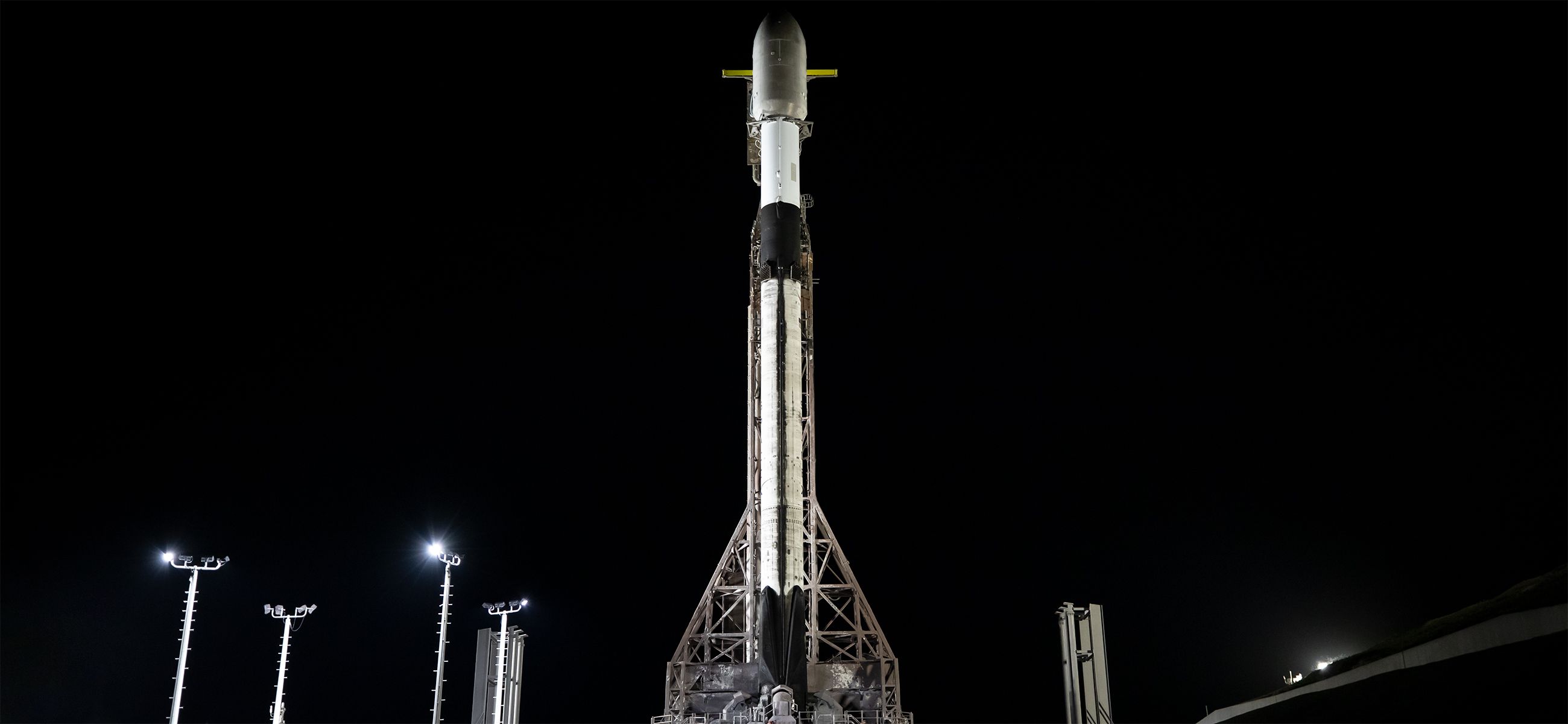
- SDA Tranche 1 Transport Layer E from Space Launch Complex 4E, Vandenberg Space Force Base, California, USA (20:22 UTC) A SpaceX Falcon 9 will launch another batch of satellites for the Space Development Agency’s (SDA) Tranche 1 Transport Layer, designated T1TL-E. The first stage booster will land on the drone ship ‘Of Course I Still Love You’ in the Pacific Ocean. Watch Live Launch Preview
-
SpaceX Starship:
- Flight 13 from Orbital Launch Pad 2, SpaceX Starbase, Texas, USA (22:45 UTC) A Starship-Super Heavy suborbital test flight from the SpaceX Starship program. Booster 20 and Ship 40 will attempt controlled splashdowns in the Gulf of Mexico and Indian Ocean respectively, while Starship deploys 20 V3 Starlink satellites during the test. Watch Live Launch Preview
July 17
-
Rocket Lab Electron:
- LOXSAT 1 from Rocket Lab Launch Complex 1, Mahia Peninsula, New Zealand (Time To Be Determined) A demonstration of a complete cryogenic oxygen fluid management system, developed by Eta Space and sponsored by NASA’s Tipping Point program. The system will fly on a Rocket Lab Photon-LEO satellite bus and collect in-space cryogenic fluid data for 9 months.
-
China Aerospace Science and Technology Corporation Long March 7A:
- Unknown Payload from Pad 201, Wenchang Space Launch Site, People’s Republic of China (11:42 UTC) Mission details to be confirmed. Launch Preview
July 18
- Skyroot Aerospace Vikram-I:
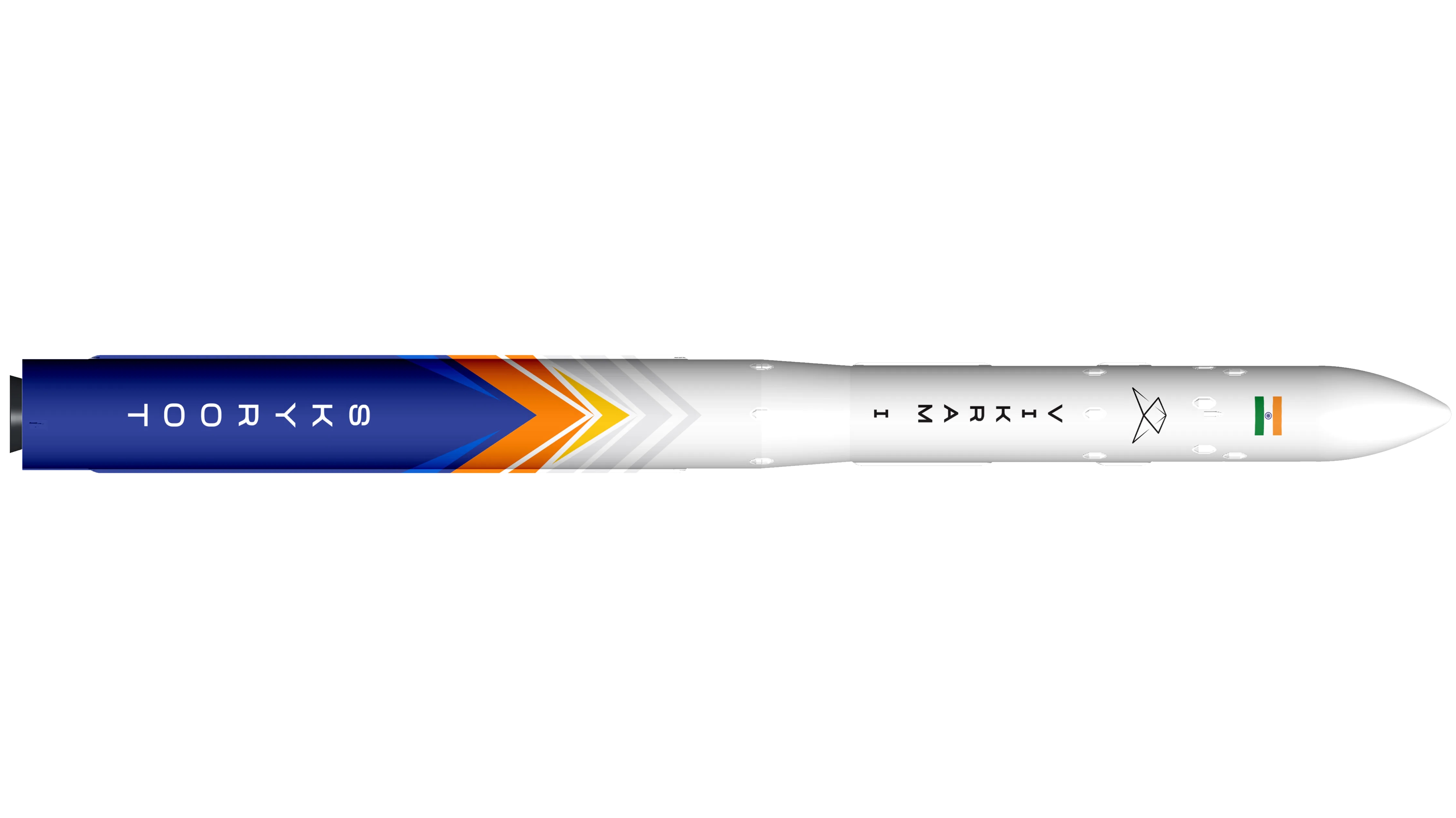
- Demo Flight from Satish Dhawan Space Centre First Launch Pad, Satish Dhawan Space Centre, India (05:00 UTC) [Status: To Be Confirmed] A test flight of Skyroot Aerospace’s Vikram-I, a 4-stage orbital launch vehicle capable of carrying up to 350 kg to Low Earth Orbit, using solid-fueled first stages and a hypergolic upper stage. Launch Preview
July 20
- SpaceX Falcon 9 Block 5:
- Starlink Group 17-39 from Space Launch Complex 4E, Vandenberg Space Force Base, California, USA (14:00 UTC) Deployment of 29 Starlink V2 Mini Optimized satellites into low Earth orbit, with the first stage landing on the drone ship ‘A Shortfall of Gravitas.’ Watch Live
July 21
- SpaceX Falcon 9 Block 5:
- MRV-1 from Space Launch Complex 40, Cape Canaveral Space Force Station, Florida, USA (21:15 UTC) A mission extension flight; the Falcon 9 first stage booster will land on the drone ship ‘Of Course I Still Love You.’ Watch Live
July 23
-
China Aerospace Science and Technology Corporation Long March 3B/E:
- Unknown Payload from Launch Complex 2, Xichang Satellite Launch Center, People’s Republic of China (11:00 UTC) [Status: To Be Confirmed] Mission details to be confirmed. The Long March 3B/E is one of China’s most powerful medium-lift launchers, specially developed for transporting heavy communications satellites to geostationary transfer orbit.
-
SpaceX Falcon 9 Block 5:
- Starlink Group 17-51 from Space Launch Complex 4E, Vandenberg Space Force Base, California, USA (14:00 UTC) Deployment of 29 Starlink V2 Mini Optimized satellites into low Earth orbit, with the first stage landing on the drone ship ‘A Shortfall of Gravitas.’ Watch Live
July 24
- China Aerospace Science and Technology Corporation Long March 8A:
- Unknown Payload from Commercial Launch Complex 1, Wenchang Space Launch Site, People’s Republic of China (11:00 UTC) [Status: To Be Confirmed] Mission details to be confirmed. The Long March 8A is an upgraded orbital launch vehicle developed by the China Academy of Launch Vehicle Technology, capable of delivering up to 7 tonnes to a 700 km sun-synchronous orbit using upgraded YF-75H engines and a larger payload fairing.
Schedule Changes
- Added a new launch: Long March 8A carrying an unknown payload, now scheduled for July 24, 2026 (To Be Confirmed).
- Soyuz 2.1a’s Soyuz MS-29 mission status updated from “Go for Launch” to “Launch Successful” and has been removed from the upcoming launch list.
- SpaceX Falcon 9 Block 5’s Starlink Group 10-45 mission status updated from “Go for Launch” to “Launch Successful” and has been removed from the upcoming launch list.
Note: Launch dates and times are subject to change due to technical or weather considerations.