· x report · 2 min read
X Report 30 Mar 2025
SpaceX gears up for major Starlink launch, while Starship developments continue to shape commercial spacefrontiers.

🚀 Latest Developments
SpaceX is poised to make history with the launch of the largest batch of Starlink V2 Mini satellites to date. Meanwhile, geopolitical dynamics are influencing satellite market shifts as Starlink impacts traditional players. SpaceX’s Fram2 mission also highlights scientific advancements, with experiments targeting Earth’s poles.
📰 Detailed Coverage
SpaceX Prepares for Historic Starlink Launch
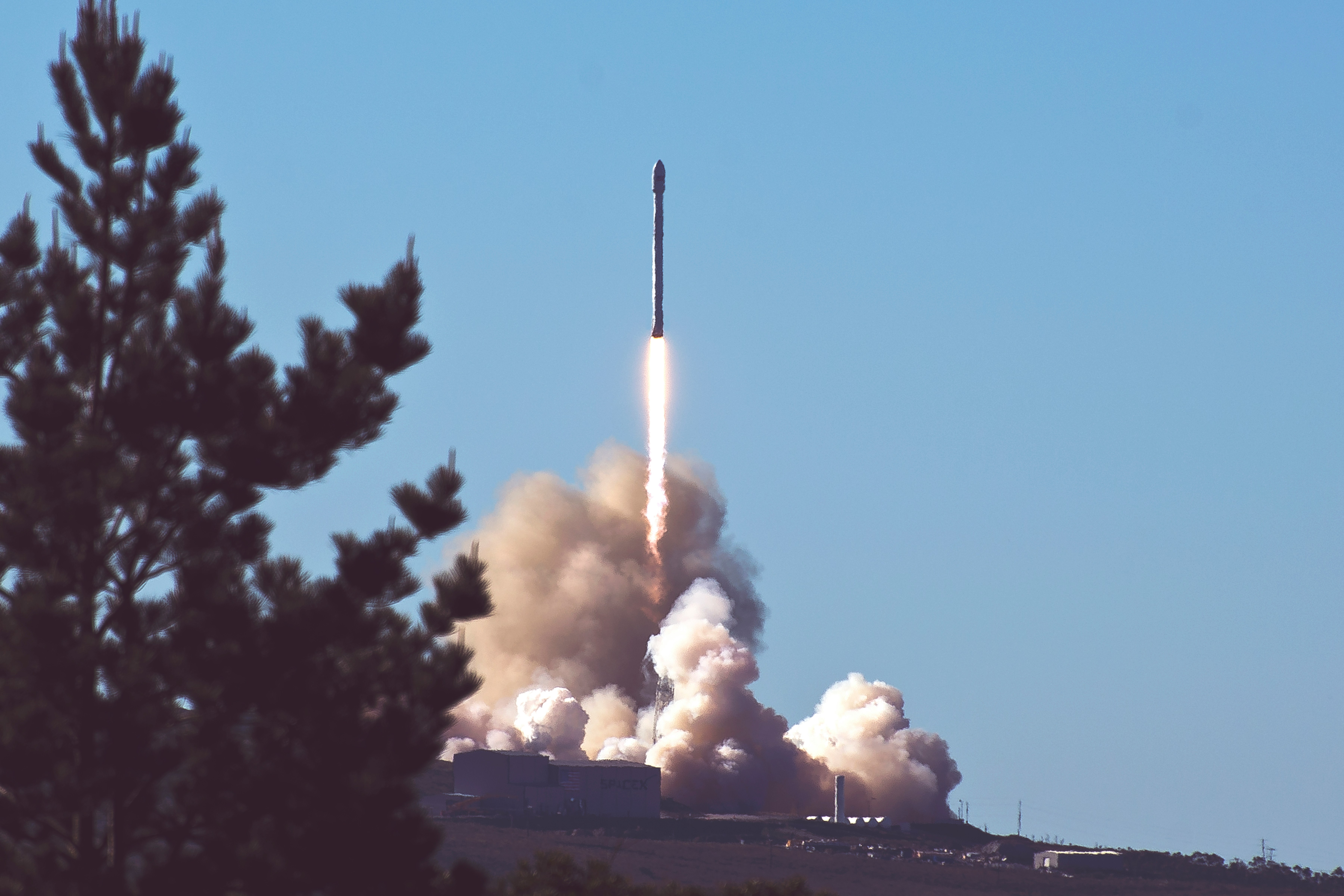
SpaceX is set to launch 28 Starlink V2 Mini satellites aboard its Falcon 9 rocket from Cape Canaveral, marking the largest single deployment of these next-gen satellites. Scheduled for liftoff at 3:20 p.m. EDT (1920 UTC), this mission underscores SpaceX’s commitment to expanding global internet coverage, leveraging improved satellite technology for enhanced capacity and performance.
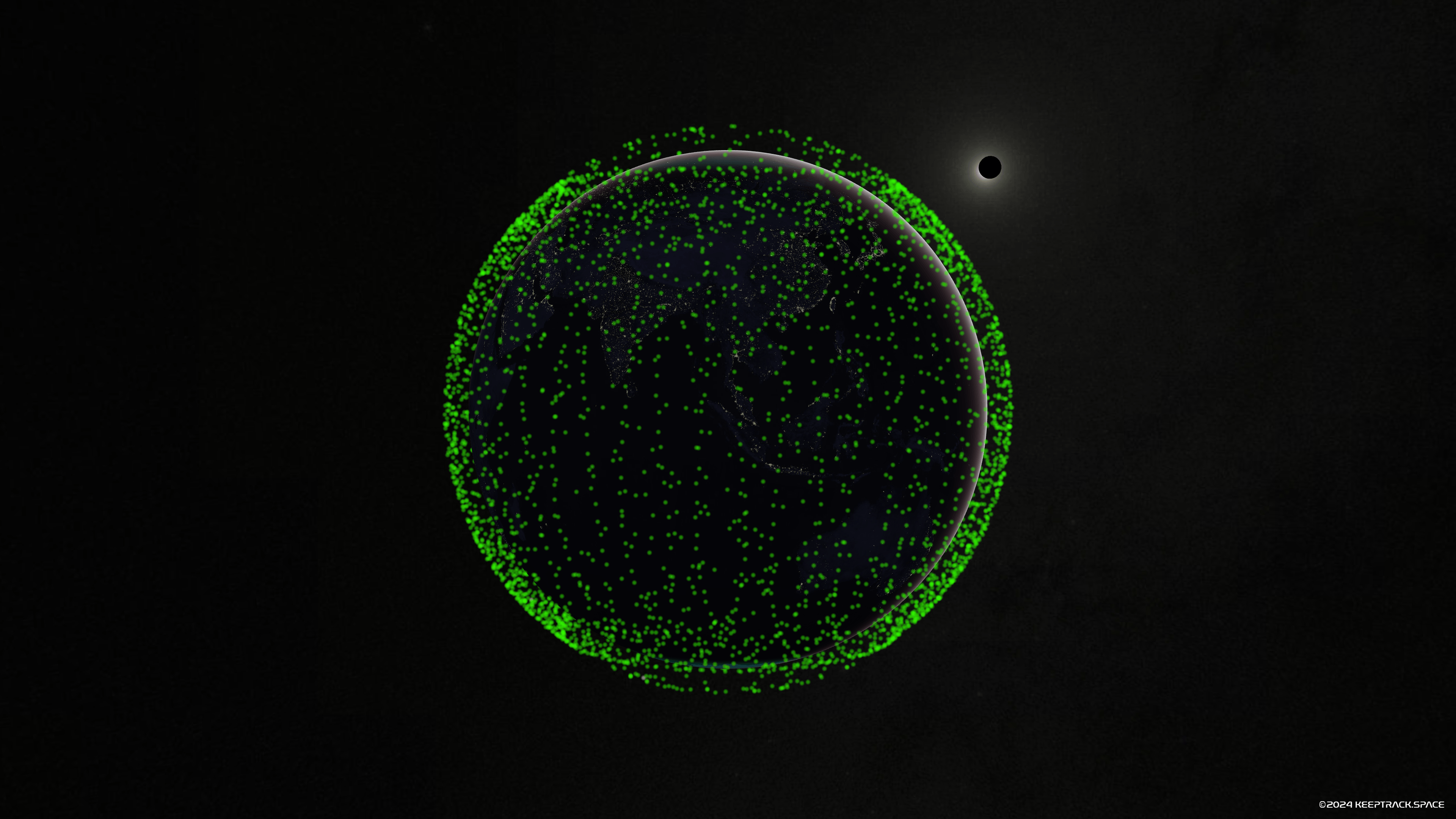
This launch is a testament to SpaceX’s growing dominance in the satellite internet sector, potentially crowding out traditional GEO satellite operators and changing the competitive landscape. This deployment could have significant implications for satellite tracking, as increased satellite density demands more sophisticated tracking and collision avoidance systems.
Read the full story: Spaceflight Now
Geopolitical Tides Favor Telesat’s LEO Ambitions Amid Starlink Pressure
The Canadian satellite operator Telesat is seeing a rise in government interest in its Lightspeed LEO project as geopolitical tensions grow and SpaceX’s Starlink continues to disrupt traditional geostationary satellite markets. Telesat’s strategic pivot from GEO to LEO is being validated in the face of Starlink’s aggressive expansion in broadband services.
This shift highlights the growing importance of LEO satellites in meeting modern connectivity needs and poses both challenges and opportunities for tracking infrastructure to adapt, thereby reinforcing the competitive strategies of other market players.
Read the full story: SpaceNews
Innovation at the Forefront: SpaceX Fram2 Science Mission
Aboard SpaceX’s Fram2 mission, astronauts will conduct a series of innovative scientific experiments while orbiting over the Earth’s poles. Highlights include investigations into the effects of microgravity on mushroom growth and X-ray technology, targeting advancements that could benefit both human spaceflight and terrestrial applications.
These scientific endeavors underscore SpaceX’s role not just as a transporter but as a catalyst for scientific discovery in space, contributing to our understanding of how space environments influence biological and physical processes, which has broader implications for satellite and space mission design.
Read the full story: Space.com
📊 Starlink Status
- Total Launched: 8158
- Total On Orbit: 7132
- Total Working: 7102
Track Starlink satellites in real-time on our web app: Track Starlink

B1049