Latest Developments
SpaceX pushed booster reuse to new territory on July 10, flying a Falcon 9 first stage for its 35th mission while lofting 29 Starlink satellites into low Earth orbit. The launch continues a relentless cadence that has now put 12,472 Starlink satellites into space, with 10,775 currently on orbit and 10,759 operational. Meanwhile, the Starlink direct-to-cell ecosystem took an unexpected turn into consumer hardware, with a new satellite-connected dog collar promising GPS tracking from virtually anywhere on Earth. Together, the stories underscore SpaceX’s dual growth strategy: hardening launch infrastructure through extreme reuse while widening the addressable market for direct-to-device connectivity.
Space Safety
The Starlink conjunction and reentry threat picture presents a critical near-term risk scenario centered on early July 2026. A HIGH risk conjunction involving STARLINK-4621 and the non-operational SL-18 R/B is predicted for Jul 9, 23:44 UTC with a minimum range of just 11 meters and maximum collision probability of 1.0, representing an exceptionally rare and dangerous close approach. Beyond this singular high-risk event, the conjunction analysis identifies 6 moderate-risk events primarily involving partially operational or degraded Starlink assets, while 5 Starlink satellites are currently tracked for imminent reentry predictions within a 3-day window (Jul 12 - 14).
| Risk | Starlink Sat | Other Object | Status | Min Range (km) | Rel Speed (km/s) | Max Prob | Time of Closest Approach |
|---|---|---|---|---|---|---|---|
| HIGH | STARLINK-4621 | SL-18 R/B | Non-operational | 0.011 | 14.173 | 1.0 | Jul 9, 23:44 UTC |
| MODERATE | STARLINK-30464 | STARLINK-36196 | Operational | 0.048 | 10.027 | 0.1285 | Jul 4, 22:40 UTC |
| MODERATE | STARLINK-5106 | STARLINK-32760 | Operational | 0.049 | 10.192 | 0.1211 | Jul 11, 06:11 UTC |
| MODERATE | STARLINK-5400 | STARLINK-5781 | Partially Operational | 0.053 | 6.407 | 0.1203 | Jul 7, 15:32 UTC |
| LOW | STARLINK-36967 | LEMUR-2-AFFIE-WAUWIE | Operational | 0.038 | 7.332 | 0.0733 | Jul 8, 04:03 UTC |
| Satellite | NORAD ID | Predicted Decay | Window (min) | Inclination | Lat | Lon |
|---|---|---|---|---|---|---|
| STARLINK-5032 | 53895 | Jul 12, 01:03 UTC | 60 | 53.2° | 21.7° | 153.6° |
| STARLINK-1545 | 46156 | Jul 13, 01:58 UTC | 420 | 53.0° | -12.7° | 20.6° |
| STARLINK-2162 | 47748 | Jul 13, 17:36 UTC | 540 | 53.1° | -49.6° | 336.5° |
| STARLINK-1784 | 46687 | Jul 14, 10:15 UTC | 840 | 53.0° | 11.9° | 356.6° |
| STARLINK-1678 | 46538 | Jul 14, 14:27 UTC | 780 | 53.0° | -52.1° | 331.3° |
Detailed Coverage
Falcon 9 Booster Notches 35th Flight in Fleet-Leading Milestone
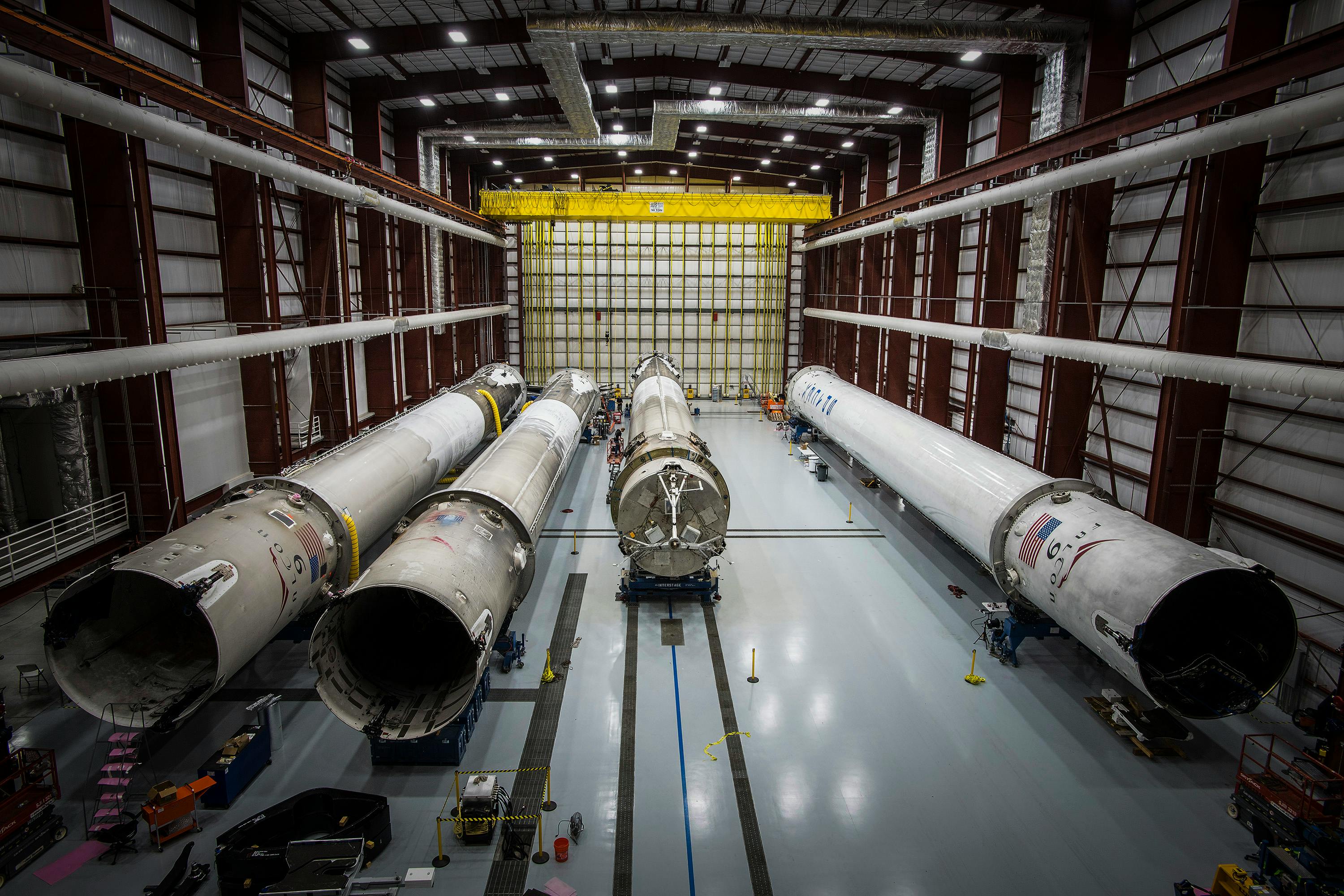
A SpaceX Falcon 9 first stage launched for the 35th time on the night of July 10, carrying 29 Starlink satellites to orbit in a mission that once again demonstrated the economics underpinning SpaceX’s launch dominance. The booster’s flight count sets a new bar for reusability in the Falcon 9 fleet, reinforcing SpaceX’s position that hardware refurbishment costs continue to drop with each additional flight cycle. Landing and recovery proceeded as planned, keeping the booster in rotation for future Starlink and commercial missions.
The mission adds another data point to SpaceX’s argument that reusable rockets fundamentally change launch economics, a claim increasingly validated as boosters push past the 30-flight mark without major incident.
Read the full story: Space.com
29 More Starlinks Reach Orbit as Constellation Approaches 10,760 Operational Satellites
The July 10 launch delivered 29 Starlink satellites to low Earth orbit, part of the steady drumbeat of deployments that has become routine for SpaceX’s ground and launch teams. With 12,472 Starlink satellites launched to date and 10,759 currently functioning, each new batch incrementally reinforces coverage density and redundancy across the constellation’s shells. Analysts tracking orbital data continue to watch deployment patterns for insight into which orbital planes SpaceX is prioritizing as it works toward its next-generation network architecture.
Read the full story: Space.com
World’s First Satellite-Connected Dog Collar Taps Starlink Direct-to-Cell Network
A newly unveiled dog collar has become the first consumer pet-tracking device to leverage SpaceX’s Starlink direct-to-mobile satellite network, allowing owners to locate lost pets even in areas with zero terrestrial cell coverage. The device relies on Starlink’s growing constellation of direct-to-cell satellites, which bypass the need for traditional ground infrastructure by communicating directly with standard mobile-band hardware.
The product signals a maturing commercial ecosystem building atop Starlink’s connectivity layer, extending direct-to-device capability well beyond smartphones and emergency messaging into everyday consumer electronics.
Read the full story: Space.com
Direct-to-Cell Expansion Signals Broader IoT Ambitions for Starlink
Beyond pet trackers, the emergence of satellite-enabled consumer hardware suggests SpaceX and its partners are positioning Starlink’s direct-to-cell satellites as a backbone for a much wider Internet-of-Things market. Industry observers note that as more direct-to-cell satellites join the constellation, latency and coverage gaps that once limited such devices to emergency-only use cases are shrinking, opening the door to always-on tracking products for logistics, wildlife monitoring, and personal safety devices.
Read the full story: Space.com
Launch Cadence Reflects SpaceX’s Continued Dominance of Global Orbital Access
The 35th-flight Falcon 9 mission is only the latest in an unbroken string of Starlink launches that have made SpaceX the clear leader in global launch cadence. With over 12,400 Starlink satellites launched to date, SpaceX’s manifest shows no signs of slowing, even as competitors work to stand up rival broadband constellations. Trackers monitoring Falcon 9 turnaround times note that flight-proven boosters like the one flown on July 10 are central to sustaining this pace without ballooning costs.
Read the full story: Space.com
Constellation Status
There have been no changes to the Starlink constellation since the last check. The constellation currently consists of 12,472 total launched satellites, with 10,775 remaining in orbit, of which 10,759 are operational, while 1,697 have decayed from orbit.
- Total Launched: 12472
- Total On Orbit: 10775
- Total Working: 10759
Track Starlink satellites in real-time: Track Starlink