· space brief · 5 min read
Space Brief 6 Nov 2024
Discover the latest in satellite technology with the launch of the world's first wooden satellite, new test materials for the ISS, and significant developments in orbital space debris.
📄Top Stories
The latest advancements in space technology have seen the world’s first wooden satellite arrive at the International Space Station (ISS), challenging traditional satellite design to reduce pollution. Meanwhile, cutting-edge materials are now being tested in space’s harsh environment, and a test mission featuring human tissue aims to study aging in microgravity. Lastly, a small satellite survived an impact in orbit, highlighting ongoing concerns with space debris.
📰Detailed Coverage
World’s First Wooden Satellite Tests Environmental Impact
The experimental LignoSat, a wooden satellite from Japan, has arrived at the ISS to test the feasibility of using sustainable materials in satellites. Made from magnolia wood, LignoSat aims to demonstrate reduced atmospheric pollution upon re-entry. Traditional metal satellites contribute to pollution when burnt up, creating aluminum oxides that harm the ozone layer. With the potential to revolutionize satellite design, this mission could reduce environmental impacts stemming from the burgeoning satellite constellation industry, such as SpaceX’s Starlink.
Researchers from Kyoto University and Sumitomo Forestry are developing LignoSat. They’ll study its health over six months post-deployment from the ISS, assessing wood’s durability in space. If successful, this approach could influence future satellite manufacturing and even spark interest in extraterrestrial timber applications. Track LignoSat on our web app.
Read the full story: Space.com
Space Materials for the Future
On November 5, a new batch of experimental space materials left for the ISS to endure the extreme conditions in low Earth orbit. These materials are part of ongoing efforts to develop infrastructure capable of withstanding the harsh realities of space, crucial for future long-term missions.
The testing will provide data critical to advancing technologies that could improve everything from spacecraft insulation to solar cell efficiency. The long-term goal is to build satellites and spacecraft that can endure longer exposures to space environments, making future lunar and Martian missions more feasible.
Read the full story: Phys.org
Satellite Survives Collision, Highlights Debris Issue
A satellite manufactured by NanoAvionics has survived a collision in orbit, providing further evidence of the orbital debris hazard. The MP42 satellite, after being in space since 2022, captured a self-inflicted image showcasing a tiny puncture on its solar panel. This incident underscores the persistence of space debris concerns, which continue to threaten active satellites and other space infrastructure.
The collision, likely with space debris or a micrometeoroid, marks a significant concern for both government and commercial operators. With numerous untrackable objects in space, the urgency to enhance satellite collision avoidance systems is growing. Our web app facilitates satellite tracking for early collision detection, aiding in enhanced orbital safety.
Read the full story: Space.com
International Agreements Enhance Military Satellite Networks
Japan and Poland have made significant strides in satellite-based communications by joining the U.S.’s Wideband Global Satcom (WGS) system. This move expands the strategic and defense communications capabilities of both countries, leveraging a robust network maintained by the U.S. Air Force.
Access to WGS enhances real-time data exchange and operational coordination. The expansion underlines a trend of collaborative defense efforts and satellite tracking capabilities essential for modern military operations. This development emphasizes the growing role of satellite communication networks in global defense strategies.
Read the full story: SpaceNews
Project Hyperion Launches Design Competition for Interstellar Ships
The Project Hyperion competition invites innovators to design an interstellar generation ship, tasked with harboring human life over multigenerational missions. The initiative seeks a sustainable habitat design, integrating architectural and societal solutions over a 250-year journey to another star system.
Key design criteria include mimicking Earth-like conditions, ensuring privacy, mental health, and conflict management in a confined space. This ambitious project is set to spark new ideas and technology developments, challenging participants to envision the future of human space exploration.
Read the full story: Space.com
🛰️Satellite Spotlight
- Satellite Name: Sirius-SINP-3U
- NORAD ID: 57185
- Launch Date: 2023
- Mission: Currently not specified
- Orbit: Inclination: 97.5948°, Period: 94.99 min, Eccentricity: 0.0011138
- Operator: BG Optics
- Fun Fact: Sirius-SINP-3U is an example of a 3U CubeSat, which is utilized for a wide range of applications due to its modularity and reduced launch costs.
Current TLE Data:
1 57185U 23091V 24310.74552778 .00028478 00000-0 14819-2 0 99990 2 57185 97.5948 3.4404 0011138 354.7964 5.3151 15.15942127 74954
Track this satellite in real-time on our web app: Track Sirius-SINP-3U
🚀Upcoming Space Launches
November 6
- SpaceX Falcon 9:
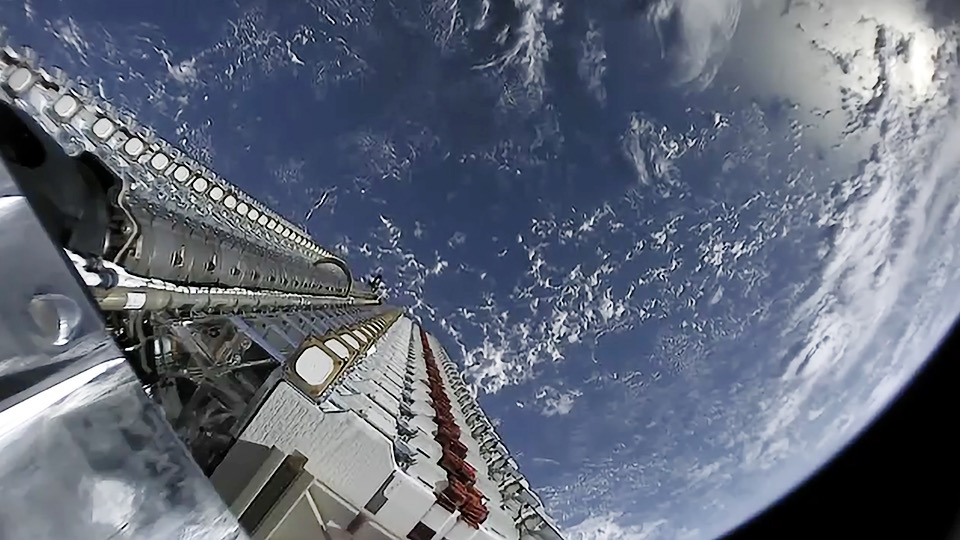
- Starlink Group 6-77 from Cape Canaveral Space Force Station, FL, USA (20:39 UTC) A batch of 23 satellites for the Starlink mega-constellation, SpaceX’s project for space-based Internet communication system.
November 7
-
CAS Space Kinetica 1:
- Unknown Payload from Jiuquan Satellite Launch Center, People’s Republic of China (03:54 UTC)
-
SpaceX Falcon 9:
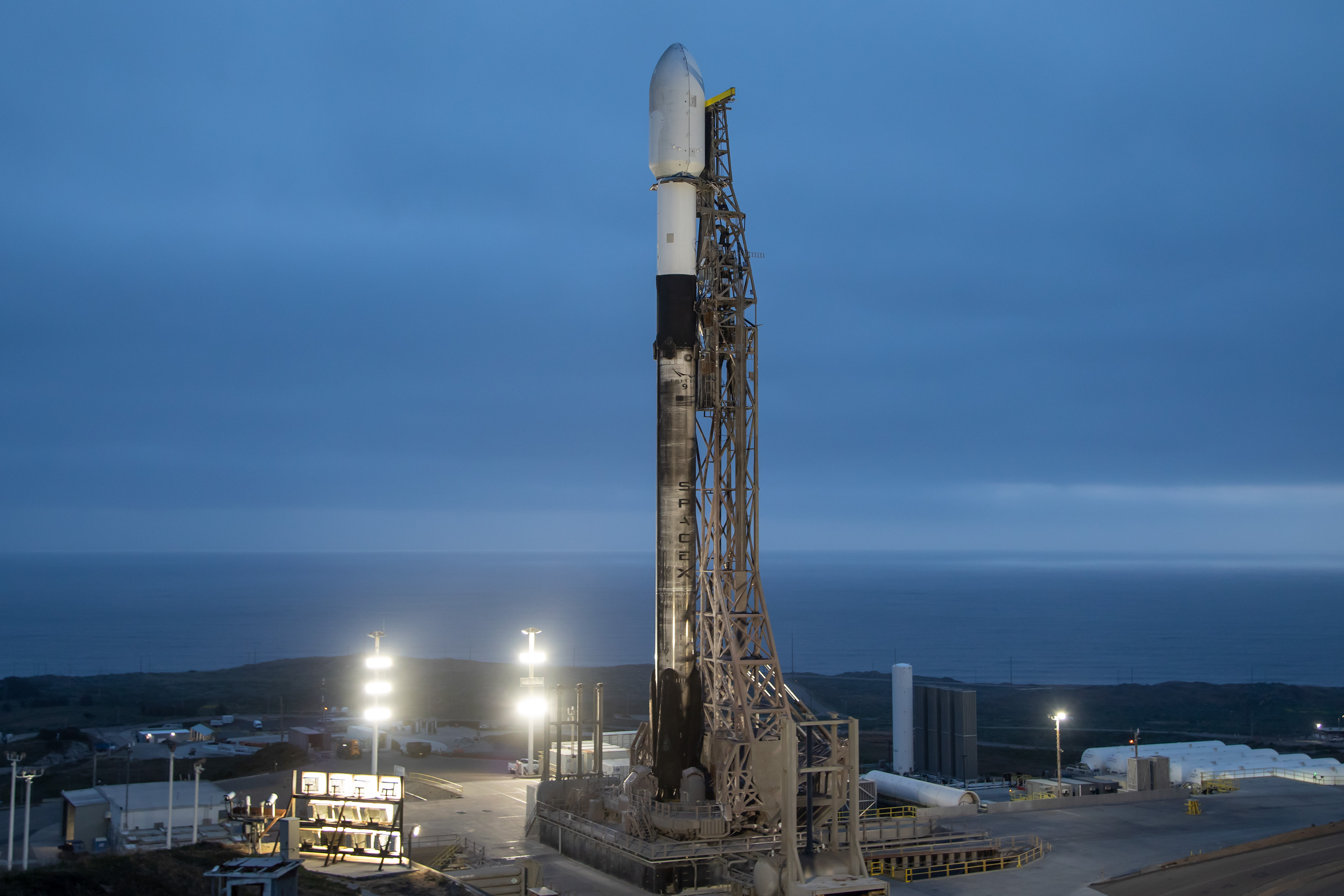
- Starlink Group 9-10 from Vandenberg Space Force Base, CA, USA (07:00 UTC) A batch of satellites for the Starlink mega-constellation, SpaceX’s project for space-based Internet communication system.
November 9
-
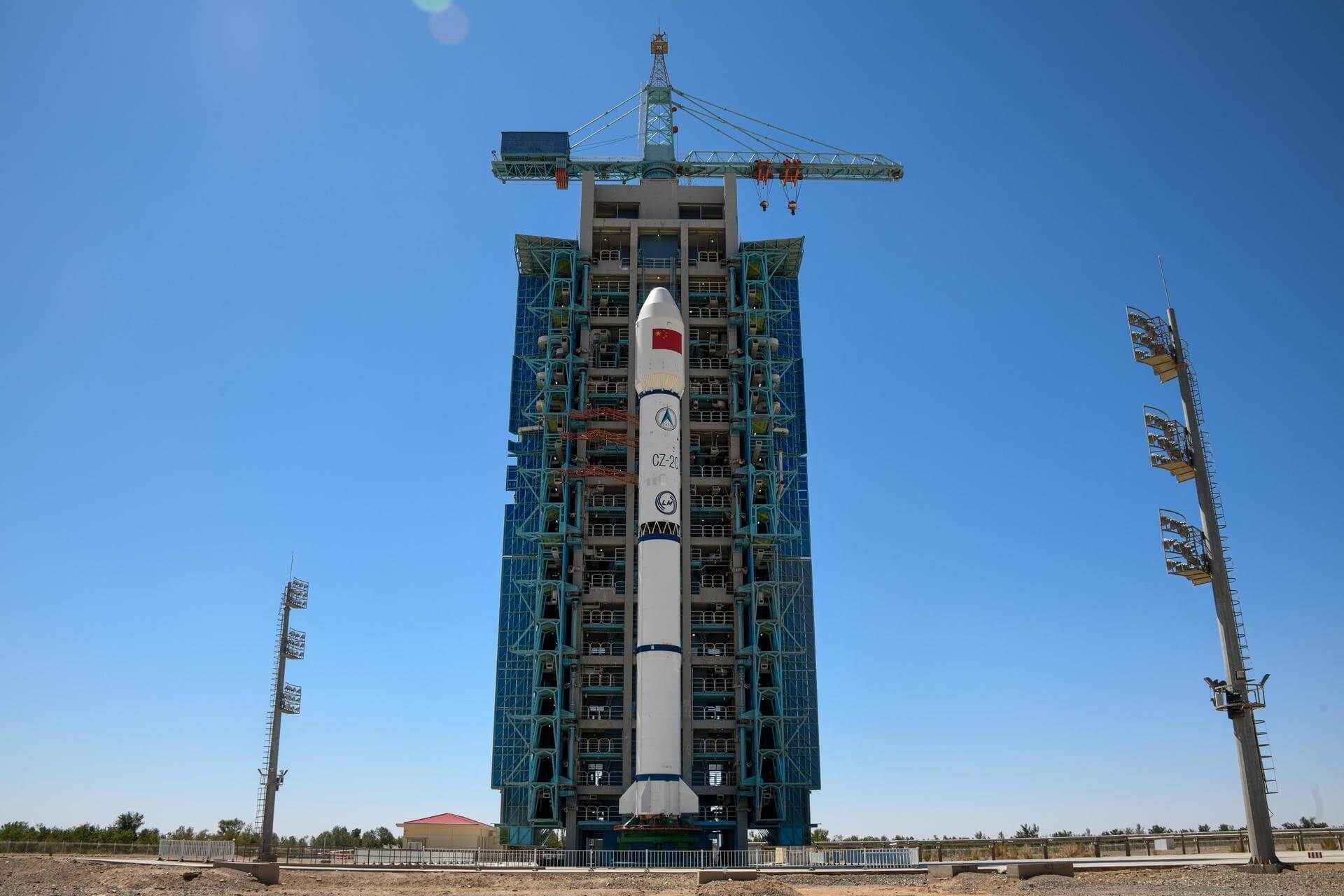
China Aerospace Science and Technology Corporation Long March 2C:
- Unknown Payload from Jiuquan Satellite Launch Center, People’s Republic of China (03:29 UTC)
-
SpaceX Falcon 9:
- Starlink Group 6-69 from Cape Canaveral Space Force Station, FL, USA (21:54 UTC) A batch of satellites for the Starlink mega-constellation, SpaceX’s project for space-based Internet communication system.
November 11
-
SpaceX Falcon 9:
- Starlink Group 6-68 from Cape Canaveral Space Force Station, FL, USA (11:52 UTC) A batch of satellites for the Starlink mega-constellation, SpaceX’s project for space-based Internet communication system.
-
SpaceX Falcon 9:
- Koreasat 6A from Kennedy Space Center, FL, USA (17:07 UTC) The Koreasat 6A spacecraft, built by Thales Alenia Space, will have 20 transponders for fixed satellite services and six for TV broadcasting as a replacement for Koreasat 6.
November 12
- SpaceX Falcon 9:
- Starlink Group 9-11 from Vandenberg Space Force Base, CA, USA (05:07 UTC) A batch of satellites for the Starlink mega-constellation, SpaceX’s project for space-based Internet communication system.
November 13
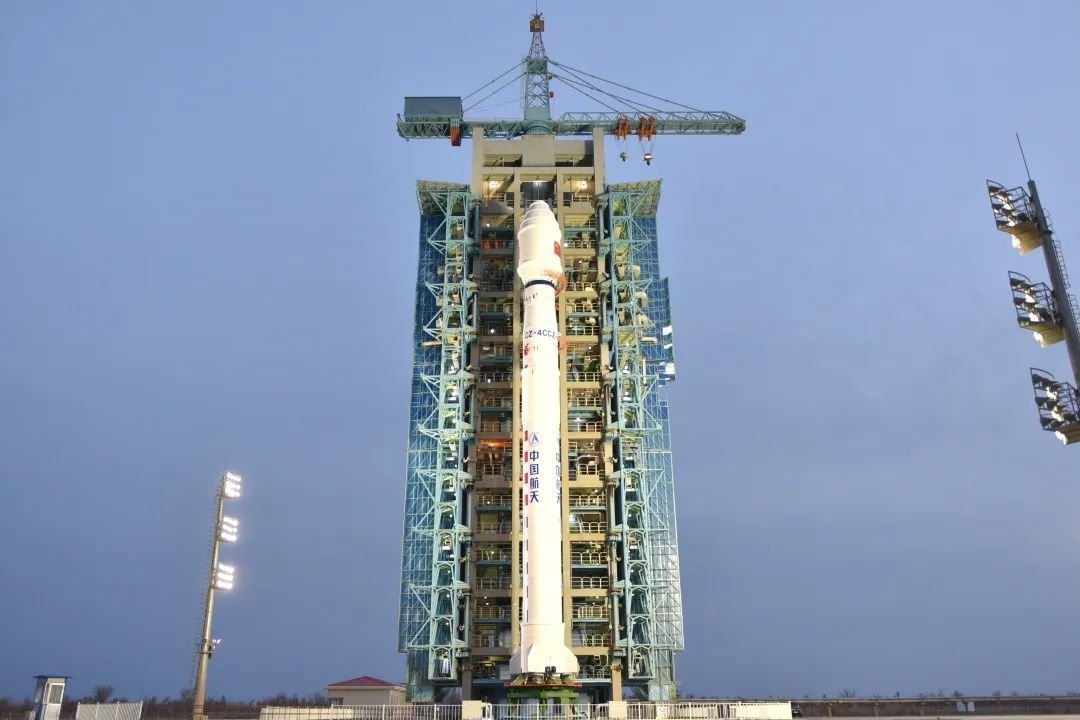
- China Aerospace Science and Technology Corporation Long March 4C:
- Unknown Payload from Taiyuan Satellite Launch Center, People’s Republic of China (22:34 UTC)
Note: Launch dates and times are subject to change due to technical or weather considerations.

Maurice Stellarski