· space brief · 5 min read
Space Brief 15 Dec 2025
Today's highlights include multiple SpaceX Starlink launches, a successful Rocket Lab mission for JAXA, and a scheduled launch update from Kennedy Space Center.
📰Top Stories
SpaceX Falcon 9 Launches 29 Starlink Satellites from Florida
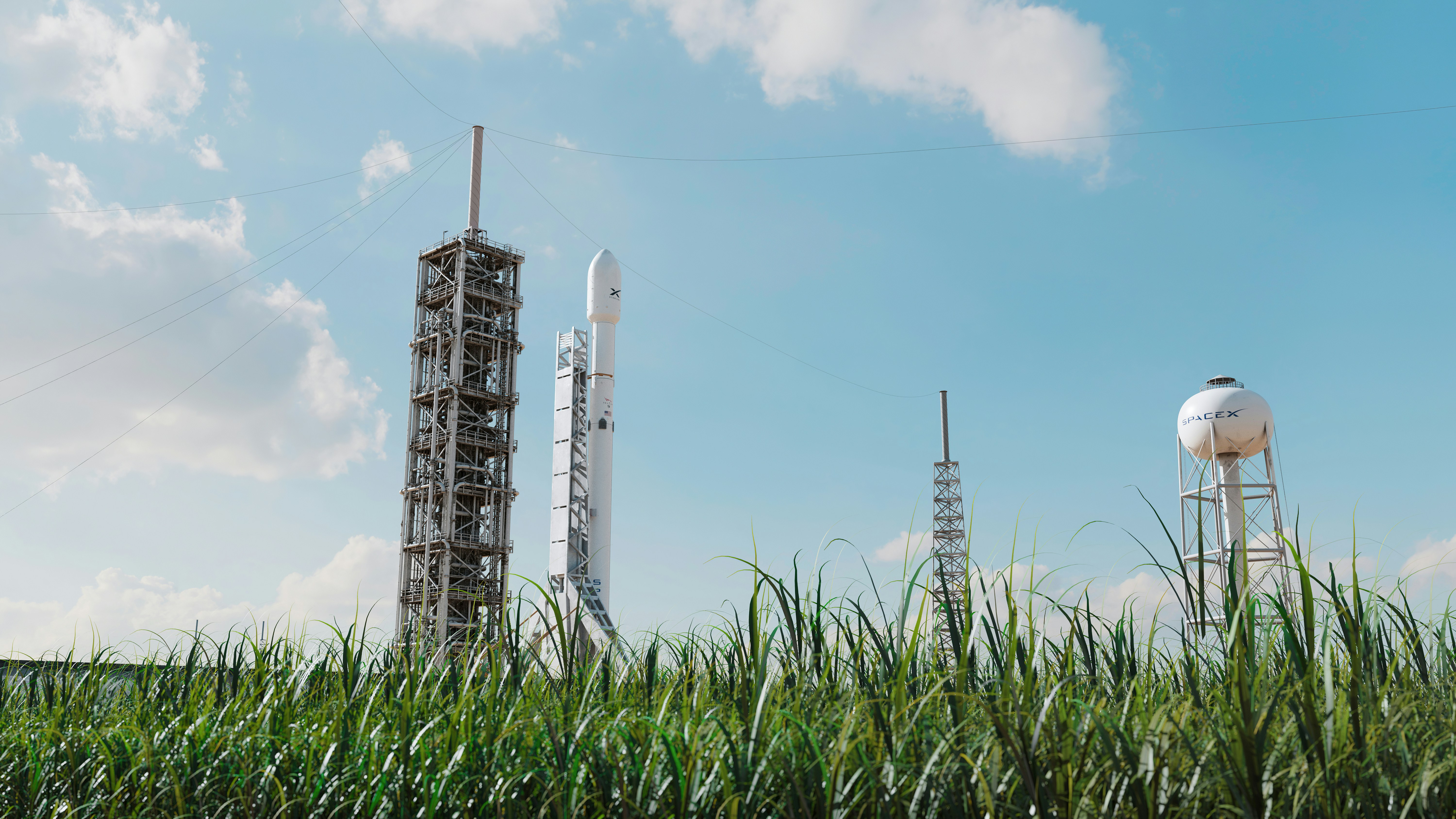
A SpaceX Falcon 9 rocket successfully launched 29 Starlink satellites into low Earth orbit from Space Launch Complex 40 at Cape Canaveral Space Force Station on December 15, 2025. With this launch, SpaceX continues to expand its extensive Starlink satellite constellation, enhancing global internet coverage.
Read the full story: Space.com
Falcon 9 Successfully Sends Starlink Satellites Up and Achieves Milestone Landing
In another impressive feat, a SpaceX Falcon 9 lifted 27 Starlink satellites from Vandenberg Space Force Base and achieved its 550th landing. This launch is part of SpaceX’s frequent and successful satellite deployment schedule, highlighting its reliability in satellite launches and recoveries.
Read the full story: Space.com
SpaceX Starlink Launch From Kennedy Space Center Delayed
Originally planned for December 14, SpaceX has postponed its Falcon 9 launch from Kennedy Space Center, which aims to deliver another batch of 29 Starlink satellites. Weather conditions and minor technical checks often affect launch schedules, highlighting the complexities of space missions.
Read the full story: Spaceflight Now
Midnight Launch Marks SpaceX’s 120th Starlink Mission of 2025
SpaceX successfully completed its 120th Starlink mission of the year with a midnight launch from Cape Canaveral. This mission further contributes to the vast Starlink network aimed at providing high-speed internet worldwide, showcasing SpaceX’s operational cadence and commitment to satellite expansion.
Read the full story: Spaceflight Now
Rocket Lab Launches JAXA Technology Demo Satellite
Rocket Lab successfully launched a technology demonstration satellite for JAXA from its New Zealand site. This mission is part of Rocket Lab’s expanding manifest, supporting international partners and contributing to space innovation and cooperation.
Read the full story: SpaceNews
🛰️Satellite Spotlight
- Satellite Name: DUMMY SAT 3
- NORAD ID: 59479
- Launch Date: April 11, 2024
- Mission: Vehicle Evaluation
- Orbit: Low Earth Orbit (LEO)
- Operator: KHRU
- Fun Fact: This satellite serves as a test payload for the Angara rocket, helping to evaluate the vehicle’s performance during its mission.
Track this satellite in real-time on our web app: Track DUMMY SAT 3
🌌Space Weather
Next 24 Hours
-
Radio Blackouts Probability
- Minor: 25
- Major: 1
- Risk: None
-
Solar Radiation
- Probability: 1
- Risk: None
-
Geomagnetic Storming
- Scale: 0
- Impact: none
- Activity: Low
-
Impact Summary
- Next 24 hours: No risk of radio blackouts.
- No risk of solar radiation storms.
- Geomagnetic outlook: No G1 (Minor) or greater geomagnetic storms are expected.
- No significant transient or recurrent solar wind features are forecast.
- Radiation outlook: No S1 (Minor) or greater solar radiation storms are expected.
- No significant active region activity favorable for radiation storm production is forecast.
- Radio blackout outlook: There is a chance for isolated R1-R2 (Minor-Moderate) radio blackouts over 15-17 Dec.
Long Term Forecast
- Impact Summary
- Forecast of solar and geomagnetic activity from 15 December to 10 January 2026: M-class flares (R1-R2/Minor-Moderate) are likely, with a chance for X-class (R3/Strong) flares through the outlook period.
- Chances could increase if new, more magnetically complex regions develop or return during the period.
- The greater than 10 MeV proton flux is expected to remain below the 10 pfu (S1-Minor) levels throughout the outlook period.
- The greater than 2 MeV electron flux is expected to reach high levels on 16-19 Dec, 25-29 Dec, and 01-06 Jan, with normal to moderate levels expected on 15, 20-24, 30-31 Dec, and 07-10 Jan.
- Geomagnetic field activity is likely to reach G1 (Minor) storm levels on 18 Dec, 30-31 Dec, and possibly 09 Jan, due to negative polarity coronal hole high-speed stream (CH HSS) influences.
- G1 levels are also likely on 22-26 Dec, due to positive polarity CH HSS influences.
- Unsettled to active levels are likely on 15-17, 19-20 Dec, 01-03 Jan, and 08-10 Jan under the influence of negative polarity CH HSS, with additional activity expected on 27-29 Dec under positive polarity CH HSS influence.
- Mostly quiet conditions are expected on 21 Dec and 04-08 Jan.
Upcoming Space Launches
December 16
-
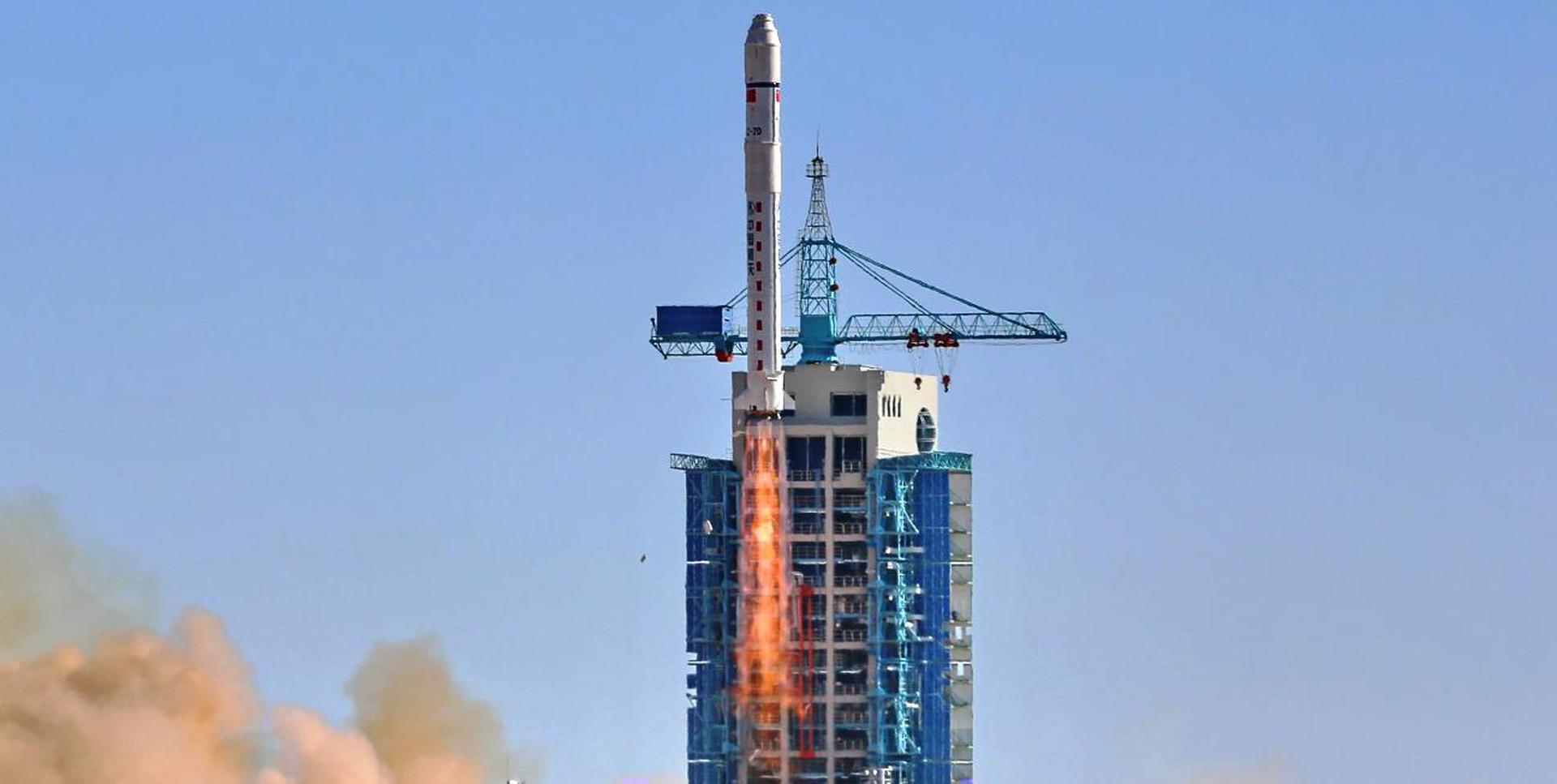
China Aerospace Science and Technology Corporation Long March 4C:
- Unknown Payload from Taiyuan Satellite Launch Center, People’s Republic of China (03:10 UTC)
-
United Launch Alliance Atlas V 551:
- Amazon Leo (LA-04) from Cape Canaveral SFS, FL, USA (08:28 UTC)
Amazon Leo, formerly known as Project Kuiper, is a mega constellation of satellites in Low Earth Orbit providing broadband internet access.
- Amazon Leo (LA-04) from Cape Canaveral SFS, FL, USA (08:28 UTC)
-
SpaceX Falcon 9 Block 5:
- Starlink Group 6-99 from Kennedy Space Center, FL, USA (12:45 UTC)
A batch of 29 satellites for the Starlink mega-constellation, SpaceX’s project for space-based Internet communication system.
- Starlink Group 6-99 from Kennedy Space Center, FL, USA (12:45 UTC)
-
SpaceX Falcon 9 Block 5:
- Starlink Group 15-13 from Vandenberg SFB, CA, USA (15:24 UTC)
A batch of 27 satellites for the Starlink mega-constellation, SpaceX’s project for space-based Internet communication system.
- Starlink Group 15-13 from Vandenberg SFB, CA, USA (15:24 UTC)
December 17
-
Mitsubishi Heavy Industries H3-22:
- Michibiki 5 (QZS-5) from Tanegashima Space Center, Japan (02:10 UTC)
QZSS is a Japanese satellite navigation system designed to achieve optimal high-elevation visibility in urban and mountainous areas.
- Michibiki 5 (QZS-5) from Tanegashima Space Center, Japan (02:10 UTC)
-
Arianespace Ariane 62:
- Galileo L14 (FOC FM33 & FM34) from Guiana Space Centre, French Guiana (05:01 UTC)
Payload consists of two satellites for Europe’s Galileo navigation system.
- Galileo L14 (FOC FM33 & FM34) from Guiana Space Centre, French Guiana (05:01 UTC)
-
Innospace HANBIT-Nano:
- Spaceward from Alcântara Space Center, Federative Republic of Brazil (18:45 UTC)
Maiden orbital launch attempt for Innospace carrying five small satellites and various payloads.
- Spaceward from Alcântara Space Center, Federative Republic of Brazil (18:45 UTC)
December 18
-
Rocket Lab Electron:
- STP-S30 from Wallops Flight Facility, Virginia, USA (05:00 UTC)
STP-S30 will deliver research experiments and technology demonstrations to orbit for the DoD, contributing to future space systems development.
- STP-S30 from Wallops Flight Facility, Virginia, USA (05:00 UTC)
-
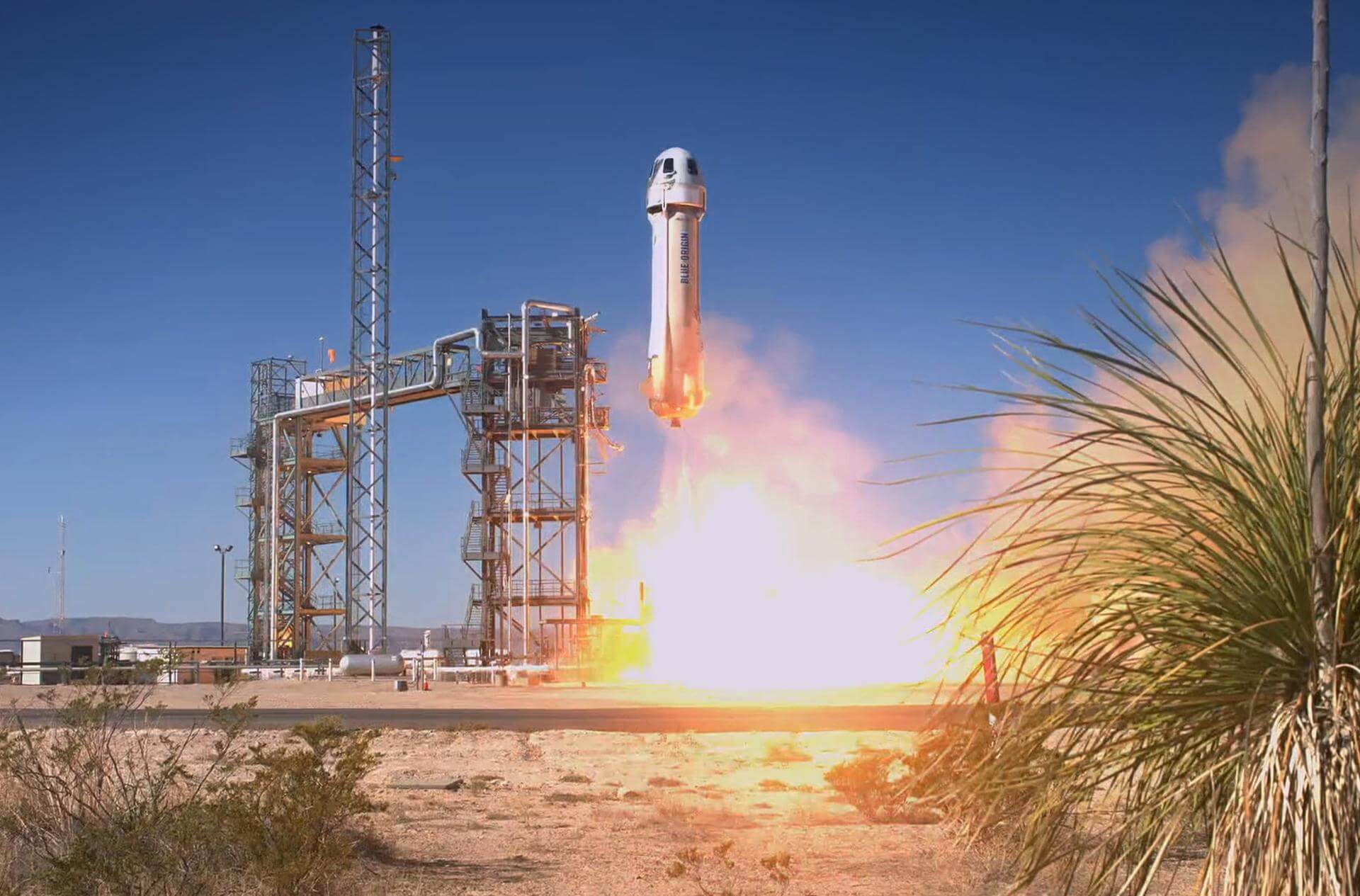
Blue Origin New Shepard:
- NS-37 from Corn Ranch, Van Horn, TX, USA (14:30 UTC)
The 16th crewed flight for the New Shepard program.
- NS-37 from Corn Ranch, Van Horn, TX, USA (14:30 UTC)
Note: Launch dates and times are subject to change due to technical or weather considerations.

Maurice Stellarski