· space brief · 5 min read
NASA Postpones Spacewalk Over Medical Concern, Sierra Space Delivers SDA Satellites Early | KeepTrack Space Brief
NASA delays first 2026 spacewalk due to ISS crew medical issue. Sierra Space completes SDA Tranche 2 satellite structures ahead of schedule. Space Force advances Handle 2.0 standardization.
📰Top Stories
Space Force’s Satellite Standardization Move with ‘Handle 2.0’ Contract
The Space Force is advancing efforts to standardize satellite technologies with the Handle 2.0 contract. This new initiative sees Falcon ExoDynamics taking a leading role in maturing Aerospace Corp’s satellite interface, which aims to streamline satellite operations across multiple sectors, including defense and communications. This standardization could enhance interoperability and reduce costs.
Read the full story: SpaceNews
Sierra Space’s Progress on SDA Missile Tracking Satellites
Sierra Space has efficiently completed the first segment of structures for the Space Development Agency’s Tranche 2 Tracking Layer program. This advancement marks a significant step in missile tracking enhancements, delivering crucial components ahead of schedule. The program aids global defense through the Proliferated Warfighter Space Architecture.
Read the full story: SPX
Medical Situation Delays First Spacewalk of 2026
A medical situation involving a crew member aboard the International Space Station has prompted NASA to postpone the planned first spacewalk of 2026. The walk was set for crucial maintenance tasks but will be rescheduled, impacting the timeline of the Crew-11 mission.
Read the full story: Spaceflight Now
2026 Military Space Outlook and Acquisition Reforms
The Pentagon faces critical decisions this year regarding commercial space adoption and new space capabilities within military programs. As pressure mounts, reforms in satellite acquisition processes could redefine strategic military operations and investment.
Read the full story: SpaceNews
Presidential Order Targets Defense Firms
A new executive order from former President Trump mandates changes in defense contract stipulations, focusing on curbing share buybacks and capping executive compensation during underperformance. This could reshape the landscape for defense contracts and their broader economic impacts.
Read the full story: Breaking Defense
Venezuela’s Shift Could Influence Pentagon Budgets
Following regime changes in Venezuela, U.S. defense spending priorities may shift, potentially affecting funding allocations for various military and space sectors. Analysts from Congressional Roundup delve into these possible budgetary transformations.
Read the full story: Breaking Defense
🛰️Satellite Spotlight
- Satellite Name: TEN-KOH
- NORAD ID: 43677
- Launch Date: October 29, 2018
- Mission: Technology demonstration satellite designed to observe low Earth orbital (LEO) environments.
- Orbit: Low Earth Orbit (LEO)
- Operator: KYUT
- Fun Fact: TEN-KOH is made by a manufacturer called KYUT and provides valuable data for technology experiments in space.
Track this satellite in real-time on our web app: Track TEN-KOH
🌌Space Weather
Next 24 Hours
-
Radio Blackouts Probability
- Minor: 45
- Major: 10
- Risk: None
-
Solar Radiation
- Probability: 10
- Risk: None
-
Geomagnetic Storming
- Scale: 0
- Impact: none
- Activity: Low
-
Impact Summary
- No risk of radio blackouts for satellite communication users or ground-based operators.
- No risk of solar radiation storms means tranquil conditions for spacecraft.
- Geomagnetic outlook shows low activity; minimal impact on satellite operations expected.
Long Term Forecast
- Forecast of Solar and Geomagnetic Activity
- Solar activity likely remains low, with occasional moderate conditions anticipated.
- Slight chance of higher activity (R2/R3) due to returning solar regions.
- The greater than 2 MeV electron flux expected to reach high levels on specific dates due to recurrent coronal holes.
- Geomagnetic activity expected to reach G1 levels on several occasions, with potential impacts from coronal holes enhancing storm probabilities.
- Most of the period is expected to be quiet, allowing for stable satellite operations.
🚀 Upcoming Space Launches
January 8
- SpaceX Falcon 9 Block 5:
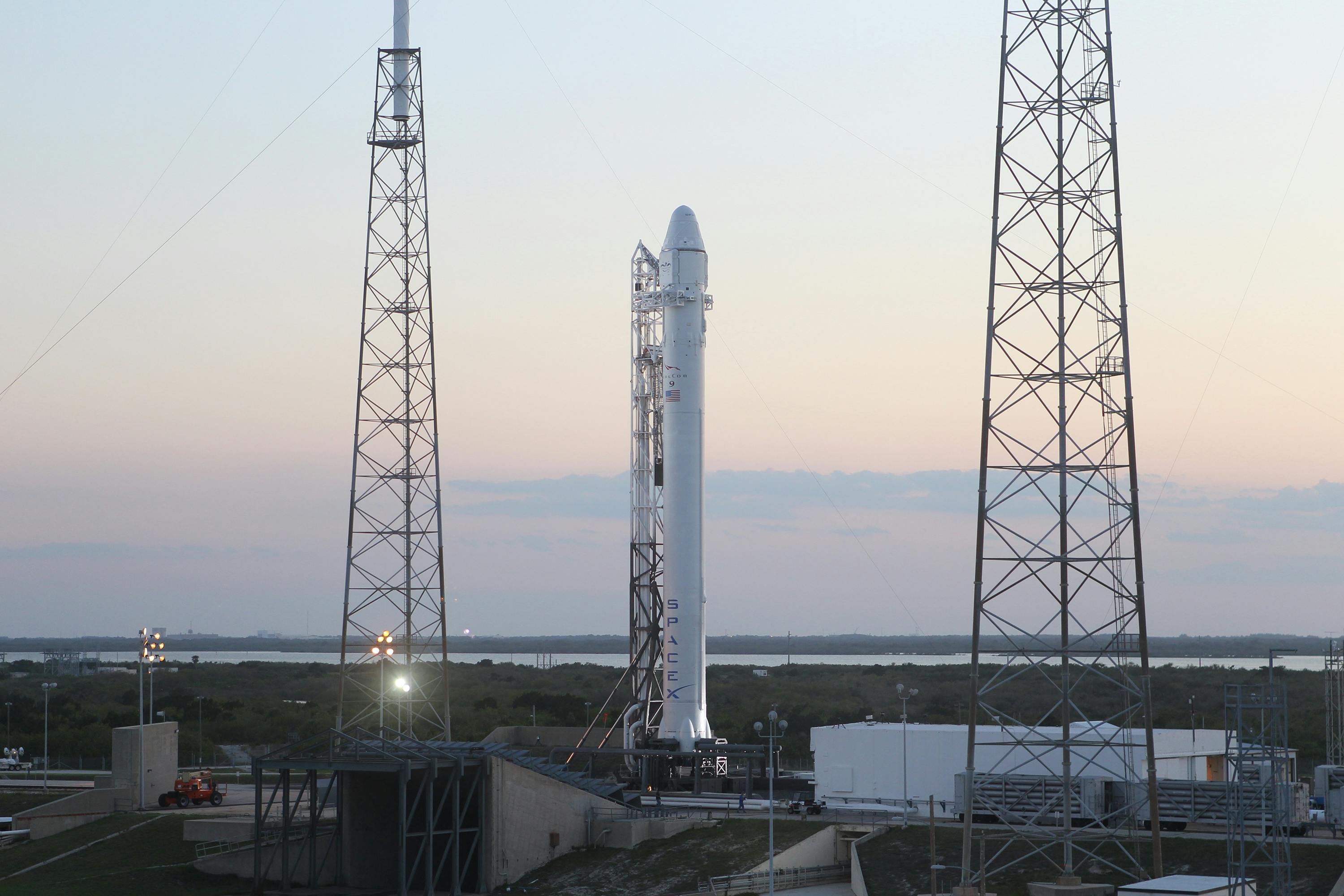
- Starlink Group 6-96 from Cape Canaveral Space Force Station, FL, USA (18:29 UTC) A batch of 29 satellites for the Starlink mega-constellation - SpaceX’s project for space-based Internet communication system.
January 10
- SpaceX Falcon 9 Block 5:
- Starlink Group 6-97 from Cape Canaveral Space Force Station, FL, USA (18:34 UTC) A batch of 29 satellites for the Starlink mega-constellation - SpaceX’s project for space-based Internet communication system.
January 11
- SpaceX Falcon 9 Block 5:
- Pandora / Twilight rideshare mission from Vandenberg Space Force Base, CA, USA (13:19 UTC) The Pandora small satellite was selected as an inaugural mission in NASA’s Astrophysics Pioneers Program, featuring a telescope to study exoplanet atmospheres and host star variability. Additionally, 39 other rideshare payloads are launching under the “Falcon 9 Twilight mission.”
January 12
- PSLV-DL:
- EOS-N1 and others from Satish Dhawan Space Centre, India (04:15 UTC) A small Earth observation satellite from NewSpace India Limited for an “Indian strategic user.” This launch will also carry 18 other rideshare payloads.
January 13
- China Aerospace Science and Technology Corporation Long March 8A:
- Unknown Payload from Wenchang Space Launch Site, People’s Republic of China (15:38 UTC)
- SpaceX Falcon 9 Block 5:
- Starlink Group 6-98 from Cape Canaveral Space Force Station, FL, USA (18:28 UTC) A batch of 29 satellites for the Starlink mega-constellation - SpaceX’s project for space-based Internet communication system.
January 15
- China Aerospace Science and Technology Corporation Long March 3B/E:
- Unknown Payload from Xichang Satellite Launch Center, People’s Republic of China (16:00 UTC)
January 17
- Isar Aerospace Spectrum:
- Flight Two from Andøya Spaceport (00:00 UTC) Second test flight of the Isar Spectrum launch vehicle, carrying several cubesats as part of the European Space Agency’s “Boost!” program.
January 19
- China Aerospace Science and Technology Corporation Long March 12:
- Unknown Payload from Wenchang Space Launch Site, People’s Republic of China (07:00 UTC)
January 20
- China Rocket Co. Ltd. Smart Dragon 3:
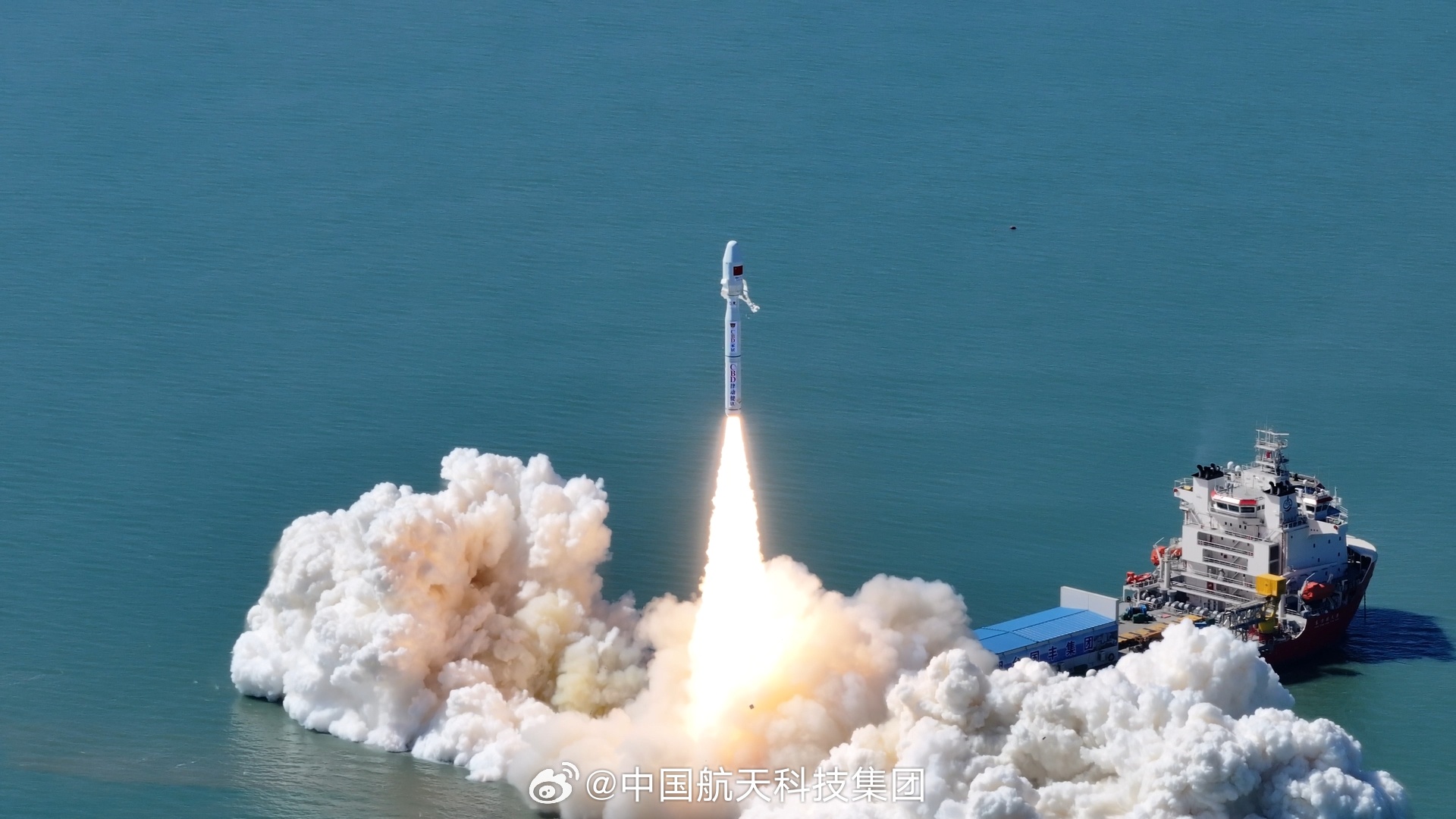
- Unknown Payload from Haiyang Oriental Spaceport (04:00 UTC) Possibility of an Earth observation satellite for the Pakistan government’s SUPARCO.
Note: Launch dates and times are subject to change due to technical or weather considerations.

Maurice Stellarski