· space brief · 4 min read
Artemis II Rolls Out to Pad 39B, China Hit by Dual Launch Failures | KeepTrack Space Brief
Artemis II SLS/Orion rolls to Launch Complex 39B for first crewed lunar mission since 1972. China suffers dual launch failures on the same day. SpainSat NG 2 declared total loss from debris strike.

📰Top Stories
Artemis II Rolls Out to Launch Pad
NASA’s Space Launch System (SLS) and Orion spacecraft have made a historic roll out to Launch Complex 39B in preparation for Artemis II. This mission, the first crewed lunar mission since 1972, marks a significant milestone in NASA’s return to lunar exploration. The rollout occurred on January 17, and while the exact launch date remains uncertain, this event suggests progress toward humanity’s return to the Moon.
Read the full story: NASASpaceFlight.com
China Faces Dual Launch Failures
China experienced setbacks with two failed launches on the same day, affecting the Long March 3B and the inaugural mission of the Ceres-2 rocket. The failures resulted in the loss of a classified Shijian satellite and disappointment over the debut attempt of the Ceres-2, setting back Chinese space endeavors.
Read the full story: SpaceNews
Indra Group Writes Off Damaged SpainSat NG 2
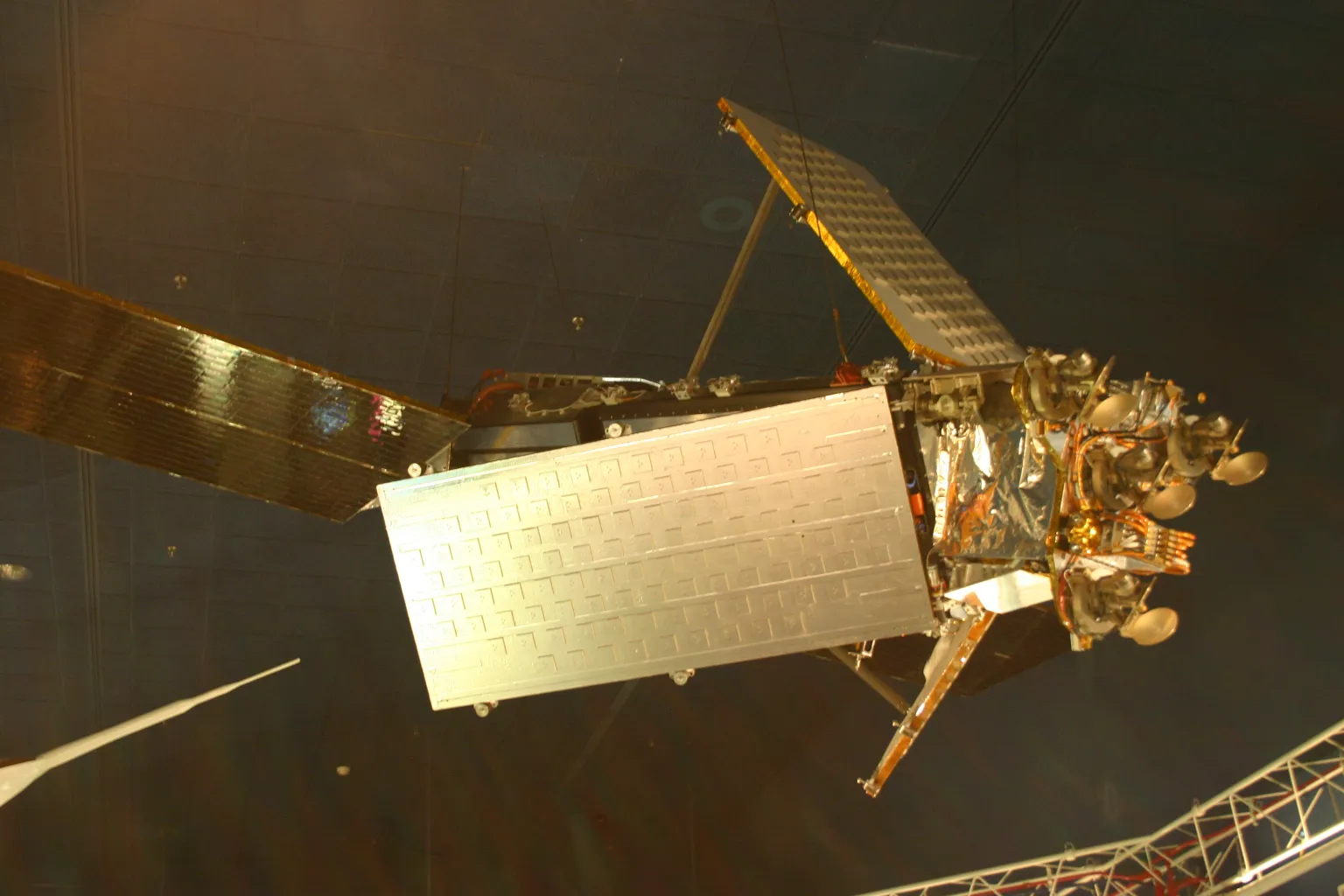
In a blow to military satellite operations, Indra Group has announced that their SpainSat NG 2, a critical communication satellite, is considered a total loss after being struck by a space particle. The incident underscores the growing concern over space debris and the vulnerabilities of satellites to damage from even small particles in orbit.
Read the full story: SpaceNews
White House Resubmits NASA Deputy Administrator Nominee
The White House has re-nominated a candidate for NASA’s deputy administrator position while seeking a new individual for the agency’s chief financial officer role. This move indicates ongoing administration changes and NASA’s strategic direction.
Read the full story: SpaceNews
🛰️Satellite Spotlight
- Satellite Name: ZHUHAI-1 OHS-03
- NORAD ID: 43442
- Launch Date: April 26, 2018
- Mission: This satellite is dedicated to Earth observation, capturing valuable imagery to assist in various applications, including environmental monitoring and urban planning.
- Orbit: Low Earth Orbit (LEO)
- Operator: ZHUORB
- Fun Fact: ZHUHAI-1 OHS-03 is equipped with a video imager, making it capable of providing high-resolution imagery for detailed earth observation tasks.
Track this satellite in real-time on our web app: Track ZHUHAI-1 OHS-03
🌌Space Weather
Next 24 Hours
-
Radio Blackouts Probability
- Minor: 55
- Major: 5
- Risk: None
-
Solar Radiation
- Probability: 5
- Risk: None
-
Geomagnetic Storming
- Scale: 1
- Impact: minor
- Activity: Moderate
-
Impact Summary
- No risk of radio blackouts.
- No risk of solar radiation storms.
- Moderate geomagnetic activity is expected, with minor geomagnetic storms.
- Geomagnetic outlook indicates G1 (Minor) geomagnetic storms due to a positive polarity coronal hole.
- Radiation outlook shows no significant active regions for radiation storm production.
- Over January 18-20, R1-R2 (Minor-Moderate) radio blackouts may occur from multiple complex regions on the solar disk.
Long Term Forecast
- Solar activity is anticipated to remain low with chances for R1 (Minor) and a slight chance for R2/R3 (Moderate/Strong) conditions over the forecast period.
- No proton events are expected at geosynchronous orbit.
- High levels of greater than 2 MeV electron flux expected on selected days, influenced by recurrent coronal holes.
- Geomagnetic activity is likely to reach G1 (Minor) storm levels on January 12 and 29, with unsettled to active levels on various days throughout the week.
- Most of the outlook period is expected to remain quiet, except for anticipated increases in geomagnetic activity due to multiple recurrent CH HSSs.
🚀 Upcoming Space Launches
January 18
- SpaceX Falcon 9 Block 5:
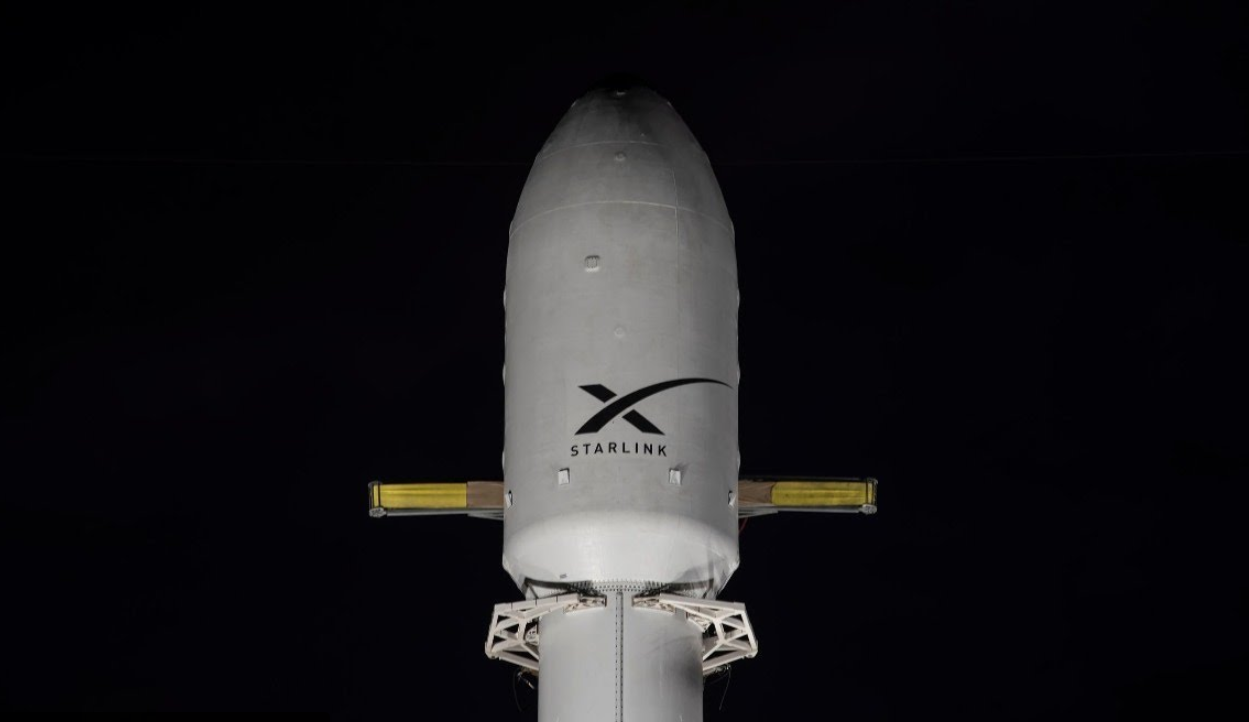
- Starlink Group 6-100 from Cape Canaveral Space Force Station (22:04 UTC)
- A batch of 29 satellites for the Starlink mega-constellation - SpaceX’s project for space-based Internet communication system.
January 19
- China Aerospace Science and Technology Corporation Long March 12:
- Unknown Payload from Wenchang Space Launch Site, People’s Republic of China (07:41 UTC)
- Details TBD.
January 20
- Rocket Lab Electron:
- The Cosmos Will See You Now (Open Cosmos Constellation Launch 1) from Rocket Lab Launch Complex 1, Mahia Peninsula, New Zealand (11:09 UTC)
- First 2 satellites of UK-based Open Cosmos’ secure LEO broadband constellation designed to provide independent and resilient connectivity infrastructure for Europe and the world.
January 21
- Isar Aerospace Spectrum:
- Onward and Upward from Andøya Spaceport (20:00 UTC)
- Second test flight of the Isar Spectrum launch vehicle, carrying 5 cubesats and 1 non-separable experiment as part of European Space Agency (ESA)‘s “Boost!” program.
January 22
-
SpaceX Falcon 9 Block 5:
- Starlink Group 17-30 from Vandenberg Space Force Base, California, USA (02:43 UTC)
- A batch of 25 satellites for the Starlink mega-constellation.
-
Blue Origin New Shepard:
- NS-38 from West Texas Suborbital Launch Site, Corn Ranch, Van Horn, Texas, USA (14:30 UTC)
- NS-38 is the 17th crewed flight for the New Shepard program.
January 25
-
China Rocket Co. Ltd. Smart Dragon 3:
- Unknown Payload from Haiyang Oriental Spaceport (04:00 UTC)
- Possibly an Earth observation satellite for the Pakistan government’s SUPARCO, details TBD.
-
SpaceX Falcon 9 Block 5:
- Starlink Group 17-20 from Vandenberg Space Force Base, California, USA (15:17 UTC)
- A batch of 24 satellites for the Starlink mega-constellation.
January 26
- China Aerospace Science and Technology Corporation Long March 7A:
- Unknown Payload from Wenchang Space Launch Site, People’s Republic of China (21:00 UTC)
- Details TBD.
January 31
- Rocket Lab Electron:
- Bridging The Swarm (NeonSat-1A) from Rocket Lab Launch Complex 1A, Mahia Peninsula, New Zealand (00:00 UTC)
- The NeonSat-1A, carrying a high-resolution optical camera, is part of the South Korean government’s Earth observation micro-satellite constellation NeonSat.
Note: Launch dates and times are subject to change due to technical or weather considerations.

Maurice Stellarski