· space brief · 5 min read
NASA Tests Artemis 2 Fueling, Saudi Unveils DebriSolver Winners | KeepTrack Space Brief
NASA conducts critical Artemis 2 rocket fueling test. Saudi Space Agency announces global DebriSolver competition winners. SpaceX and Bezos push orbital data center plans.
📰Top Stories
Saudi Space Agency Unveils ‘DebriSolver’ Competition Winners
At the Space Debris Conference 2026, the Saudi Space Agency proudly disclosed the winners of the global “DebriSolver” competition, a groundbreaking initiative in tackling space debris challenges. The contest encouraged innovative solutions from worldwide teams, promoting international collaboration to mitigate the growing threat of orbital debris.
Read the full story: SpaceNews
SpaceX Prepares for Starlink Satellite Launch
SpaceX is set for its first Starlink mission of February from Vandenberg Space Force Base. The Falcon 9 rocket, scheduled for launch at 7:38 a.m. PST, will deliver 25 Starlink satellites into orbit, marking another step in expanding SpaceX’s satellite internet constellation.
Read the full story: Spaceflight Now
Varda’s W-5 Mission Successfully Lands in Australia
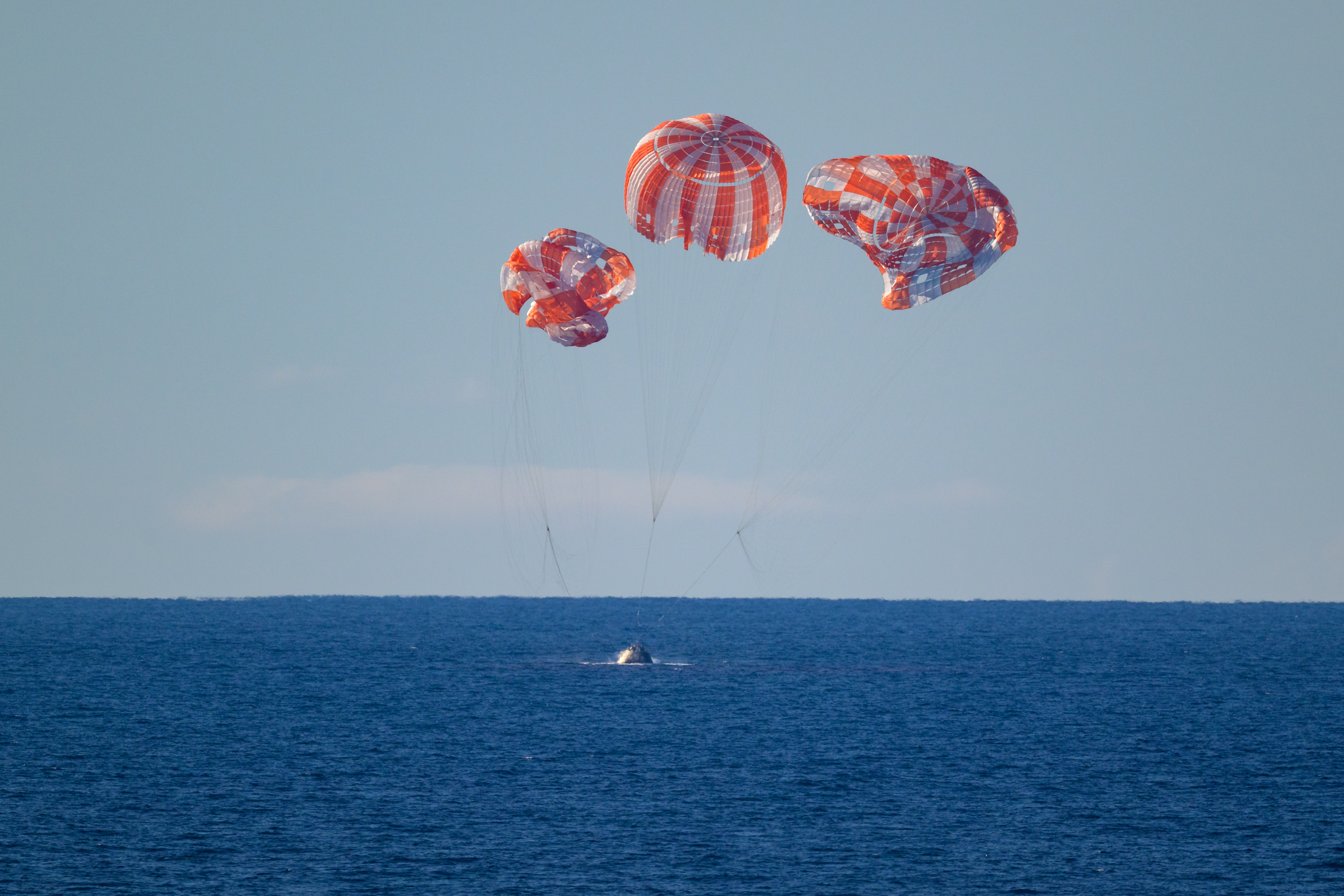
Varda Space Industries accomplished a successful reentry of its W-5 mission, landing in Australia on January 29. This mission provided an end-to-end demonstration of Varda’s newly developed spacecraft, showcasing its ability to reenter Earth safely.
Read the full story: SpaceNews
Growing Focus on Orbital Data Centers
Amid rising interest in artificial intelligence and data infrastructure, space industry leaders like Elon Musk and Jeff Bezos are advocating for space-based data centers. Recent discussions highlight the economic viability and sustainability of this venture as a solution to Earth’s growing data demands.
Read the full story: SpaceNews
Crucial Test for NASA’s Artemis 2 Moon Rocket
NASA is conducting an essential fueling test of its Artemis 2 moon rocket today. This prelaunch test allows for a live observation of the process as NASA prepares for the historic crewed mission to the Moon.
Read the full story: Space.com
Time Magazine Celebrates Artemis 2 Astronauts
Time magazine commemorates the monumental Artemis 2 mission with a special cover issue dedicated to the astronauts. As the world awaits the return of crewed lunar missions after half a century, this issue pays tribute to the new generation of lunar explorers.
Read the full story: Space.com
🛰️Satellite Spotlight
- Satellite Name: COSMOS 2460 [GLONASS-M]
- NORAD ID: 36402
- Launch Date: March 1, 2010
- Mission: This satellite is part of the Russian GLONASS (Global Navigation Satellite System) network, which provides real-time positioning and navigation data to users.
- Orbit: Medium Earth Orbit (MEO)
- Operator: KVR/IACG
- Fun Fact: COSMOS 2460 is equipped with deployable solar arrays and has a design lifespan of approximately 7 years, contributing to critical navigation services used by both military and civilian applications.
Track this satellite in real-time on our web app: Track COSMOS 2460
🌌Space Weather
Next 24 Hours
-
Radio Blackouts Probability
- Minor: 75
- Major: 25
- Risk: None
-
Solar Radiation
- Probability: 65
- Risk: None
-
Geomagnetic Storming
- Scale: 0
- Impact: none
- Activity: Low
-
Impact Summary
- No risk of radio blackouts expected.
- No solar radiation storms anticipated.
- Geomagnetic activity is low; no significant transient solar wind features are forecasted.
- Active region 4366 may lead to R2 radio blackouts in the coming days, with possible flare activity.
Long Term Forecast
- Impact Summary
- Solar activity will generally remain low with intermittent chances for M-class flares (R1-R2/Minor-Moderate) through February 21.
- No proton events are expected at geosynchronous orbit.
- Periods of high electron flux at geosynchronous orbit are projected on specific dates: January 26, 28-31, and February 1-3, 6-12, and 15-21.
- G1 (Minor) geomagnetic storms are likely on January 28 and February 13, with active conditions expected around January 29 and February 4-5, 14-21.
🚀 Upcoming Space Launches
February 2
- Russian Space Forces Soyuz 2.1a/Fregat-M:
- Kosmos (Unknown Payload) from Plesetsk Cosmodrome, Russian Federation (15:00 UTC) Unknown classified payload(s) for the Russian military.
- SpaceX Falcon 9:
- Starlink Group 17-32 from Vandenberg SFB, CA, USA (15:17 UTC) A batch of 25 satellites for the Starlink mega-constellation - SpaceX’s project for space-based Internet communication system.
February 3
- SpaceX Falcon 9:
- Starlink Group 6-103 from Cape Canaveral SFS, FL, USA (22:12 UTC) A batch of 29 satellites for the Starlink mega-constellation - SpaceX’s project for space-based Internet communication system.
February 6
- SpaceX Falcon 9:
- Starlink Group 17-33 from Vandenberg SFB, CA, USA (17:05 UTC) A batch of 25 satellites for the Starlink mega-constellation - SpaceX’s project for space-based Internet communication system.
February 7
- SpaceX Falcon 9:
- Starlink Group 6-104 from Cape Canaveral SFS, FL, USA (09:41 UTC) A batch of 29 satellites for the Starlink mega-constellation - SpaceX’s project for space-based Internet communication system.
February 9
- NASA SLS Block 1:
- Artemis II from Kennedy Space Center, FL, USA (04:20 UTC) Artemis II is the first crewed mission as part of the Artemis program. It will send a crew of 4 - 3 Americans and 1 Canadian around the moon and return them to Earth.
February 10
- SpaceX Falcon 9:
- Starlink Group 17-34 from Vandenberg SFB, CA, USA (14:07 UTC) A batch of 25 satellites for the Starlink mega-constellation - SpaceX’s project for space-based Internet communication system.
February 11
- SpaceX Falcon 9:
- Crew-12 from Cape Canaveral SFS, FL, USA (11:00 UTC) SpaceX Crew-12 is the twelfth crewed operational flight of a Crew Dragon spacecraft to the International Space Station as part of NASA’s Commercial Crew Program.
February 12
- United Launch Alliance Vulcan VC4S:
- USSF-87 from Cape Canaveral SFS, FL, USA (00:00 UTC) USSF-87 will launch two identical Geosynchronous Space Situational Awareness Program satellites directly to a near-geosynchronous orbit, contributing to space flight safety.
- Khrunichev State Research and Production Space Center Proton-M/Blok DM-03:
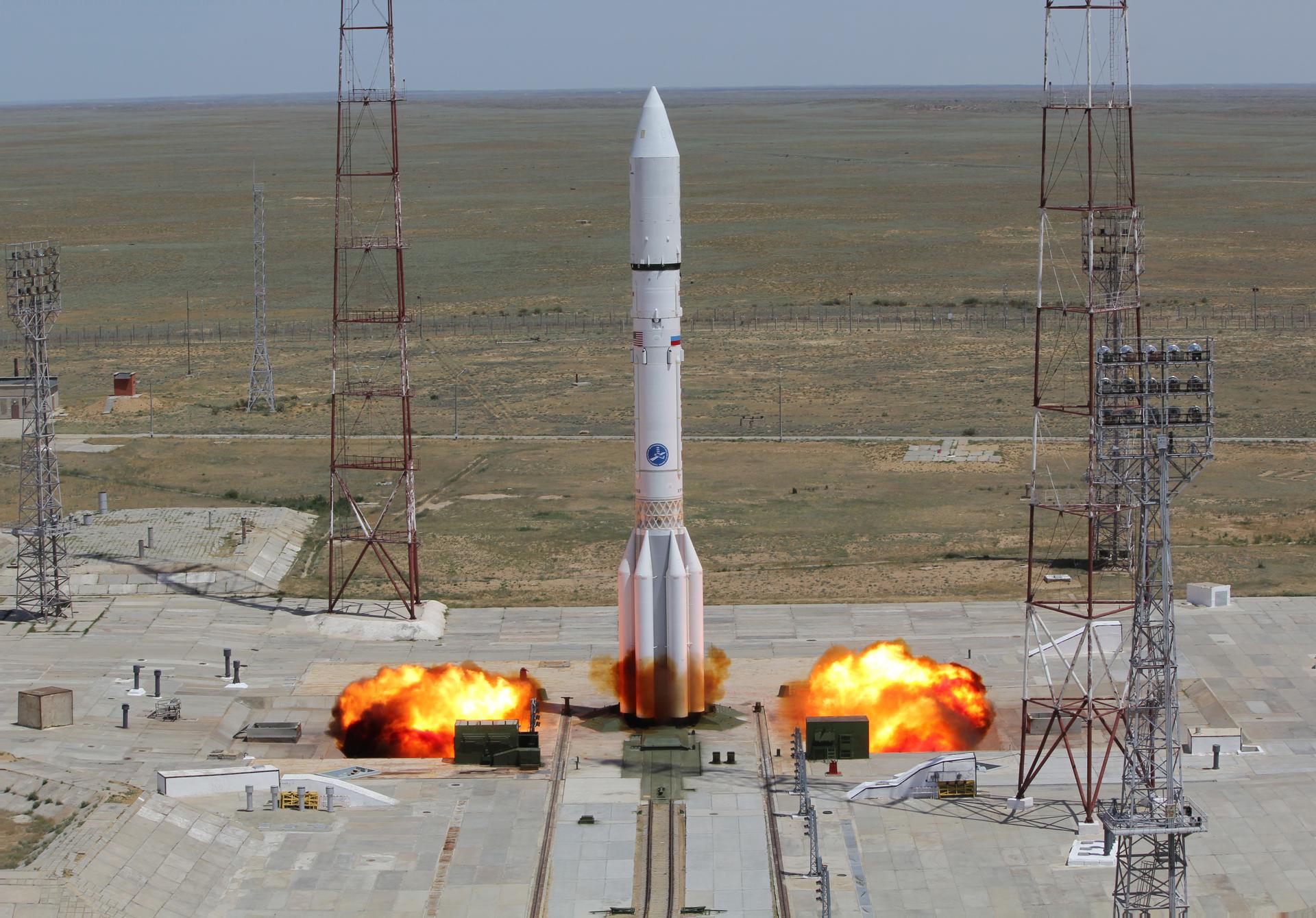
- Elektro-L No.5 from Baikonur Cosmodrome, Republic of Kazakhstan (08:56 UTC) Elektro-L is a series of meteorological satellites designed for real-time imaging of clouds and Earth’s surface, among other purposes.
Note: Launch dates and times are subject to change due to technical or weather considerations.

Maurice Stellarski