· space brief · 5 min read
Pentagon Seeks Commercially Built GEO Spy Satellites | KeepTrack Space Brief
Pentagon's DIU seeks commercial partners for GEO spy satellites. SpaceX unveils space traffic management system. Bahamas rocket landings resume. GPS III falls short in modern warfare.
📰Top Stories
Pentagon Eyes Commercial GEO Spy Satellite Solutions
The Pentagon’s Defense Innovation Unit is seeking commercial partners to build and operate geostationary (GEO) spy satellites. This move aims to bolster national security capabilities while potentially reducing costs by leveraging commercial technology. The initiative plans for companies to manage these satellites initially, with government takeover envisioned within three years.
Read the full story: SpaceNews
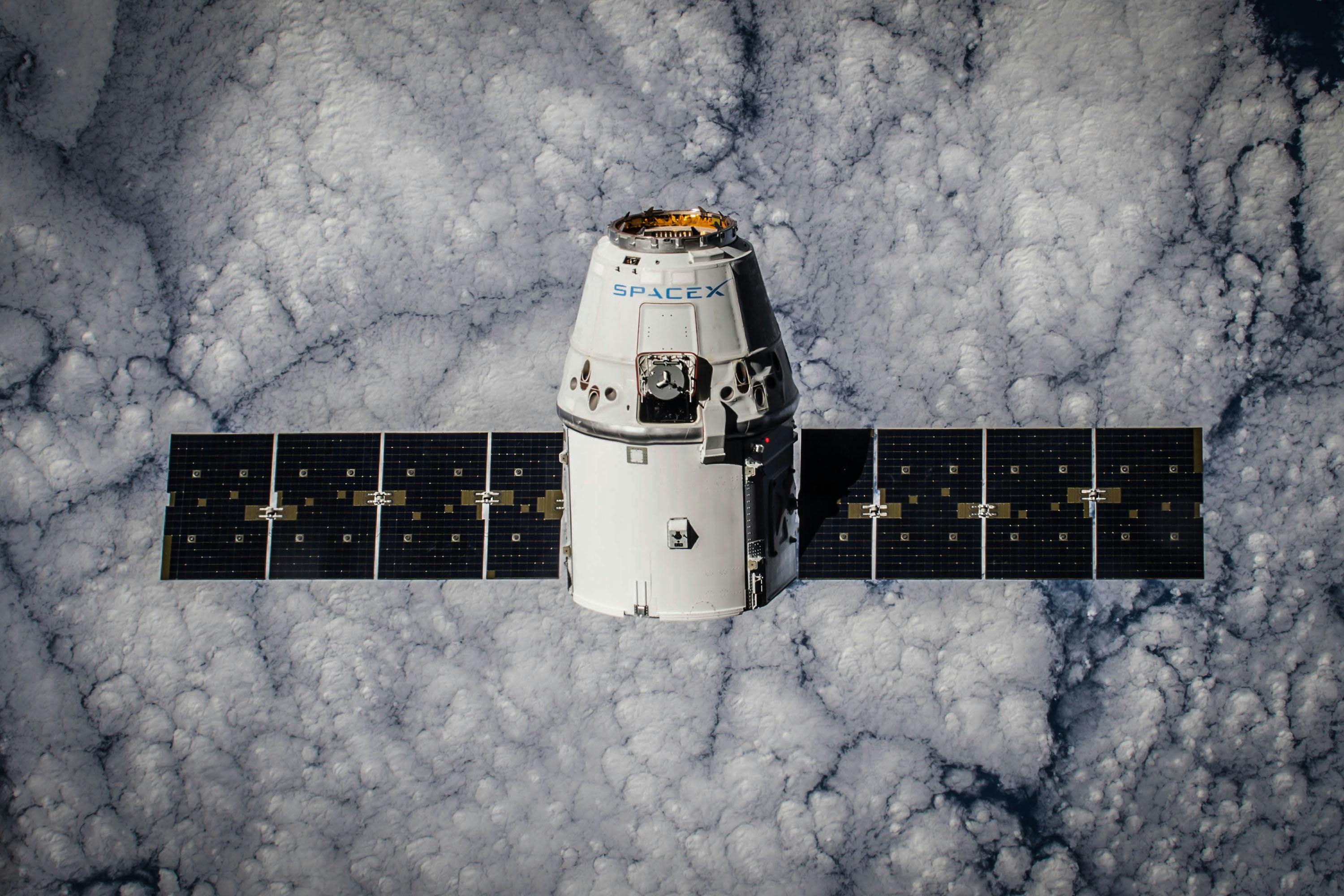
SpaceX Unveils Revolutionary Space Traffic Management System
In a bid to enhance orbital safety, SpaceX has introduced a new system for managing space traffic. This initiative seeks to coordinate satellite movements and mitigate the growing challenge of space debris. The system promises improved safety measures, requiring users to agree to strict operational guidelines, drawing attention from various industry stakeholders.
Read the full story: SpaceNews
SpaceX to Resume Rocket Landings in The Bahamas
After halting operations due to a Starship test flight incident, SpaceX has been permitted to resume rocket landings in The Bahamas. This comes as a relief following last year’s mishap, which resulted in scattered debris. The resumption marks a critical step toward maintaining seamless and efficient payload recovery procedures.
Read the full story: Space.com
New Directions for U.S. Naval Autonomous Systems
The U.S. Navy is considering the establishment of a new command dedicated to overseeing robotic and autonomous systems. This move, aligned with the military’s push towards unmanned technologies, would facilitate cross-domain coordination, strengthening defense capabilities while enhancing operational efficiency and adaptability.
Read the full story: Breaking Defense
Challenges Persist for GPS III in Modern Warfare
As the final satellite of the GPS III program prepares for launch, questions arise about its adequacy in meeting modern military requirements. Despite enhancements in accuracy and anti-jamming capabilities, the technology may not fully address the dynamic challenges posed by contemporary warfare conditions, highlighting the need for ongoing innovation in positioning, navigation, and timing systems.
Read the full story: SpaceNews
Estonia to Boost Local CV90 Production for Defense Needs
Estonia is pushing for local production of the CV90 fighting vehicle to fill gaps in its defense supply chain. Estonian Defense Minister Hanno Pevkur emphasized the country’s readiness to support Hägglunds, the vehicle’s manufacturer, by stepping into the production line. This strategic move aims to enhance national defense capabilities and ensure reliable supply amidst regional tensions.
Read the full story: Breaking Defense
🛰️Satellite Spotlight
- Satellite Name: GALAXY 16 (G-16)
- NORAD ID: 29236
- Launch Date: June 18, 2006
- Mission: The Galaxy 16 satellite serves as a communication platform, providing essential services for television broadcasting, internet, and data transmission.
- Orbit: GEO (Geostationary Orbit)
- Operator: PanAmSat (PAN)
- Fun Fact: Galaxy 16 was designed with 24 C-band and 24 Ku-band transponders, making it a robust option for modern communication needs.
Track this satellite in real-time on our web app: Track Galaxy 16 (G-16)
🌌Space Weather
Next 24 Hours
-
Radio Blackouts Probability
- Minor: 10
- Major: 1
- Risk: None
-
Solar Radiation
- Probability: 1
- Risk: None
-
Geomagnetic Storming
- Scale: 0
- Impact: none
- Activity: Low
-
Impact Summary
- Next 24 hours: No risk of radio blackouts or solar radiation storms.
- Geomagnetic outlook: No G1 (Minor) or greater geomagnetic storms are expected, providing a stable environment for satellite operators.
- No significant transient or recurrent solar wind features forecasted, which should minimize disruptions to satellite communications and ground-based radar operations.
- Solar activity levels are low, with only a slight chance of M-class flares, ensuring limited impact on satellite systems.
Long Term Forecast
- Impact Summary
- Forecast of Solar and Geomagnetic Activity (16 February - 14 March 2026):
- Solar activity is expected to remain low, but a slight chance for M-class flares exists from 16-21 Feb, which could affect radio communications temporarily.
- Anticipate an increase in activity with M-class flares and a chance for X-class flares from 22 Feb to 07 Mar as old Region 4366 comes into view, potentially impacting satellite operations and communications.
- After the peak activity, levels are expected to decrease, but some M-class flares may occur during the transit of Region 4366, posing intermittent risks to satellites.
- Proton flux levels are likely to remain below minor storm levels outside of the specified dates, reducing radiation concerns for satellites.
- Geomagnetic conditions may reach unsettled to active levels intermittently, suggesting possible fluctuations in satellite drag and operational stability.
Upcoming Space Launches
February 19
- SpaceX Falcon 9:
- Starlink Group 10-36 from Cape Canaveral SFS, Florida, USA (22:00 UTC) A batch of 29 satellites for the Starlink mega-constellation - SpaceX’s project for space-based Internet communication system. First Starlink launch to feature a Falcon 9 booster landing within The Bahamas waters operationally.
February 21
- SpaceX Falcon 9:
- Starlink Group 17-25 from Vandenberg Space Force Base, California, USA (08:00 UTC) A batch of 25 satellites for the Starlink mega-constellation - SpaceX’s project for space-based Internet communication system.
February 22
- SpaceX Falcon 9:
- Starlink Group 6-104 from Cape Canaveral SFS, Florida, USA (02:04 UTC) A batch of 28 satellites for the Starlink mega-constellation - SpaceX’s project for space-based Internet communication system.
February 23
- Rocket Lab HASTE:
- That’s Not A Knife (DART AE) from Wallops Flight Facility, Virginia, USA (20:00 UTC) Payload is a scramjet-powered hypersonic vehicle developed by the Australian company Hypersonix.
February 24
-
SpaceX Falcon 9:
- Starlink Group 17-26 from Vandenberg SFB, California, USA (14:00 UTC) A batch of 25 satellites for the Starlink mega-constellation - SpaceX’s project for space-based Internet communication system.
-
SpaceX Falcon 9:
- Starlink Group 6-110 from Cape Canaveral SFS, Florida, USA (20:56 UTC) A batch of 29 satellites for the Starlink mega-constellation - SpaceX’s project for space-based Internet communication system.
February 25
- Space One KAIROS:
- Flight 3 from Spaceport Kii, Japan (02:00 UTC) Third flight of the KAIROS launch vehicle with 4 satellites on board: TATARA-1R, SC-Sat1a, HErO, and AETS-1.
February 27
- SpaceX Falcon 9:
- Starlink Group 6-108 from Cape Canaveral SFS, Florida, USA (09:52 UTC) A batch of 29 satellites for the Starlink mega-constellation - SpaceX’s project for space-based Internet communication system.
February 28
-
China Aerospace Science and Technology Corporation Long March 7A:
- Unknown Payload from Wenchang Space Launch Site, People’s Republic of China (00:00 UTC) Details TBD.
-
Skyroot Aerospace Vikram-I:
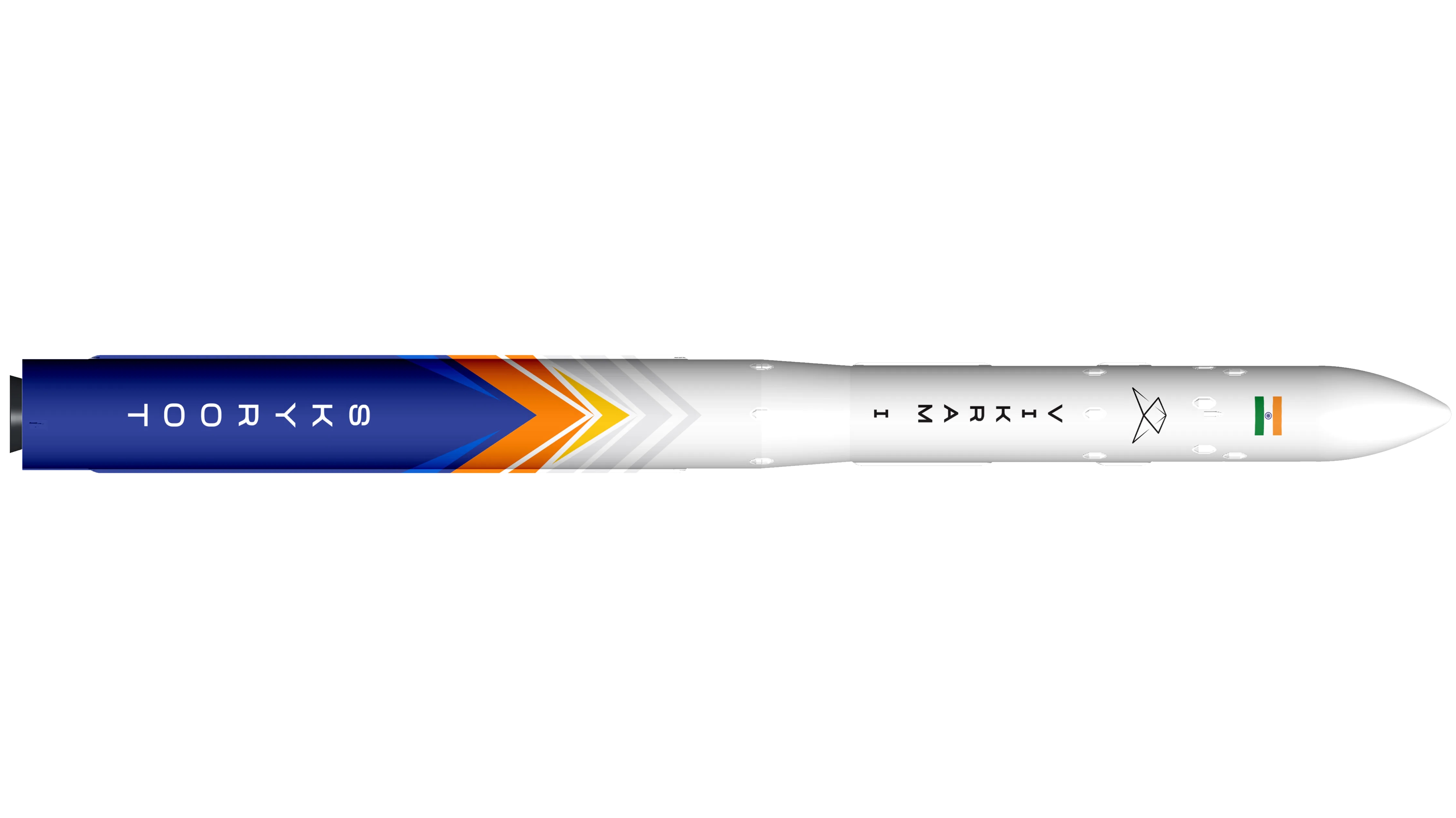
- Demo Flight from Satish Dhawan Space Centre, India (00:00 UTC) First launch of Skyroot Aerospace’s Vikram-I launch vehicle, with several cubesats on board. Payload identities TBD.
Note: Launch dates and times are subject to change due to technical or weather considerations.

Maurice Stellarski