· x report · 2 min read
X Report 16 Apr 2025
SpaceX gears up for another busy week with a Falcon 9 launch to the ISS while Vast Space expands its Haven-1 payload roster.

🚀 Latest Developments
This week, SpaceX is set to launch a Falcon 9 carrying cargo to the International Space Station (ISS), marking another milestone in its delivery schedule. Meanwhile, Vast Space continues to progress its commercial space station, Haven-1, signing new research partners and eyeing a 2026 launch with SpaceX.
📰 Detailed Coverage
SpaceX Falcon 9 to Launch Cargo to ISS
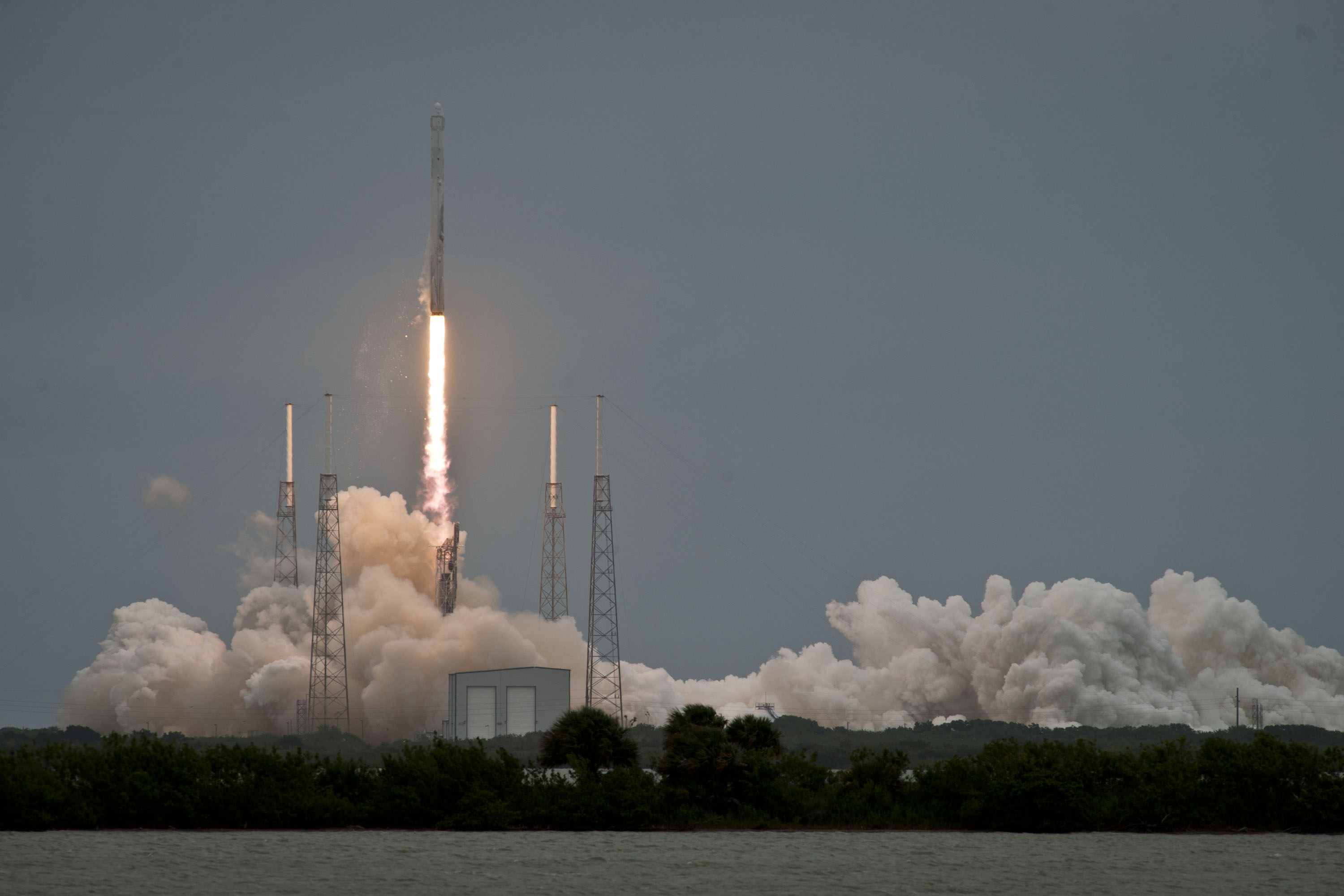
In an anticipated event, SpaceX is scheduled to launch a Falcon 9 rocket carrying essential cargo supplies to the ISS. This mission, part of SpaceX’s ongoing commitment to support NASA and international collaborations, illustrates the dynamic cadence of launches in the commercial spaceflight sector. The cargo includes scientific experiments and vital equipment for ongoing research aboard the station, showcasing SpaceX’s role in facilitating advancements in space science.
The launch aligns with SpaceX’s strategic goals to maintain a steady rhythm of missions and bolster its reputation as a reliable partner for ISS resupply missions. This comes during a relatively slower global launch week, spotlighting SpaceX’s operational efficiency.
Read the full story: NASASpaceFlight.com
Vast Expands Haven-1 Payload Partnerships
Vast Space announced new partnerships with Japan Manned Space Systems Corporation, Interstellar Lab, and Exobiosphere for its Haven-1 commercial space station. These agreements are part of efforts to establish a robust commercial presence in low Earth orbit, leveraging SpaceX’s proven launch capabilities for a planned 2026 deployment aboard a Falcon 9. The collaborations focus on deploying scientific experiments that promise to advance human understanding of space environments and biotechnology.
This strategic partnership highlights the growing commercial interest in space station modules and low Earth orbit activities, as Vast Space positions itself against competitors like Axiom Space. With SpaceX’s track record in launching complex payloads, Haven-1’s development is likely to benefit from reduced costs and increased reliability.
Read the full story: Space Explored
📊 Starlink Status
- Total Launched: 8316
- Total On Orbit: 7245
- Total Working: 7218
Track Starlink satellites in real-time on our web app: Track Starlink

B1049