· x report · 3 min read
Starlink V2: 100x Faster, 5G Direct-to-Phone for Europe | KeepTrack X Report
SpaceX's Starlink V2 promises 100x data density for 5G direct-to-phone service. Deutsche Telekom targets 10 European countries by 2028.

🚀 Latest Developments
SpaceX’s next-generation Starlink V2 satellites will deliver up to 100 times the data density of the current system, enabling genuine 5G direct-to-smartphone service — with Deutsche Telekom signing on to bring the technology to 10 European countries by 2028. On the launch front, SpaceX executed bicoastal Falcon 9 missions on March 1, deploying 54 Starlink satellites from both Vandenberg and Cape Canaveral in a single day. SpaceX also drew attention with its newly unveiled Stargaze service, which uses star tracker cameras on Starlink satellites to track objects in orbit — a potential disruption to the space situational awareness market.
📰 Detailed Coverage
Starlink V2 to Deliver 5G Direct-to-Phone Across Europe by 2028
Deutsche Telekom has announced plans to deliver Europe’s first direct-to-smartphone satellite service by 2028, powered by SpaceX’s next-generation Starlink V2 satellites. The partnership will span 10 countries and use Mobile Satellite Services (MSS) spectrum to bring connectivity to remote and rural regions that traditional cellular infrastructure cannot economically reach.
SpaceX has stated that Starlink V2 satellites will deliver up to 100 times the data density of the current first-generation system, enabling 5G-class speeds directly to compatible smartphones with no specialized hardware required. For satellite tracking enthusiasts, this means a new wave of significantly more capable V2 satellites entering orbit over the coming years.
Read the full story: SpaceNews
SpaceX Deploys 54 Starlink Satellites in Bicoastal Double Launch
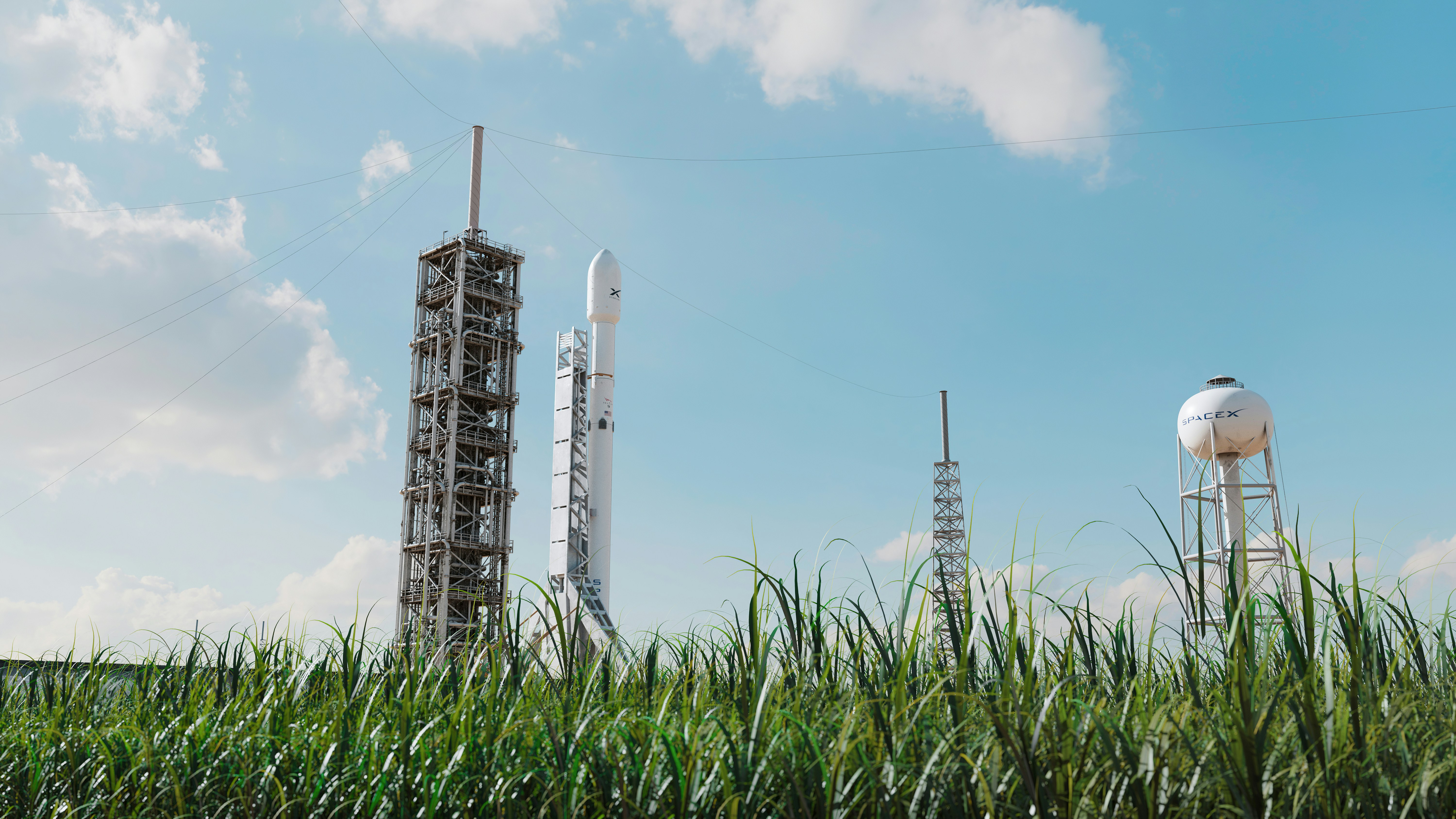
On March 1, SpaceX completed a clean bicoastal launch day, sending 54 Starlink satellites to low Earth orbit across two Falcon 9 missions. Booster B1078 lifted off from Cape Canaveral Space Force Station in Florida, while B1082 launched from Vandenberg Space Force Base in California — both completing successful drone ship landings.
This dual-launch cadence reflects the industrial scale at which SpaceX now operates its Starlink constellation. Both batches are currently in their orbital raising phases and will gradually disperse into their operational shell altitudes over the coming weeks.
Read the full story: Space.com
SpaceX’s Stargaze Could Disrupt the Space Situational Awareness Market
SpaceX has entered the space situational awareness (SSA) field with Stargaze, a new service announced in late January that repurposes star tracker cameras aboard Starlink satellites to detect and track objects in orbit. By leveraging data from its constellation of nearly 7,000 operational satellites, SpaceX has a unique vantage point that ground-based tracking systems cannot match.
The move has significant implications for both the commercial SSA industry and government space surveillance programs. With thousands of sensors already in orbit, Stargaze could offer near-real-time tracking data at a scale and resolution that competitors would struggle to replicate — a development worth watching closely for anyone in the satellite tracking community.
Read the full story: SpaceNews
Week Ahead: Four Falcon 9 Missions and Japan’s Kairos on Deck
This week features at least five launches, with Falcon 9 scheduled for four missions continuing the Starlink constellation buildout. Japan’s Space One will also attempt a launch of its Kairos small rocket, adding international variety to a packed launch calendar.
Four Falcon 9 flights in a single week means multiple new orbital insertion events for satellite trackers to follow. SpaceX continues to outpace every other launch provider on the planet in 2026, maintaining a cadence that shows no signs of slowing.
Read the full story: NASASpaceFlight
📊 Starlink Status
- Total Launched: 11434
- Total On Orbit: 9906
- Total Working: 9896
Track Starlink satellites in real-time on our web app: Track Starlink

B1049