· deep dive · 8 min read
Esrange Spaceport
Europe's bid to break free from the US launch monopoly. How Sweden's Esrange Space Center is transforming access to space, enabling orbital launches, and strengthening strategic independence for the continent.
Can Sweden’s Arctic Spaceport Break America’s Launch Monopoly?
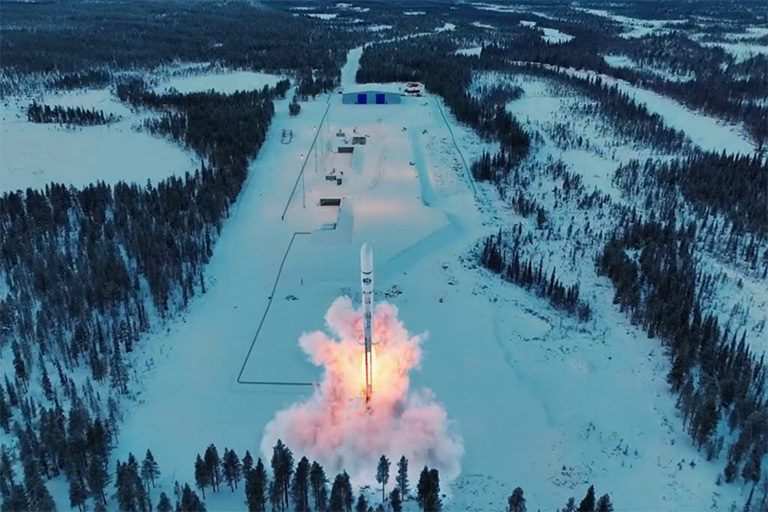
For six decades, Sweden’s Esrange Space Center has been launching sounding rockets into the Arctic sky, a niche player in Europe’s space ecosystem. Now, with American partners and a fresh Technology Safeguards Agreement in hand, the facility 200 kilometers north of the Arctic Circle is betting it can become something much bigger - Europe’s first credible alternative to dependence on American launch sites.
We all like an underdog story, but that’s a tall order for a spaceport that’s never put anything into orbit.
The June 20th signing of a Technology Safeguards Agreement between Sweden and the United States removes the final regulatory hurdle for American companies to export rocket technology to Swedish soil. For Firefly Aerospace, it means their Alpha rocket can finally launch from somewhere other than the increasingly crowded Vandenberg Space Force Base in California. For Sweden, it’s validation of a decade-long push to transform Esrange from a scientific curiosity into a commercial launch facility.
But whether Europe actually needs another spaceport - or whether Esrange can compete with established players - remains an open question.
Why Geography Still Matters in the Rocket Business
Esrange’s sales pitch starts with location. Situated in Sweden’s Lapland region, the facility offers something American launch sites can’t - easy access to polar and sun-synchronous orbits without flying over populated areas.
“It is in Europe and it’s perfect for sending out rockets with satellites,” Charlotta Sund, CEO of Swedish Space Corporation (SSC), told Euronews. That’s marketing speak, but there’s substance behind it. Satellites bound for Earth observation or reconnaissance missions often need polar orbits, and launching north from Sweden is more efficient than the complex orbital maneuvers required from Florida’s east coast.
The math works, but the market test is different. European satellite operators have managed just fine launching from French Guiana for decades. Convincing them to switch to an unproven Arctic facility will require more than orbital mechanics - it’ll require price, reliability, and timing that established launch providers can’t match.
Firefly’s European Gambit
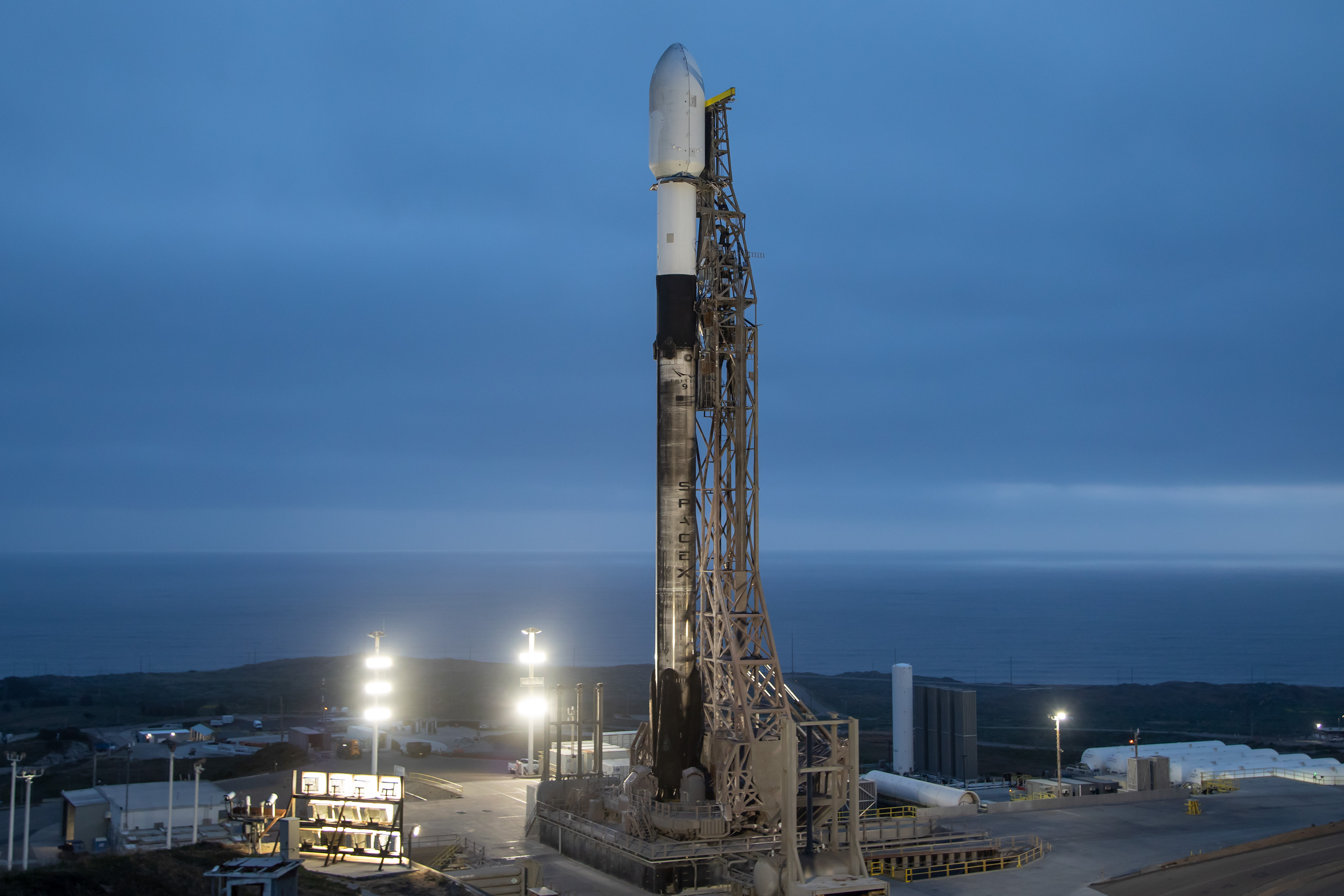
For Firefly Aerospace, Esrange represents a solution to a California problem. Adam Oakes, the company’s Vice President of Launch, has been blunt about the “traffic jam” at Vandenberg, where all six of Firefly’s Alpha launches have originated. The company wants geographic diversity, and Sweden offers that along with access to European customers who might prefer not shipping sensitive satellites across the Atlantic.
The Alpha rocket can carry 1,030 kg to low-Earth orbit - a decent payload for the small satellite market, though hardly revolutionary. Firefly has managed six launches with mixed results, including a partial mission failure in April that’s still under investigation. Not exactly the sterling track record you’d want when pitching nervous European customers on a new launch site.
Still, Firefly’s partnership with SSC - the Swedish SSC not the Space Force SSC - has momentum. Infrastructure development at Launch Complex 3C is progressing, with tracking systems, security facilities, and a Launch Control Center already in place. The inaugural Alpha launch from Sweden is scheduled for late 2026 or early 2027 - assuming no technical setbacks or regulatory delays.
The South Korean Wild Card
While Firefly brings orbital experience, Swedish Space Corporation hedged its bets with Perigee Aerospace, a South Korean startup promising cut-rate launches. Perigee’s Blue Whale 1 rocket is designed to carry 200 kg to sun-synchronous orbit for $20,000 per kilogram - a price point that would undercut most established providers if they can deliver.
The catch? Blue Whale 1 hasn’t flown yet. The rocket’s maiden orbital launch was originally slated for July 2020, but that schedule slipped. As of a recent summary, Perigee expected a suborbital test flight in May 2024 and an orbital debut in late 2024, but even the suborbital mission has now been postponed to 2025. Perigee’s official roadmap shows flight testing beginning in early 2025, with commercial launches planned for 2026.
Perigee represents the kind of international partnership that makes commercial sense but adds complexity. The two companies plan to share payload space on Blue Whale 1 missions, splitting customer bases and potentially creating coordination headaches. It’s an innovative approach, but one that hasn’t been tested at scale.
Europe’s Expensive Independence Project
The push for European launch independence has been building since the Trump administration’s “America First” policies highlighted the risks of foreign dependence. The problem is that independence comes with costs, and it’s unclear whether European governments and companies are willing to pay premium prices for the privilege of launching from European soil.
Today, Europe has exactly one operational orbital launch site: the Guiana Space Centre in French Guiana. That’s thousands of miles from European industry centers and limits responsive launch capabilities. But it’s also proven, reliable, and integrated with decades of European space operations.
Esrange offers geographic convenience, but convenience doesn’t automatically translate to market demand. European satellite operators will need compelling reasons-whether price, schedule, or capability-to abandon established supply chains for an Arctic startup operation.
The NATO Angle
Sweden’s March 2024 NATO membership adds a strategic dimension that pure commercial logic can’t capture. NATO allies want responsive launch capabilities for military satellites, and relying entirely on American facilities creates obvious dependencies.
According to Firefly, the Alpha rocket deployed a U.S. Space Force satellite on 24-hour notice in September 2023. That kind of rapid response capability from European soil would be valuable for NATO operations, potentially justifying higher costs that commercial customers might reject.
The question is whether military demand alone can sustain a launch facility. Defense contracts provide stability but limited growth potential. Esrange will need commercial success to reach the scale necessary for long-term viability.
Competition from Unexpected Places
Sweden isn’t the only European country with orbital ambitions. Scotland’s SaxaVord Spaceport, Norway’s Andøya Space Center, and proposed facilities in Portugal, Spain, and Germany are all vying to become Europe’s preferred launch destination.
That competition benefits customers but raises questions about market fragmentation. Can Europe support multiple orbital launch facilities when the entire continent currently manages with one? The math suggests some of these projects will fail, leaving investors and governments with expensive infrastructure and limited demand.
Esrange has advantages - decades of operational experience, government backing, and established partnerships - but success isn’t guaranteed. The facility’s 60-year history with sounding rockets provides operational expertise but little insight into the complexities of orbital launch operations.
The Reusability Test
The space industry’s future increasingly depends on reusable rockets, and Esrange is positioning itself for that transition. ArianeGroup’s Themis reusable rocket demonstrator arrived at the facility in June 2025 for vertical takeoff, vertical landing tests - Europe’s first attempt at SpaceX-style rocket reusability.
These tests matter because reusable rockets dramatically reduce launch costs, but they also require extensive downrange recovery areas. Sweden’s wilderness provides space for landing zones that crowded European countries can’t offer.
Whether Esrange can successfully host reusable rocket operations remains to be proven. The facility has space and infrastructure, but reusability testing involves risks that sounding rocket operations never posed.
Realistic Timelines?
Swedish Space Corporation expects the first orbital launch from Esrange in late 2025, with regular operations ramping up over the following years. Those timelines assume perfect execution from multiple international partners, regulatory approval processes, and rocket development programs that haven’t always stayed on schedule.
Perigee’s Blue Whale 1 needs a successful test flight from South Korea before any Swedish operations. Firefly’s Alpha requires resolution of April’s mission investigation and continued operational success from Vandenberg. Infrastructure at Esrange must be completed and certified for orbital operations.
Any one of those elements could delay the timeline. All of them need to work for Esrange to meet its ambitious schedule. Space industry veterans know that launch facility development typically takes longer and costs more than initial projections suggest.
The Bottom Line
Esrange represents Europe’s most credible attempt at launch independence, but credible doesn’t guarantee successful. The facility has government support, international partnerships, and favorable geography. It also has unproven rockets, untested operational procedures, and uncertain market demand.
Success will depend on execution across multiple complex technical and business challenges. Failure could set back European launch independence for years while leaving Swedish taxpayers with an expensive Arctic monument to space ambitions.
The first orbital launch from Esrange will answer some of these questions. Until then, Europe’s space independence remains more aspiration than reality.
References
- Technology Safeguards Agreement Enables Firefly Launches from Sweden - SpaceNews
- Sweden’s Arctic Spaceport Moves One Step Closer to Orbital Launches - Space.com
- SSC and Firefly Progress Towards Orbital Launch from Esrange Following TSA Signing - Firefly Aerospace
- Sweden Signs Agreement with US on Advanced Space Technology - Government.se
- Sweden’s Arctic Spaceport Gearing Up to Launch First Satellites from Mainland Europe - Euronews
- Esrange - Wikipedia
- Deep in Swedish Forest, Europe’s Hope for Space Competition - Rochester First

Theodore Kruczek