


· space · 4 min read
Starlink Update: March 2024
As of March 2024, SpaceX's Starlink has made remarkable strides in its quest to provide global broadband internet access. With an astounding number of satellites already in orbit and ambitious plans for expansion, Starlink is on track to dominate Earth's orbit in the coming years.
The Rapid Expansion of Starlink
SpaceX’s Starlink satellite internet constellation has experienced extraordinary growth since its inception. As of March 25, 2024, the company has successfully launched and deployed 5,291 satellites into low Earth orbit (LEO), consisting of:
- 3,600 Generation 1 Starlink satellites
- 1,691 Generation 2 Starlink satellites
The Generation 1 satellites are part of SpaceX’s initial plan to establish a constellation of 11,926 satellites. With 3,600 already in orbit, SpaceX is making significant progress toward their target. The company has set an ambitious goal to have all 11,926 Generation 1 satellites in orbit by November 2027, and they have consistently exceeded their target dates by more than 18 months.
The Generation 2 Starlink satellites represent the next phase of SpaceX’s plan. They aim to launch a total of 10,080 Generation 2 satellites, with a target of having half of them in orbit by December 1, 2028. As of now, 1,691 have already been deployed.
The Future Dominance of Starlink in Earth’s Orbit
SpaceX’s long-term vision for Starlink is truly impressive. By December 1, 2028, they aim to have nearly 17,000 Starlink satellites orbiting the Earth, more than triple the number currently in orbit. As Starlink continues to grow, it is rapidly becoming the dominant presence in Earth’s orbit.
According to the United States Space Force (USSF) catalog, there are currently 25,968 objects in orbit around Earth as of March 25, 2024. Remarkably, Starlink satellites account for one out of every five of these objects. If other entities were to halt launching satellites, SpaceX’s Starlink would constitute more than half of all objects in Earth’s orbit within the next four years.
The Advanced Technology Behind Starlink Satellites
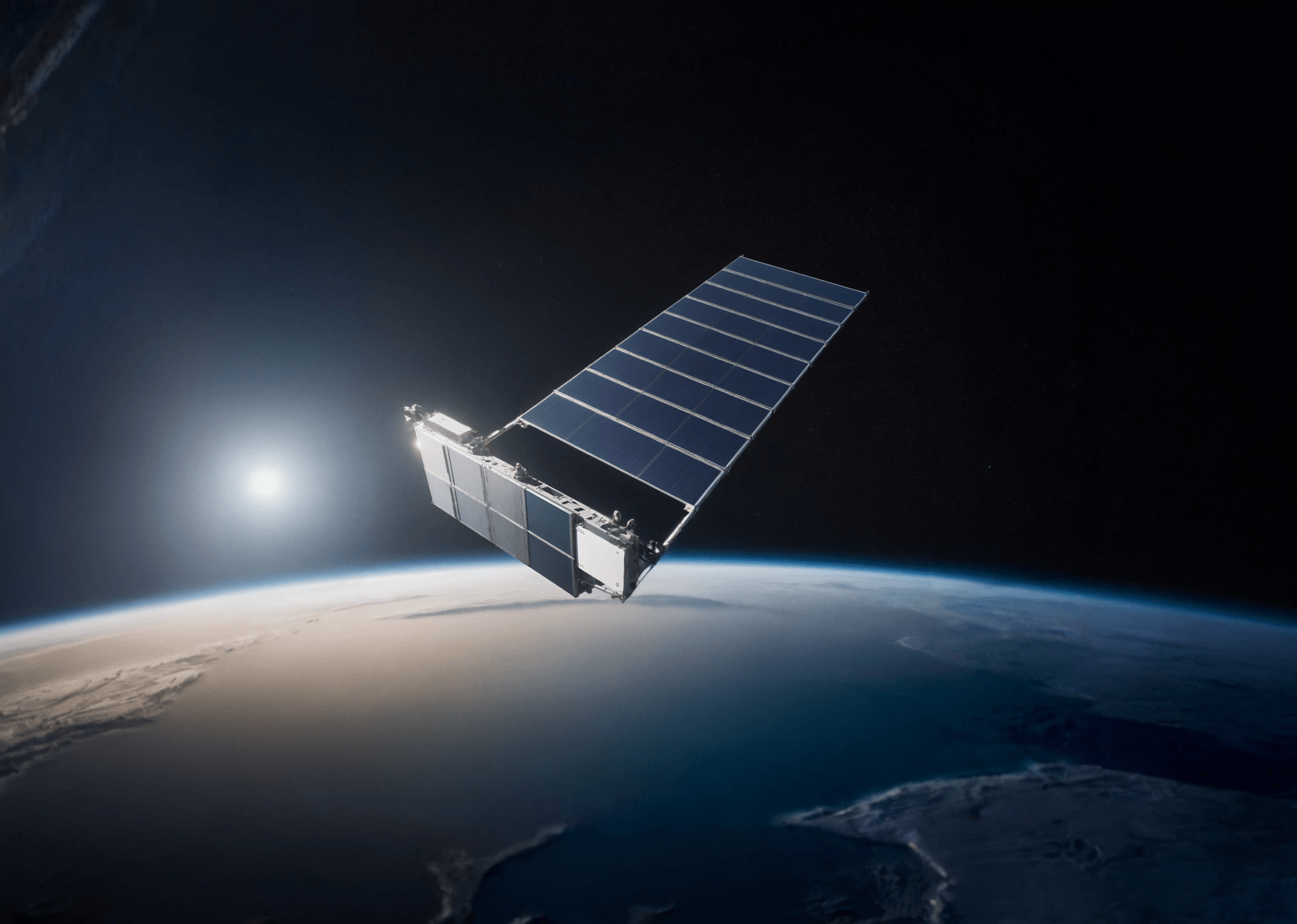
Starlink satellites are designed to provide efficient and reliable broadband internet access to users globally. Each satellite features:
- Flat panel design with a single solar array
- Weight of approximately 260 kg
- Advanced technologies such as optical inter-satellite links, phased array beam forming, and digital processing technologies
- Operation in the Ku and Ka frequency bands for high-speed, low-latency internet connectivity
SpaceX has implemented innovative propulsion systems in these satellites, utilizing krypton-fueled Hall thrusters for orbit adjustment, maintenance, and deorbiting. The satellites are designed to autonomously avoid collisions based on uplinked tracking data, ensuring the safety and sustainability of the constellation.
Strategic Orbital Placement and Deorbiting
Starlink satellites are strategically distributed across multiple orbits to optimize coverage and performance:
- The first 1,584 Starlink satellites are positioned in a 550 km orbit
- Later sub-constellations are planned for 1,200 km and 340 km orbital altitudes
This strategic placement allows Starlink to provide comprehensive coverage while minimizing latency.
At the end of their operational life, Starlink satellites are designed to be actively deorbited, performing a controlled reentry into Earth’s atmosphere. SpaceX estimates that 95% of each satellite’s material will burn up during reentry, minimizing space debris and ensuring the sustainability of the space environment.
Efficient Launch and Deployment Capabilities
To achieve the rapid deployment of Starlink satellites, SpaceX has optimized its launch capabilities:
- 60 satellites can be stacked and launched inside the payload fairing of a Falcon 9 Block 5 rocket
- Plans for an enlarged fairing to accommodate even more satellites per mission
- Development of the Starship, a fully reusable launch vehicle capable of carrying larger payloads, further accelerating the deployment of future Starlink satellites
The Bottom Line
As of March 25, 2024, SpaceX’s Starlink has made remarkable progress in its mission to provide global broadband internet access. With 5,291 satellites already in orbit and ambitious plans for further expansion, Starlink is well-positioned to become the dominant presence in Earth’s orbit.
SpaceX’s advanced satellite technologies, strategic orbital placement, and efficient launch capabilities have set Starlink apart in the industry. As the company continues to push the boundaries of space technology and innovation, Starlink’s impact on global connectivity and the space industry is expected to be profound and far-reaching.

Theodore Kruczek


