· x report · 2 min read
X Report 11 Nov 2024
SpaceX to launch Koreasat-6A on a record-tying Falcon 9 flight, and 24 Starlink satellites later today.

🚀 Latest Developments
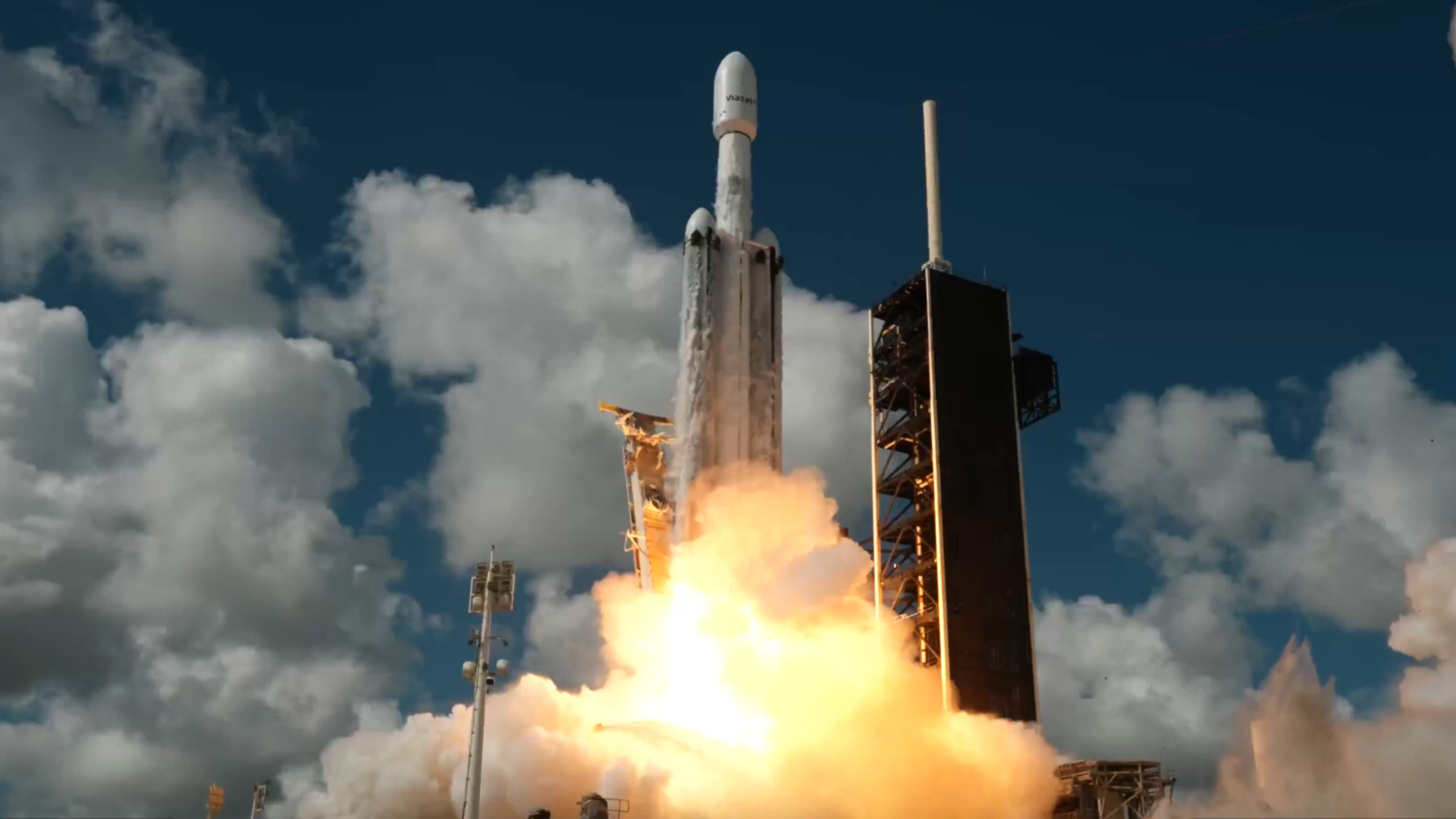
Today, SpaceX’s Falcon 9 will launch the KoreaSat-6A telecom satellite on its 23rd flight, matching the company’s record for reusability. Additionally, SpaceX is set to deploy 24 Starlink satellites later in the day, showcasing its robust launch capabilities from Florida’s Space Coast.
📰 Detailed Coverage
SpaceX Falcon 9 Launches KoreaSat-6A on Record-Tying Flight
In an impressive feat of engineering and reusability, SpaceX will launch the KoreaSat-6A telecommunications satellite today. This mission marks the Falcon 9 rocket’s 23rd flight, equaling SpaceX’s previous record for the most reflown booster, highlighting the company’s commitment to cost-efficiency and sustainability in space exploration.
This milestone underscores SpaceX’s leadership in the industry, as it continually pushes boundaries on booster reusability. For satellite trackers and space enthusiasts, this launch offers another chance to witness SpaceX’s innovative approach to space logistics.
Read the full story: Space.com
Expending the Expendables: Betting on Reusability
The aerospace industry is witnessing a paradigm shift with major launch companies, including SpaceX, increasingly investing in reusable rocket technology. The Starship’s fifth integrated test flight, launched on Oct. 13, exemplifies this trend, despite significant initial skepticism about its feasibility.
SpaceX’s pioneering efforts in reusability have set a benchmark that competitors are now striving to meet. This trend not only reduces costs but also enhances the practicality of frequent space launches, influencing strategic decisions across the industry.
Read the full story: SpaceNews
Live and Scheduled Launches: Koreasat-6A and Starlink
SpaceX enthusiasts have an exciting day ahead with the scheduled liftoff of the Koreasat-6A mission at 12:07 p.m. EST from Kennedy Space Center’s LC-39A. This mission will be closely followed by another Falcon 9 launch carrying 24 Starlink satellites scheduled for 4:02 p.m. EST from Cape Canaveral.
Both launches highlight SpaceX’s operational efficiency and reliability. The Starlink satellites continue to expand the constellation’s global internet coverage, significantly advancing SpaceX’s connectivity objectives and offering abundant tracking opportunities.
Read the full stories: Spaceflight Now and Space.com
📊 Starlink Status
- Total Launched: 7256
- Total On Orbit: 6591
- Total Working: 6538
Track Starlink satellites in real-time on our web app: Track Starlink

B1049