




Space Brief 17 Dec 2025
Today's stories cover Rocket Lab's innovative DiskSat launch, Digantara's expansion to missile defense, and DARPA's satellite surveillance network expansion, among other updates in military and satellite technology.


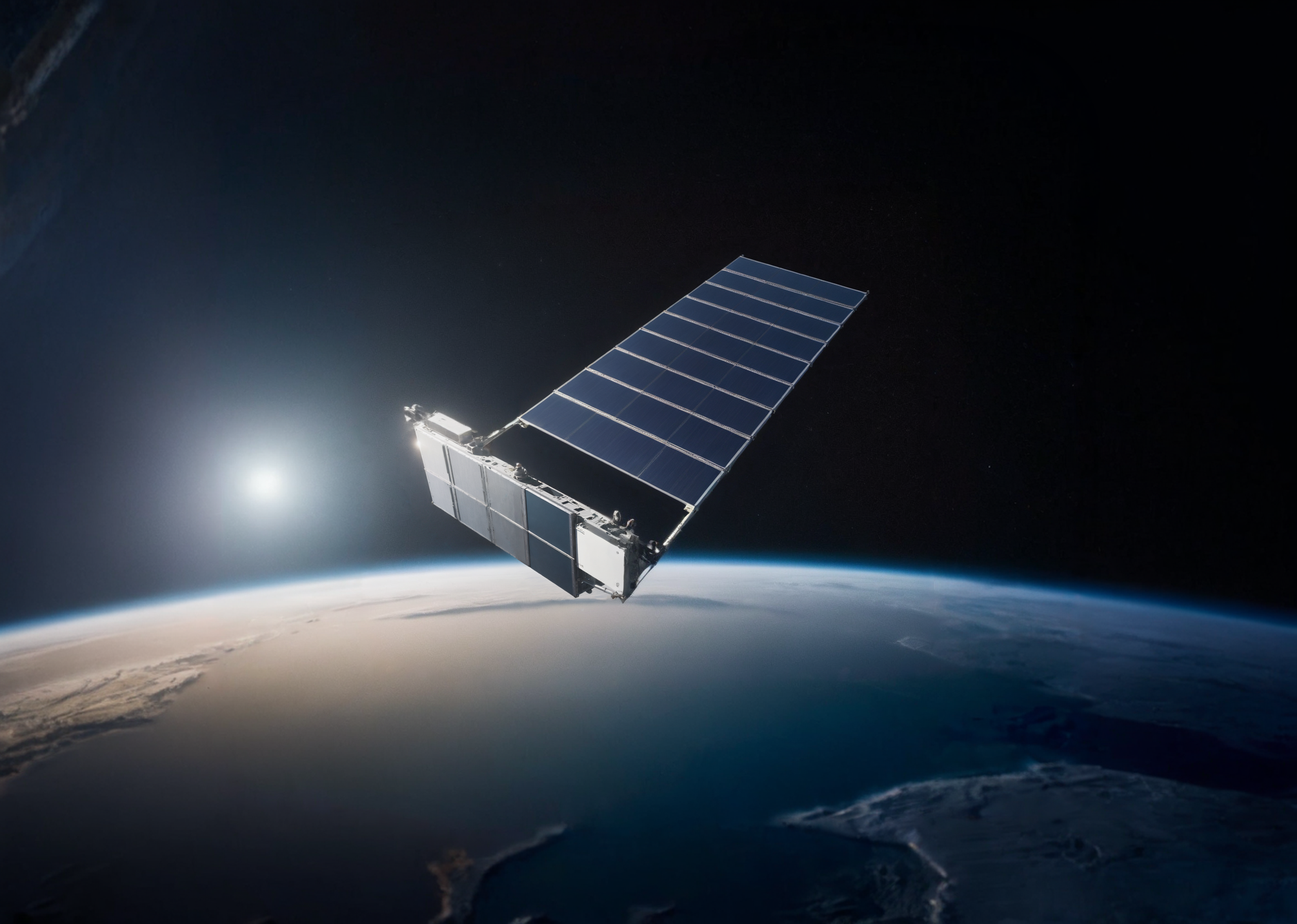
Launch Date
October 6, 2020
Launch Site
Launch Pad
LC39A
Launch Vehicle
NORAD ID
46563
International Designator
2020-070AH
Epoch
Fri, 05 Jun 2026 21:32:43 GMT
Apogee
Calculating...
Perigee
Calculating...
Inclination
53.03°
Right Ascension
57.90°
Eccentricity
Calculating...
Argument of Perigee
175.78°
Period
92.19 min
Mean Motion
15.62 rev/day
Latitude
Calculating...
Longitude
Calculating...
Altitude
Calculating...
Velocity
Calculating...
Name
STARLINK-1730
Alternative Name
Starlink 1730
Type
Status
Owner
SPXS
Country
United States
Constellation
N/A
Related Satellites
Major Events
N/A
1 46563U 20070AH 26156.89772205 .00083503 00000-0 93814-3 0 9990
2 46563 53.0262 57.9003 0000729 175.7767 184.3252 15.61924842313965
Source: Celestrak
Length
0.2
Diameter
2.8
Span
9
Dry Mass
248
Launch Mass
260
Shape
Box + pan
Radar Cross Section
Unknown
Visual Magnitude
Unknown
Color
Unknown
Material Composition
Unknown
Payload
Starlink V1.0-L12-44
Purpose
Communication
Mission
Communication
Manufacturer
SPXS
Life Expectancy
Unknown
Bus
Starlink
Configuration
Unknown
Motor
Krypton ion thrusters
Equipment
Ku/Ka-band payload (all), optical inter-satellite links (a few prototypes)
Power System
Solar arrays, batteries
ADCS
Unknown
Transmitter Frequency
Unknown
Learn more about satellites and other related topics.
Today's stories cover Rocket Lab's innovative DiskSat launch, Digantara's expansion to missile defense, and DARPA's satellite surveillance network expansion, among other updates in military and satellite technology.
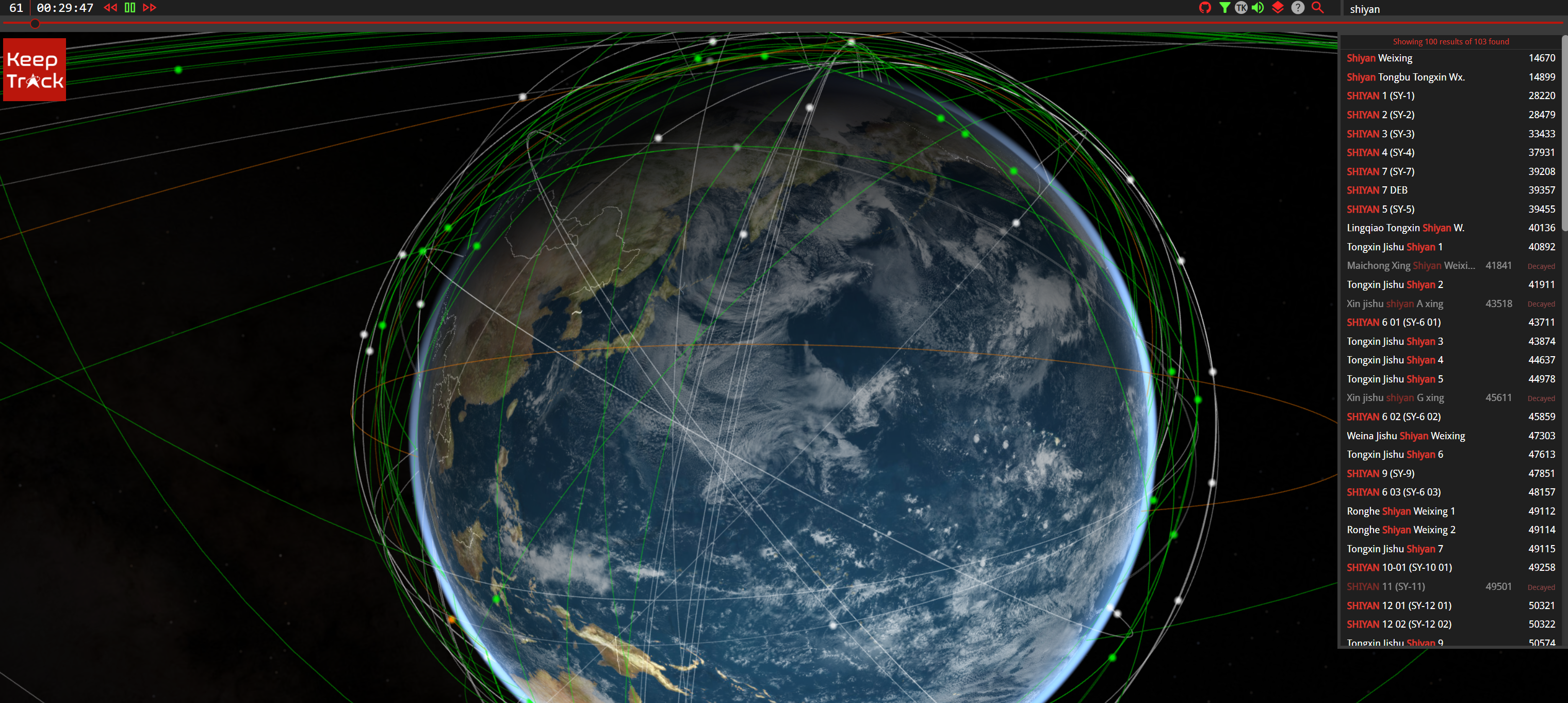
The master ledger of everything orbiting Earth — how tens of thousands of satellites, rocket bodies, and debris fragments are tracked and numbered

SpaceX secures a $178.5M Space Force contract to launch missile-tracking satellites from 2027, deepening its national security launch role.
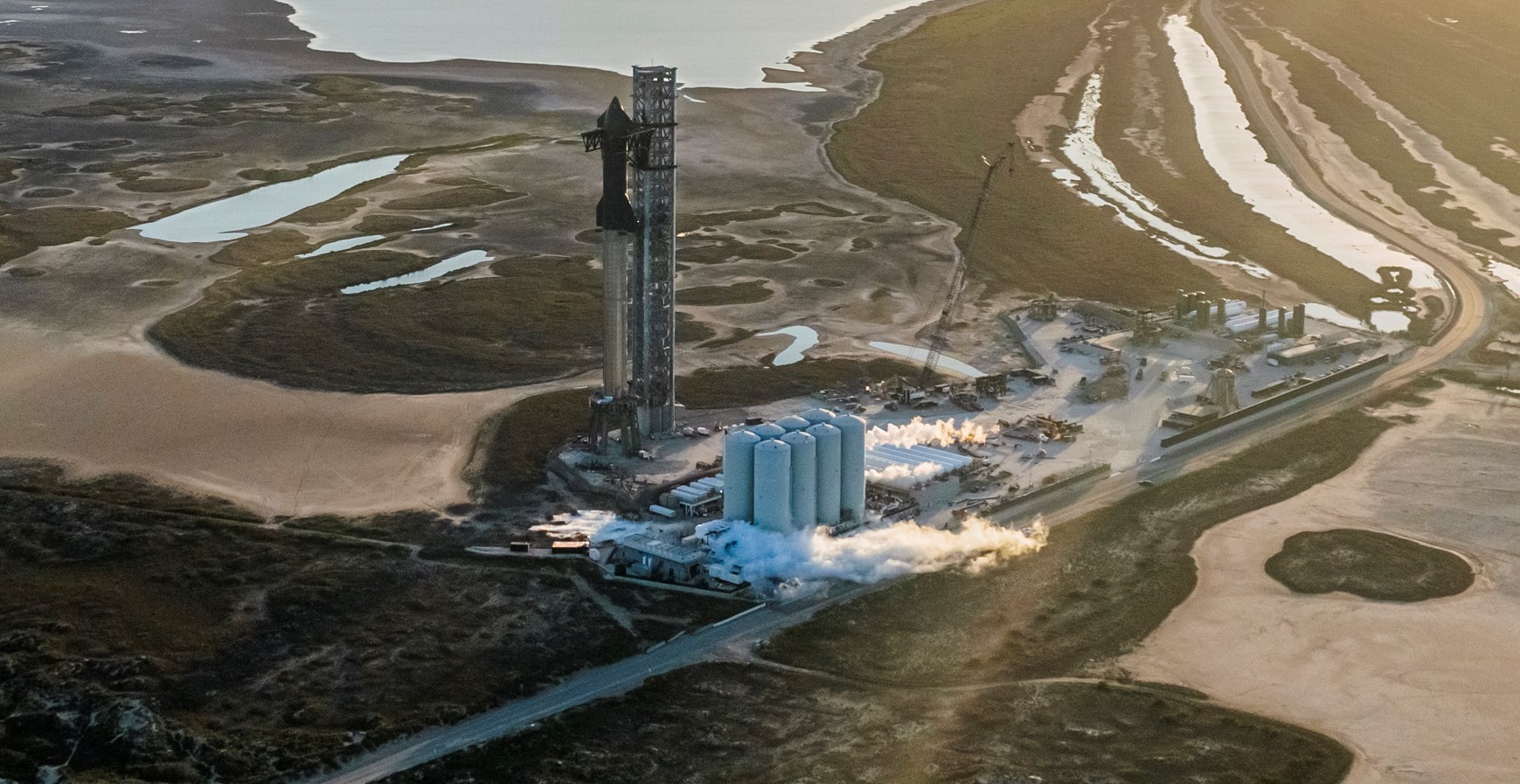
On April 22, 2026, the FAA published a final rule implementing per-launch user fees for commercial space transportation — the first time the U.S. government has charged payload-based fees for rocket launches. Starting at 25 cents per pound with a $30,000 cap, the fees are modest today. By 2033, they won't be.

Today's highlights include ABL Space shifting its focus to missile defense, Intuitive Machines advocating for Artemis infrastructure reforms, and more updates from space and defense sectors.

SpaceX achieves significant milestones with the launch of new Starlink satellites and the production of its 10 millionth Starlink kit amidst ongoing challenges with space station delays.

Today's brief covers the latest in satellite technology contracts, China's rocket launch ambitions, and new launch authorizations paving the way for space exploration advancements.

The final satellite in a multi-billion-dollar program that learned its hardest lesson from a clogged pipe. GOES-19 is now NOAA's eyes on every Atlantic hurricane - and it's already found dozens of comets no one was looking for.